What Are The Eligibility Criteria For Youtube Shorts Creator Payments Explained
YouTube Shorts has transformed how creators monetize short-form content, offering a direct revenue stream beyond traditional ad earnings. Since its monetization rollout in 2021, the program has evolved into a critical income source for thousands of creators globally, yet many remain unclear on how to qualify. Unlike the YouTube Partner Program, which relies on subscriber counts and watch hours, Shorts payments prioritize engagement metrics and algorithmic favorability, creating a unique eligibility landscape. With payouts now accessible in over 100 countries, understanding the technical and performance-based thresholds has become essential for those aiming to turn viral moments into sustainable income.
The path to earning from Shorts begins with meeting foundational criteria like channel age and country restrictions, but success hinges on mastering viewer retention, content originality, and adherence to YouTube’s evolving policies. Creators who navigate this system effectively can unlock earnings ranging from modest supplements to six-figure revenues, as demonstrated by top performers leveraging trending sounds and interactive hooks. However, missteps—such as copyright violations or misleading thumbnails—can disqualify even high-performing content, underscoring the need for a strategic approach. This guide breaks down the exact requirements, from eligibility checklists to algorithmic preferences, ensuring creators can optimize their Shorts for maximum payout potential.
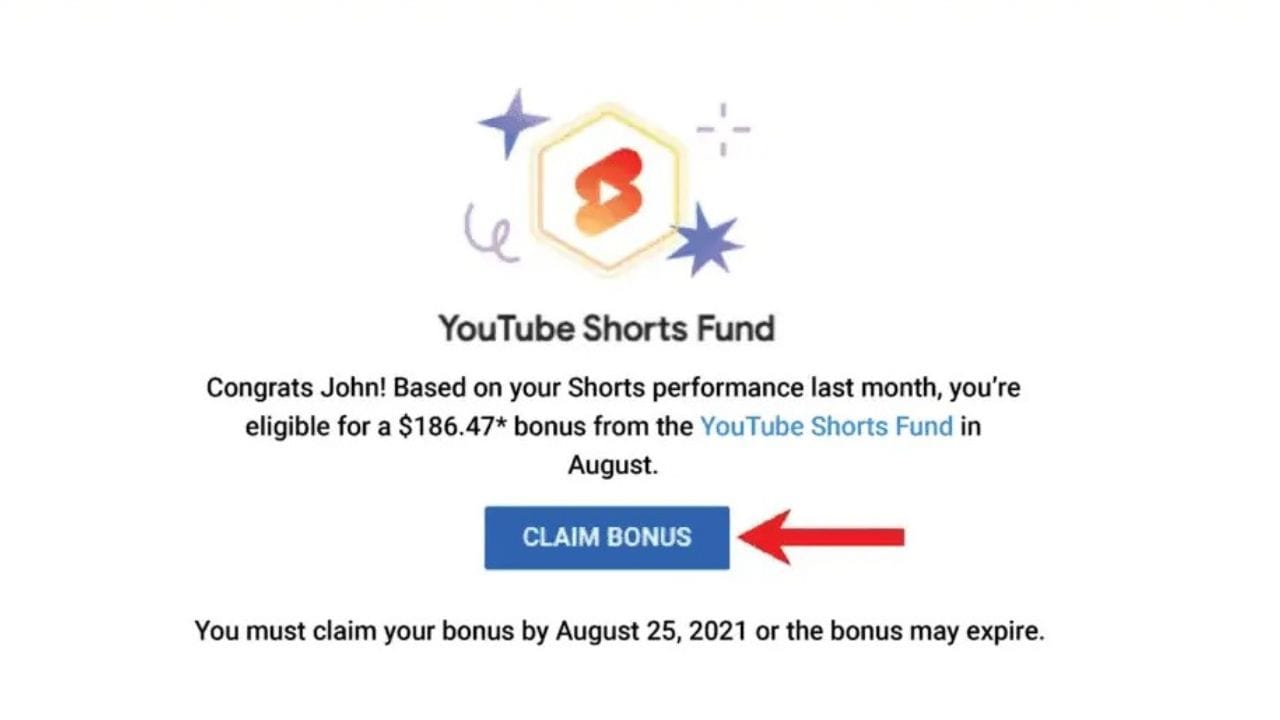
Understanding YouTube Shorts Creator Payments: An Overview
YouTube Shorts Creator Payments represent a pivotal shift in how the platform compensates creators for short-form content, aligning with the growing dominance of vertical video consumption. Unlike traditional monetization models that rely on long-form ad revenue, Shorts payments aim to reward creators for producing engaging, bite-sized videos that drive viewer retention and platform growth. This system not only incentivizes innovation in content creation but also democratizes monetization opportunities for creators who may not meet the stringent requirements of the YouTube Partner Program (YPP). Below is an exploration of its purpose, evolution, and distinguishing features compared to conventional monetization pathways.
Purpose and Significance of YouTube Shorts Creator Payments
 The introduction of YouTube Shorts Creator Payments addresses a critical gap in the platform’s monetization ecosystem by recognizing the value of short-form content in today’s digital landscape. YouTube’s algorithm prioritizes Shorts due to their high engagement rates—studies indicate that Shorts videos retain viewers for up to 30% longer than traditional YouTube content, with an average watch time of over 40 seconds per video. This shift reflects YouTube’s strategic response to competitors like TikTok and Instagram Reels, which have captured a significant portion of the short-video market.
For creators, the program offers a direct revenue stream tied to the performance of Shorts, irrespective of whether they qualify for the YPP. This is particularly beneficial for:
The introduction of YouTube Shorts Creator Payments addresses a critical gap in the platform’s monetization ecosystem by recognizing the value of short-form content in today’s digital landscape. YouTube’s algorithm prioritizes Shorts due to their high engagement rates—studies indicate that Shorts videos retain viewers for up to 30% longer than traditional YouTube content, with an average watch time of over 40 seconds per video. This shift reflects YouTube’s strategic response to competitors like TikTok and Instagram Reels, which have captured a significant portion of the short-video market.
For creators, the program offers a direct revenue stream tied to the performance of Shorts, irrespective of whether they qualify for the YPP. This is particularly beneficial for:
YouTube’s commitment to this program is evident in its $100 million fund allocated to creators in the first year of the pilot (2021–2022), later expanded to a global scale with no fixed cap on payouts. The program’s significance lies in its ability to reduce creator dependency on ad revenue alone, fostering a more sustainable income model for those who thrive in the short-video space.
Timeline of Key Updates and Milestones in YouTube Shorts Monetization
YouTube Shorts monetization has undergone rapid evolution since its 2020 launch, with policy adjustments aimed at refining eligibility, transparency, and creator rewards. Below is a chronological table summarizing critical updates, their impact on creators, and official announcements:
| Date | Update | Impact on Creators | YouTube’s Official Announcement |
|---|---|---|---|
| September 2020 | YouTube Shorts officially launched in the U.S. and India. | Creators gained access to a new content format but no monetization options existed. | YouTube Blog announced the launch as a response to TikTok’s global dominance. |
| March 2021 | Pilot program for Shorts Fund announced in the U.S., Canada, Mexico, and India. | Selected creators could earn money based on Shorts performance, but payouts were limited to the pilot phase. | YouTube Creators Blog detailed a $100 million fund for creators. |
| July 2021 | Expansion of Shorts Fund to 10 additional countries, including Brazil, Germany, and Japan. | Global creators gained access to monetization, though eligibility remained restrictive. | YouTube Announcement highlighted the fund’s growth to support diverse creators. |
| February 2022 | Shorts Fund renamed to "YouTube Shorts Partner Program" (YSPP) with broader eligibility criteria. | Creators no longer needed to be part of the pilot; payouts became more predictable based on watch time. | YouTube Creators outlined updated requirements and payout structures. |
| June 2022 | Introduction of "Shorts Payments" as a separate revenue stream, distinct from the YPP. | Creators could earn from Shorts independently of long-form ad revenue, simplifying monetization. | YouTube Official Post clarified the separation from YPP earnings. |
| November 2022 | Eligibility expanded to include channels with 1,000 subscribers and 10 million Shorts watch time in 90 days. | Lowered barriers for creators, enabling smaller channels to participate. | YouTube Creators Blog updated criteria to reflect broader inclusion. |
| March 2023 | Global rollout of Shorts payments with no regional restrictions, though payout thresholds varied by country. | Creators worldwide could access monetization, though some markets required higher watch time. | YouTube Announcement emphasized global equity in monetization. |
| September 2023 | Integration of Shorts analytics dashboard in YouTube Studio, providing detailed performance metrics. | Creators gained transparency into earnings, viewership, and engagement, improving content strategy. | YouTube Creators Update introduced the new tools. |
| February 2024 | Adjustment to payout structure: $1,000 minimum threshold removed, replaced with a 10 million Shorts watch time requirement in 90 days. | Simplified eligibility while maintaining performance-based rewards. | YouTube Official Statement clarified the shift. |
This timeline underscores YouTube’s iterative approach to refining Shorts monetization, balancing creator accessibility with sustainable revenue generation for the platform.
Table of Contents
- Understanding YouTube Shorts Creator Payments: An Overview
- Purpose and Significance of YouTube Shorts Creator Payments
- Timeline of Key Updates and Milestones in YouTube Shorts Monetization
- Differences Between YouTube Shorts Creator Payments and Traditional YPP Earnings
- Step-by-Step Eligibility Criteria for YouTube Shorts Creator Payments
- Minimum Requirements for YouTube Shorts Payments
- Flowchart: Eligibility Approval Process for YouTube Shorts Payments
- Technical Specifications for Eligible Shorts
- Key Metrics and Performance Benchmarks for YouTube Shorts Creator Payments
- Viewer Engagement Metrics Influencing Shorts Payments
- Average View Duration and Retention Rates
- Watch Time Contribution Across Shorts
- Click-Through Rate (CTR) from Shorts to Longer Content
- Breakdown of Payment Thresholds and Payout Structures
- Minimum Earnings Requirement
- Payout Frequency and Processing Times
- Supported Currencies and Payment Methods
- Real-World Examples of High-Earning Shorts Creators
- Case Study 1: MrBeast (Jimmy Donaldson)
- Case Study 2: Khaby Lame
Differences Between YouTube Shorts Creator Payments and Traditional YPP Earnings
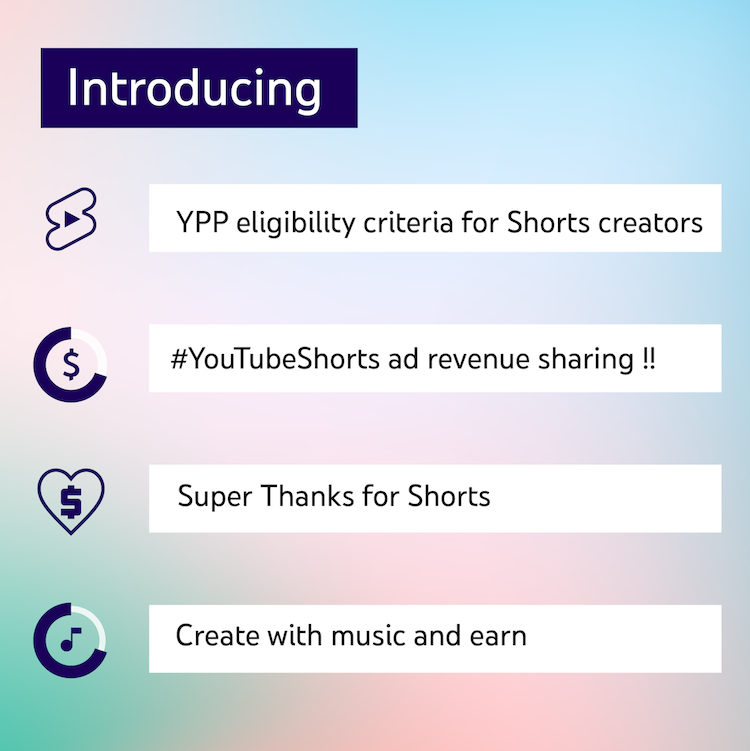 YouTube Shorts Creator Payments operate on a distinct monetization model compared to the traditional YouTube Partner Program (YPP), which relies on ad revenue from long-form content. Below are the key differences in revenue-sharing models, payment thresholds, and payout structures:
| Feature | YouTube Shorts Creator Payments | YouTube Partner Program (YPP) | |||||||||||||||||
|---|---|---|---|---|---|---|---|---|---|---|---|---|---|---|---|---|---|---|---|
| Primary Revenue Source | Performance-based payments from YouTube’s revenue share pool (e.g., ads, premium subscriptions, YouTube Music). | Ad revenue generated from long-form videos (display ads, overlay ads, mid-roll ads). | |||||||||||||||||
| Eligibility Requirements |
Flowchart: Eligibility Approval Process for YouTube Shorts PaymentsThe path to receiving YouTube Shorts payments follows a linear approval process, beginning with YPP enrollment and culminating in payment distribution. Below is a textual flowchart outlining each step, from application to payout: START │ ├── Step 1: Meet YPP Prerequisites │ ├── Channel must be 30+ days old │ ├── 1,000 subscribers and 4,000 watch hours (or 10M Shorts views) │ └── Located in an eligible country │ ├── Step 2: Apply to YouTube Partner Program │ ├── Submit application via YouTube Studio │ ├── Await review (typically 1–30 days) │ └── Receive approval notification │ ├── Step 3: Enable Monetization for Shorts │ ├── Navigate to "Shorts Fund" in YouTube Studio │ ├── Opt into the program (if available in your region) │ └── Ensure all Shorts comply with technical specifications │ ├── Step 4: Publish Eligible Shorts │ ├── Upload Shorts meeting length, resolution, and copyright guidelines │ ├── Optimize for discoverability (captions, hashtags, thumbnails) │ └── Monitor performance in YouTube Analytics │ ├── Step 5: Achieve Payment Threshold │ ├── Accumulate 100,000 views on Shorts in the last 90 days │ └── Views must come from watchable Shorts (not skips or muted plays) │ ├── Step 6: Receive Payment │ ├── Payments distributed monthly (via AdSense or direct deposit) │ ├── Payouts based on average revenue per 1,000 views (RPM) │ └── Minimum payout threshold applies ($100 or equivalent in local currency) │ END Key Notes on the Flowchart:Technical Specifications for Eligible ShortsYouTube imposes specific technical requirements to ensure Shorts are optimized for the platform’s algorithm and viewer experience. Adhering to these specifications improves eligibility for payments and enhances discoverability. Below are the critical technical criteria: Video Length and FormatKey Metrics and Performance Benchmarks for YouTube Shorts Creator PaymentsYouTube Shorts monetization relies on a complex algorithm that evaluates multiple performance indicators to determine eligibility and payouts. Unlike traditional long-form content, Shorts prioritize rapid viewer engagement, retention, and conversion metrics to assess content quality and monetization potential. Creators must optimize for these benchmarks to maximize earnings, as even high-view-count Shorts may yield minimal revenue if engagement metrics fall short. Understanding these criteria allows creators to refine strategies, avoid disqualification, and align content with YouTube’s evolving monetization standards.Viewer Engagement Metrics Influencing Shorts PaymentsYouTube’s payment system for Shorts is heavily weighted toward real-time viewer interaction, ensuring content resonates with audiences beyond superficial clicks. The platform employs three primary engagement metrics to evaluate monetization potential:Average View Duration and Retention RatesView duration is the most critical factor, as it signals whether Shorts hold attention effectively. YouTube’s algorithm considers 50% average view duration as the baseline for monetization eligibility, but higher retention (e.g., 70%+) significantly boosts payment potential. For example, a 15-second Short with a 90% retention rate may earn more than a 60-second Short with only 30% retention, as the latter fails to sustain interest.Algorithm Priority: Shorts with retention rates above 50% are prioritized for monetization, while those below 30% risk disqualification regardless of view count.Creators can improve retention by: Watch Time Contribution Across ShortsWatch time accumulates across all Shorts uploaded by a creator, not per individual video. YouTube aggregates total minutes watched in a given period (typically 30–90 days) to assess eligibility. A creator with 10,000 views but only 500 total watch minutes may struggle to meet thresholds, whereas another with 5,000 views and 1,500 watch minutes could qualify faster.Watch Time Formula for Eligibility: Total Watch Time (minutes) = (Average View Duration per Short × Number of Views) / 60To maximize watch time: Click-Through Rate (CTR) from Shorts to Longer ContentYouTube incentivizes Shorts that drive traffic to longer videos, playlists, or external links (e.g., affiliate sites, merchandise pages). The CTR from Shorts to long-form content is tracked via:Breakdown of Payment Thresholds and Payout StructuresYouTube’s Shorts monetization system operates on tiered thresholds, combining earnings, watch time, and channel policies. Unlike the now-defunct Shorts Fund (which paid per view), the current system rewards sustained engagement and revenue potential.Minimum Earnings RequirementCreators must accumulate at least $100 (or equivalent in local currency) in a 12-month period to receive payouts. This threshold applies globally, though some regions may have additional tax or platform-specific deductions. For example:Important Note: Earnings are calculated after YouTube’s 45% revenue share deduction (similar to long-form AdSense payouts). Payout Frequency and Processing TimesYouTube processes Shorts payments monthly, with payouts issued around the 21st of each month for earnings accumulated in the previous month. Processing times vary by region:Supported Currencies and Payment MethodsYouTube supports payouts in over 100 currencies, but creators must select a primary currency during setup. Common payment methods include:
Pro Tip: Creators in regions with unstable currencies (e.g., Argentina, Nigeria) may experience delays due to conversion limits. Real-World Examples of High-Earning Shorts CreatorsTop-performing Shorts creators combine trending content, strategic hooks, and audience interaction to maximize earnings. Below are case studies of channels that monetized Shorts effectively, along with their revenue strategies.Case Study 1: MrBeast (Jimmy Donaldson)Content Strategy:Case Study 2: Khaby LameContent Strategy:Qualifying for YouTube Shorts Creator Payments is not merely about meeting subscriber targets or posting frequently—it demands a blend of technical compliance, algorithmic alignment, and audience engagement. From ensuring your channel adheres to 30-day activity thresholds to crafting Shorts with 9:16 aspect ratios and trending audio, every detail influences eligibility. The key lies in balancing YouTube’s monetization policies with creative innovation, whether through storytelling hooks or collaborative trends. As the platform continues refining its payout structure, creators who stay informed on updates—such as evolving watch-time benchmarks or regional eligibility—will position themselves to capitalize on this lucrative opportunity. With the right strategy, Shorts can evolve from a content experiment into a steady revenue stream, bridging the gap between viral reach and financial reward. |
Leave a Comment
Comments are moderated before appearing. The data you submit is processed according to the Privacy Policy of Findatopdoc.