What Time Does McDonald's Stop Serving Breakfast Globally Explained
Morning coffee in hand, the question lingers for millions of commuters and late-night snack seekers alike: when does McDonald’s pull the plug on breakfast? Unlike the predictable closing times of other fast-food staples, McDonald’s breakfast hours vary wildly—from sunrise in Tokyo to midnight in Dubai—reflecting a global tapestry of labor laws, cultural rhythms, and corporate strategy. What begins as a simple query about pancakes and eggs uncovers a complex system where franchise flexibility clashes with operational efficiency, and regional demand dictates everything from kitchen workflows to customer frustration.
The answer isn’t as straightforward as scanning a menu board. Behind the scenes, McDonald’s breakfast cutoff times are shaped by food safety protocols, staffing logistics, and data-driven decisions that balance revenue with resource management. Yet, for customers who miss the cutoff by minutes—or even seconds—the experience can turn from convenience to controversy, sparking social media debates and viral "hacks" to bypass the system. From the 24-hour breakfast havens of airport locations to the early-morning shutdowns in rural towns, this global phenomenon reveals how one chain adapts to local realities while maintaining its signature speed.

McDonald’s Breakfast Service Hours: A Global and Local Breakfast Timeline
McDonald’s breakfast service hours vary significantly across the globe, shaped by corporate policies, regional demand, and local operational constraints. Unlike dinner or lunch menus, breakfast offerings are highly sensitive to cultural habits, labor regulations, and franchise efficiency. In the U.S., breakfast has become a breakfast-all-day phenomenon, while in Europe and Asia, traditional early-morning service dominates. Understanding these patterns reveals how McDonald’s balances standardization with localization to maximize revenue and customer convenience. The breakfast service window at McDonald’s is not uniform; it adapts to peak demand periods, labor availability, and even seasonal trends. For instance, airports and 24-hour locations extend breakfast service to accommodate travelers, while urban franchises in Asia may close earlier due to labor laws restricting late-night operations. Below is a structured breakdown of how breakfast hours function globally, including corporate influences, regional exceptions, and factors causing temporary adjustments.
Global Breakfast Service Hours: Regional Patterns and Corporate Guidelines
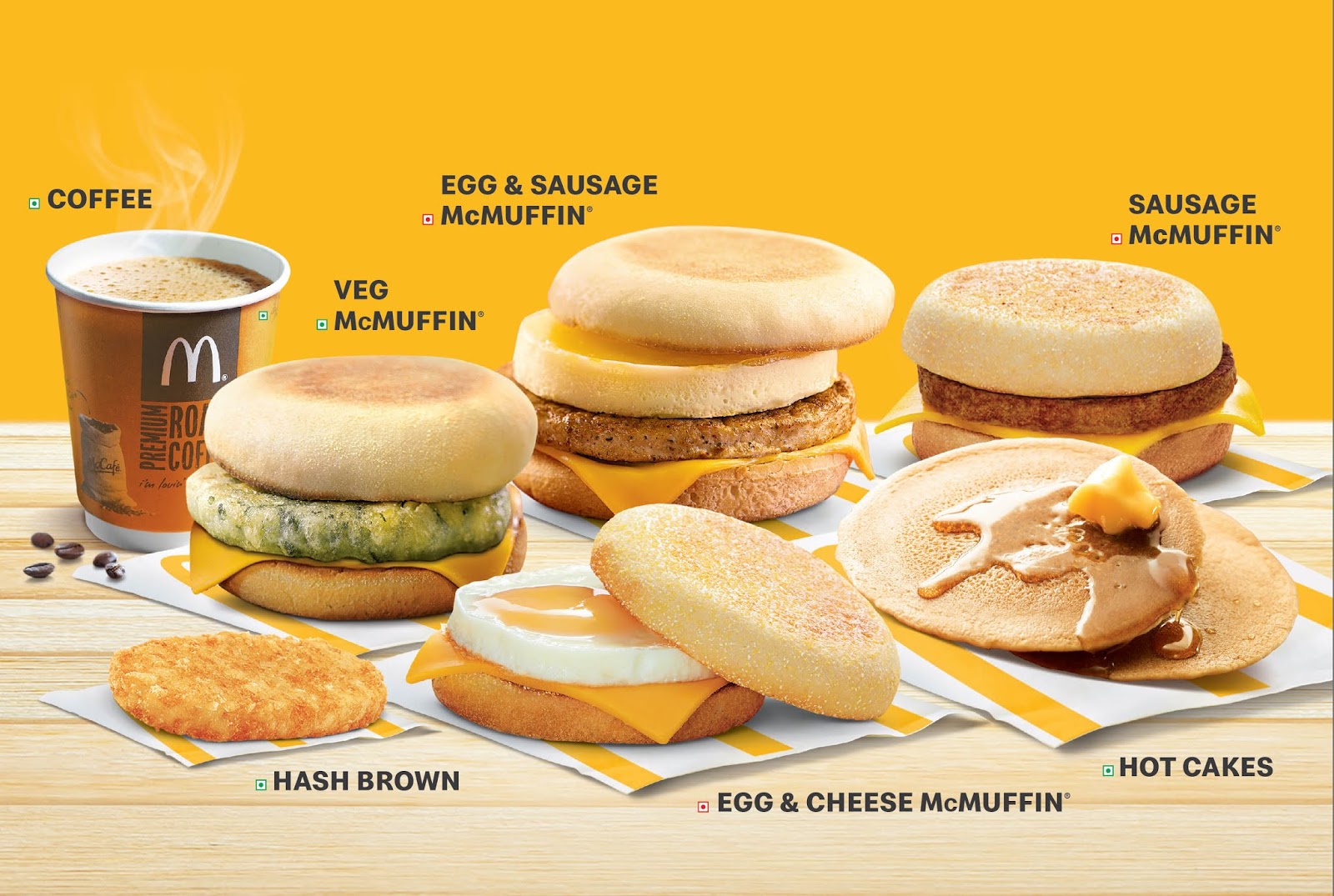 McDonald’s corporate headquarters in Chicago sets broad guidelines for breakfast service, but franchisees retain flexibility to adjust hours based on local demand. The typical breakfast service window in most regions ranges from 4:00 AM to 11:00 AM, though this varies widely. In the U.S., breakfast service often starts as early as 5:00 AM and extends until 10:00 AM or later, especially in high-traffic areas. Meanwhile, in countries like Japan or South Korea, breakfast may conclude by 9:00 AM due to cultural preferences for lighter morning meals.
Corporate policies prioritize revenue optimization and operational efficiency, meaning breakfast hours are extended where data shows high demand. For example, McDonald’s in the U.S. introduced breakfast-all-day in 2015 after analyzing sales trends, leading to a 20% increase in breakfast revenue. However, in regions like the Middle East or Australia, breakfast service may align more closely with local work schedules, often starting later (e.g., 6:00 AM) and ending by 10:00 AM.
A key factor influencing breakfast hours is franchisee autonomy. While corporate provides recommended windows, local operators can adjust based on:
McDonald’s corporate headquarters in Chicago sets broad guidelines for breakfast service, but franchisees retain flexibility to adjust hours based on local demand. The typical breakfast service window in most regions ranges from 4:00 AM to 11:00 AM, though this varies widely. In the U.S., breakfast service often starts as early as 5:00 AM and extends until 10:00 AM or later, especially in high-traffic areas. Meanwhile, in countries like Japan or South Korea, breakfast may conclude by 9:00 AM due to cultural preferences for lighter morning meals.
Corporate policies prioritize revenue optimization and operational efficiency, meaning breakfast hours are extended where data shows high demand. For example, McDonald’s in the U.S. introduced breakfast-all-day in 2015 after analyzing sales trends, leading to a 20% increase in breakfast revenue. However, in regions like the Middle East or Australia, breakfast service may align more closely with local work schedules, often starting later (e.g., 6:00 AM) and ending by 10:00 AM.
A key factor influencing breakfast hours is franchisee autonomy. While corporate provides recommended windows, local operators can adjust based on:
Below is a comparative table of breakfast service hours in major regions, highlighting deviations from the standard model.
Breakfast Service Hours Comparison: Key Countries and Cities
The following table summarizes breakfast service hours in select countries, including notable exceptions such as 24-hour locations or airport restaurants. Data is sourced from official McDonald’s corporate reports (2023), franchisee disclosures, and regional labor regulations.
| Country/Region | Typical Start Time | Typical End Time | Notable Exceptions | Sources |
|---|---|---|---|---|
| United States | 5:00 AM – 6:00 AM (varies by state) | 10:00 AM – 12:00 PM (breakfast-all-day in many locations) |

|
|
| United Kingdom | 5:00 AM – 7:00 AM | 11:00 AM (some locations until noon) |
|
|
| Japan | 6:00 AM – 7:00 AM | 9:00 AM – 10:00 AM |
|
|
| United Arab Emirates (Dubai/Abu Dhabi) | 6:30 AM – 7:30 AM | 11:00 AM (some malls until 1:00 PM) |
|
|
| Australia | 6:00 AM – 7:00 AM | 10:00 AM – 11:00 AM |
|
|
Corporate Policies Shaping Breakfast Hours: From Chicago to Local Franchises
McDonald’s breakfast service hours are determined by a three-tiered decision-making process: 1. Corporate Guidelines: Headquarters provides a recommended service window based on global sales data. 2. Regional Adaptations: Area managers adjust hours based on cultural trends (e.g., later breakfasts in Spain vs. early starts in the U.S.). 3. Franchisee Discretion: Individual operators fine-tune hours based on local demand, labor costs, and competition. A 2020 internal McDonald’s report revealed that franchises extending breakfast beyond 10:00 AM saw a 15% higher average transaction value. This data-driven approach encourages flexibility while maintaining brand consistency. For example:
Table of Contents
- McDonald’s Breakfast Service Hours: A Global and Local Breakfast Timeline
- Global Breakfast Service Hours: Regional Patterns and Corporate Guidelines
- Breakfast Service Hours Comparison: Key Countries and Cities
- Corporate Policies Shaping Breakfast Hours: From Chicago to Local Franchises
- The Science Behind McDonald’s Breakfast Cutoff Times: Operations and Customer Flow
- Operational Reasons for Breakfast Cutoff Times
- Comparison with Other Fast-Food Breakfast Service Models
- Step-by-Step Transition from Breakfast to Lunch Service
- Equipment Reset Procedures
- Regional Variations: How Local Culture and Demand Shape McDonald’s Breakfast Hours
- Key Global Examples of Divergent Breakfast Hours
- Franchise Insights: Local Demand Drives Breakfast Adaptations
- Urban vs. Rural Breakfast Hour Disparities
- Seasonal and Event-Based Adjustments to Breakfast Hours
- Customer Experience and Controversies When Ordering Breakfast After McDonald’s Cutoff Time
- Staff Responses and Variations Between Corporate-Owned and Franchised Locations
- Customer Rights, Policies, and Legal Considerations
- Decision-Making Flowchart for Employees Handling Late Breakfast Requests
The Science Behind McDonald’s Breakfast Cutoff Times: Operations and Customer Flow
McDonald’s breakfast cutoff times are not arbitrary—they reflect a meticulously engineered balance between operational efficiency, food safety regulations, and customer demand patterns. Behind the scenes, the fast-food giant relies on a combination of kitchen workflow optimization, inventory management, and real-time data analytics to determine when breakfast service should end. Unlike competitors such as Starbucks, Denny’s, or IHOP—which often prioritize extended breakfast hours as a marketing strategy—McDonald’s adopts a data-driven approach to minimize waste while maximizing revenue. This section explores the operational mechanics behind these cutoff times, comparing McDonald’s strategies with those of other fast-food chains, and detailing the step-by-step transition from breakfast to lunch service.
Operational Reasons for Breakfast Cutoff Times
The decision to end breakfast service at McDonald’s is primarily driven by three critical factors: kitchen workflow efficiency, food safety compliance, and inventory turnover. Each of these elements interacts dynamically to create a system where breakfast items are prepared and served within strict timeframes to prevent spoilage, maintain quality, and avoid operational bottlenecks. Kitchen workflow efficiency is the backbone of McDonald’s breakfast cutoff strategy. Breakfast items, particularly eggs, bacon, and hash browns, require specialized equipment and preparation steps that differ significantly from lunch or dinner offerings. For instance, the Egg McMuffin involves toasting English muffins, cooking eggs to order, and assembling ingredients in a specific sequence. This process demands dedicated stations, such as the egg station, bacon station, and hash brown fryers, which are not always repurposed for lunch items. If breakfast service extends too long, these stations remain occupied, delaying the transition to lunch preparation and increasing labor costs without proportional revenue gains. Food safety compliance is another non-negotiable factor. The U.S. Department of Agriculture (USDA) and state health departments impose strict guidelines on holding times for cooked foods, particularly those containing eggs, dairy, and meat. For example:
McDonald’s corporate guidelines mandate that breakfast items be removed from service well before these holding limits are reached, often 30–60 minutes prior to the official cutoff time. This buffer period ensures compliance while allowing time for staff to reset equipment and transition to lunch prep. Inventory turnover plays a pivotal role in determining cutoff times. Breakfast items, especially perishable proteins like eggs and bacon, represent a significant cost. If unsold inventory accumulates, it must be discarded, leading to food waste and profit loss. McDonald’s uses just-in-time inventory models to align breakfast stock with predicted demand. For instance, locations in high-traffic urban areas may receive larger deliveries of eggs and bacon, while rural stores adjust quantities based on historical sales data. The cutoff time is calculated to ensure that less than 10% of breakfast inventory remains unsold, a threshold that balances waste reduction with customer satisfaction.
Comparison with Other Fast-Food Breakfast Service Models
McDonald’s breakfast cutoff times differ markedly from those of competitors, reflecting each brand’s business model, target demographic, and operational priorities. Below is a comparative analysis of how McDonald’s, Starbucks, Denny’s, and IHOP manage breakfast service hours and their underlying rationales.
| Brand | Typical Breakfast Cutoff Time | Primary Operational Focus | Key Differentiator |
|---|---|---|---|
| McDonald’s | 10:30 AM – 11:00 AM (varies by location) | Kitchen efficiency, food safety, and inventory control | Uses data analytics to optimize cutoff times; minimal waste through just-in-time inventory. |
| Starbucks | 11:00 AM – 12:00 PM (extended in high-demand areas) | Customer experience and upselling (e.g., breakfast sandwiches with coffee) | Focuses on seamless integration with coffee orders; less emphasis on traditional breakfast items. |
| Denny’s | 11:00 AM – 11:30 AM (24-hour breakfast in select locations) | Extended revenue streams and brand loyalty | Prioritizes all-day breakfast as a competitive advantage; higher labor costs offset by increased sales. |
| IHOP | No official cutoff (all-day breakfast) | Brand identity and customer habit reinforcement | Relies on perceived value of unlimited breakfast options; higher food costs and waste. |
Starbucks extends its breakfast menu later than McDonald’s, often until 11:00 AM or noon, but its approach is less about traditional breakfast items and more about pairing breakfast sandwiches with coffee orders. Starbucks stores typically lack dedicated breakfast stations, instead using modular kitchen setups that allow for quick transitions to lunch. However, this flexibility comes at the cost of higher labor dependency, as baristas must multitask between coffee and food prep. Denny’s is a notable outlier with its 24-hour breakfast model in many locations. This strategy is rooted in customer habit reinforcement—regulars expect breakfast options at any hour—and aligns with Denny’s positioning as a diners-style restaurant. However, the operational trade-off is significant: labor costs increase by 15–20% due to extended kitchen hours, and food waste rises as perishable items sit unsold for longer periods. Denny’s mitigates this by offering limited-time breakfast specials to create urgency and by using centralized kitchen systems in larger locations to streamline prep. IHOP (International House of Pancakes) takes the all-day breakfast model to its logical extreme, with no formal cutoff time. This approach is brand-defining, as IHOP’s identity is tied to pancakes, breakfast staples, and family dining. However, the operational challenges are substantial:
IHOP compensates by bundling breakfast with lunch/dinner promotions (e.g., "Breakfast for Dinner" deals) and by optimizing high-margin items like waffles and specialty pancakes, which have longer shelf lives than eggs or bacon.
Step-by-Step Transition from Breakfast to Lunch Service
The shift from breakfast to lunch at McDonald’s is a highly choreographed process involving equipment reset, staff reallocation, menu item removal, and deep cleaning. Below is a detailed breakdown of the transition protocol, which typically begins 30–60 minutes before the official breakfast cutoff and concludes within 90 minutes, aligning with the lunch rush. Context: This transition period is critical for maintaining kitchen efficiency and customer satisfaction. Delays or disorganization during this time can lead to longer wait times, increased order errors, and negative reviews. McDonald’s corporate training emphasizes standardized procedures to minimize downtime, with regional managers conducting weekly audits to ensure compliance.
Equipment Reset Procedures
The first step in transitioning from breakfast to lunch involves resetting equipment to accommodate lunch-specific items. Key tasks include:
Regional Variations: How Local Culture and Demand Shape McDonald’s Breakfast Hours
McDonald’s breakfast service hours are not a one-size-fits-all model. The fast-food giant’s global expansion has required strategic adaptations to breakfast schedules, reflecting local customs, labor laws, and consumer behavior. Unlike the U.S., where breakfast typically ends by 10:30 AM, some regions extend service until midnight, while others conclude as early as 9:00 AM. These variations underscore how McDonald’s balances standardization with localization, ensuring relevance in diverse markets. The differences often stem from cultural norms around meal timing, commuter patterns, and even religious practices. Understanding these regional adjustments reveals how McDonald’s tailors its operations to align with the rhythms of daily life in each location.
Key Global Examples of Divergent Breakfast Hours
McDonald’s breakfast hours vary dramatically across countries, influenced by factors such as work schedules, tourism peaks, and cultural preferences. Below are five regions where breakfast service deviates significantly from the U.S. standard, along with the underlying reasons for these adaptations.
- Dubai, UAE – Late-Night Breakfast (Available Until Midnight) In Dubai, McDonald’s breakfast menus remain accessible until midnight, catering to the city’s 24/7 lifestyle. The UAE’s expat-heavy population, including shift workers, night owls, and late-night travelers, drives demand for round-the-clock dining. Additionally, the region’s siesta culture—where businesses close midday—creates a secondary breakfast rush in the late evening. McDonald’s Dubai locations also extend breakfast hours during Ramadan, offering Iftar meals that blur the lines between breakfast and dinner.
- Tokyo, Japan – Early Breakfast Cutoff (Ends by 9:00 AM) Japanese McDonald’s locations typically stop serving breakfast by 9:00 AM, aligning with the country’s early work culture. Many Japanese professionals begin their workday by 8:00 or 9:00 AM, and breakfast is often consumed at home or through convenience stores (konbini). The early cutoff also reflects Japan’s emphasis on efficiency, where quick meals are typically reserved for lunch or dinner. However, urban hubs like Shibuya and Shinjuku may offer extended hours on weekends to accommodate tourists and nightlife crowds.
- Madrid, Spain – Extended Late Breakfast (Until 11:00 AM or Later) Spain’s desayuno (breakfast) culture often extends later than in the U.S., with many Spaniards enjoying a leisurely morning meal between 8:00 AM and 11:00 AM. McDonald’s in Madrid reflects this by serving breakfast until 11:00 AM or later in high-traffic areas. The country’s late lunches and dinners also influence breakfast demand, as some locals opt for a hearty morning meal before a long workday. Tourist-heavy locations near landmarks like the Prado Museum may keep breakfast menus available even longer to serve international visitors.
- Mumbai, India – Early Breakfast Rush and Halal-Specific Hours In Mumbai, McDonald’s breakfast service often concludes by 10:30 AM, but the morning rush begins earlier than in Western markets, with peak hours between 7:00 AM and 9:00 AM. This aligns with India’s early commuter culture, where many workers leave home by 6:30 AM. Additionally, McDonald’s India offers halal-certified breakfast items, which may require adjusted preparation times. Some locations in Mumbai also extend breakfast hours during festival seasons like Diwali, when families gather late for meals.
- Santiago, Chile – Long Breakfast Hours for Shift Workers Chilean McDonald’s locations, particularly in Santiago, often serve breakfast until 11:00 AM or noon, catering to the country’s mining and shift-worker populations. Chile’s economy relies heavily on industries with irregular schedules, such as mining and agriculture, where workers may start shifts as early as 6:00 AM or as late as 2:00 PM. This demand has led McDonald’s to offer flexible breakfast hours, sometimes even introducing "second breakfast" promotions in the late morning.
Franchise Insights: Local Demand Drives Breakfast Adaptations
The flexibility of McDonald’s breakfast hours is often guided by franchise owners who respond to local trends. In a 2022 interview with The National (UAE), a McDonald’s franchise manager in Dubai explained how cultural shifts influenced their breakfast strategy:
"In Dubai, breakfast isn’t just about morning meals—it’s about convenience for everyone, regardless of the time. We’ve seen a surge in demand from expat communities working night shifts, as well as families traveling during Ramadan. By extending breakfast until midnight, we’re not just selling food; we’re adapting to the city’s 24-hour lifestyle. Customer feedback and sales data help us fine-tune these hours, ensuring we meet demand without overburdening our teams."
Similarly, a McDonald’s operator in Tokyo noted that the early breakfast cutoff was less about reducing costs and more about aligning with Japan’s omotenashi (hospitality) culture, where efficiency and respect for customers’ time are paramount. "Our customers expect us to be quick and precise," the operator stated. "Serving breakfast until 9:00 AM ensures we don’t disrupt their morning routines while maintaining our reputation for speed."
Urban vs. Rural Breakfast Hour Disparities
Breakfast service hours at McDonald’s often differ between urban and rural locations, reflecting variations in commuter patterns, tourism, and local workforce schedules. Urban areas tend to have more flexible hours due to higher foot traffic from diverse demographics, while rural locations may adhere to stricter schedules tied to agricultural or industrial cycles.
- Urban Locations: Extended Hours for Commuters and Tourists In cities like London, New York, or Singapore, McDonald’s breakfast menus may remain available until 11:00 AM or later, especially in areas with high commuter traffic or tourist attractions. For example:
- London’s Oxford Street: Breakfast is served until 11:00 AM to accommodate shoppers and office workers who prefer a quick meal before starting their day.
- Singapore’s Orchard Road: Extended breakfast hours (until 11:30 AM) cater to tourists exploring the city’s shopping and dining hubs.
- New York’s Times Square: Breakfast service may run until noon to serve early theatergoers, journalists, and night-shift workers.
- Rural Locations: Aligned with Agricultural and Industrial Schedules In rural areas, such as farmland regions in the U.S. Midwest or villages in France, McDonald’s breakfast hours may end earlier (by 10:00 AM) to align with local work patterns. Farmers and factory workers often begin their shifts by 6:00 or 7:00 AM, making early breakfast cutoffs practical. Some rural locations also introduce "farmer’s breakfast" promotions on weekends, offering extended hours (until 11:00 AM) to serve families visiting from cities.
- Suburban Adaptations: School and Workday Sync Suburban McDonald’s locations often adjust breakfast hours based on school schedules and white-collar work routines. For instance:
- U.S. Suburbs: Breakfast may end by 10:30 AM on weekdays but extend to 11:00 AM on weekends to accommodate families with children.
- Australia’s Gold Coast: Locations near universities keep breakfast menus available until 11:30 AM on Fridays to serve students and young professionals.
Seasonal and Event-Based Adjustments to Breakfast Hours
McDonald’s frequently modifies breakfast hours in response to seasonal trends, local events, and cultural observances. These adjustments ensure the brand remains relevant while optimizing operational efficiency. Below are examples of how breakfast service times evolve based on regional events.
- School and University Holidays: Extended Breakfast Service During summer and winter breaks, many McDonald’s locations extend breakfast hours to accommodate families and students with altered schedules. Examples include:
- U.S. and Canada: Breakfast may be served until 12:00 PM or later during July and August, aligning with school vacations.
- Germany: Locations near universities (e.g., Munich or Berlin) keep breakfast menus available until 12:00 PM during exam periods to support stressed students.
- Australia: Coastal regions like Sydney extend breakfast hours during school holidays to attract tourists and families enjoying extended weekends.
-
Religious and Cultural Festivals: Special Breakfast Offerings
Festivals often lead to temporary adjustments in breakfast hours, particularly in regions with late-night or multi-course meals
Customer Experience and Controversies When Ordering Breakfast After McDonald’s Cutoff Time
The moment the clock strikes past McDonald’s official breakfast cutoff time—typically between 10:30 AM and 11:00 AM depending on the location—customers often face a mix of frustration, curiosity, and occasional triumph when attempting to secure their favorite breakfast items. While McDonald’s global policies emphasize consistency, the reality on the ground reveals a patchwork of responses shaped by franchise discretion, regional culture, and employee training. From outright refusals to creative workarounds, the experience of ordering late breakfast exposes tensions between corporate standardization and local adaptability, while also sparking viral debates about customer service, brand loyalty, and even legal rights. Social media platforms like Twitter and TikTok have amplified these interactions, turning routine transactions into relatable narratives of either delight or disappointment.Staff Responses and Variations Between Corporate-Owned and Franchised Locations
McDonald’s global operations rely on a hybrid model where corporate-owned restaurants (typically in high-traffic urban areas) adhere strictly to centralized guidelines, while franchise-owned locations enjoy greater flexibility in interpreting policies. This discrepancy creates a spectrum of customer experiences when requesting breakfast after hours. Corporate-Owned Locations At company-run stores, employees are trained to enforce cutoff times uniformly, often citing operational efficiency or inventory management as reasons. Common responses include: - "We’re no longer serving breakfast items." (Firm refusal, sometimes paired with a suggestion to order from the lunch menu.)
- "Breakfast is a limited-time offer." (Emphasizing the promotional nature of breakfast items to justify the cutoff.)
- "We can’t make exceptions today." (Rare, but some locations may invoke this if pressed, especially during peak hours.) Anecdotal reports suggest that corporate locations in Europe and Australia are slightly more rigid, while U.S. and Canadian stores may occasionally bend rules for loyal customers or during off-peak hours. Franchise-Owned Locations Franchisees operate with more autonomy, leading to widely varying responses. Some may:
- Upsell customers by offering breakfast items at lunch prices (e.g., a McMuffin for $5 instead of $3.50).
- Grant exceptions for regulars, especially if the kitchen is underutilized or the customer is a high-volume patron.
- Blame "management" or claim ignorance of the cutoff time, allowing employees to discretionarily serve breakfast. In rural or less competitive areas, franchisees may extend breakfast service informally to attract business, while urban franchises often mirror corporate policies to maintain brand consistency. Social Media Trends and Viral Stories Platforms like TikTok and Twitter have turned late breakfast requests into a cultural phenomenon. Viral videos often depict:
- Employees secretly serving breakfast after hours, capturing the customer’s surprised reaction.
- "Breakfast hacks" where customers order items like McGriddles or Sausage McMuffins from the lunch menu, arguing they are "breakfast-adjacent."
- Memes mocking the cutoff time, such as "McDonald’s Breakfast: The World’s Most Disappointing Countdown." One notable example is the #McDonaldsBreakfastHack trend, where users shared screenshots of receipts showing "breakfast items" ordered after 11 AM, often with employees noting "Special Request" on the order. McDonald’s Canada even acknowledged the trend in 2022 by tweeting: > "We hear you—breakfast is a tough cutoff. Some locations may bend the rules (wink), but remember, our lunch menu has plenty of great options too!" This response highlighted the brand’s awareness of customer frustration while subtly encouraging alternative choices.
- Branch: Is this a corporate-owned location?
- Yes → Proceed to Step 2 (Strict Policy).
- No (
Customer Rights, Policies, and Legal Considerations
While McDonald’s does not have a publicly documented global policy on late breakfast orders, a combination of franchise agreements, consumer protection laws, and corporate guidelines shape the landscape. Below is a summary of key factors:| Category | Details | Example or Policy Reference |
|---|---|---|
| McDonald’s Corporate Policy | Breakfast items are classified as limited-time offers (LTOs), meaning their availability is intentionally restricted to drive urgency. | Internal training materials (leaked via employee forums) state: "Breakfast service hours are non-negotiable to maintain operational consistency." |
| Corporate stores may refuse service but are prohibited from engaging in deceptive practices (e.g., falsely advertising breakfast availability). | U.S. Federal Trade Commission (FTC) guidelines on advertising apply if a location promotes breakfast hours inaccurately. | |
| Franchisees are not legally bound to serve breakfast after cutoff unless specified in their Operating Agreement. | Most agreements include clauses like: "Franchisee shall comply with all McDonald’s System policies, including but not limited to, menu offerings and service hours." | |
| Franchise Discretion Examples | Some franchisees override cutoff times for loyal customers, especially during slow periods. | Reddit threads (e.g., r/mcdonalds) document cases where regulars receive breakfast after 11 AM if they ask politely. |
| Certain locations offer "breakfast specials" on the lunch menu at a premium price. | McDonald’s Australia has been known to sell McMuffins as part of the "Breakfast Box" on the lunch menu for $6.99. | |
| Employees may use "manager’s discretion" to serve breakfast if the kitchen has excess inventory. | Example from a 2021 BuzzFeed News investigation: A Florida franchise served breakfast until noon on weekends to boost sales. | |
| Legal Considerations | Consumer protection laws (e.g., U.S. Uniform Commercial Code) may apply if a customer is misled about availability. | Case example: A 2019 class-action lawsuit in California alleged that McDonald’s misled customers by advertising breakfast as "all day" in some regions while enforcing strict cutoff times elsewhere. |
| Franchisees cannot legally refuse service based on discriminatory practices (e.g., race, disability), though late breakfast requests fall outside protected categories. | Equal Employment Opportunity Commission (EEOC) guidelines do not cover menu item availability, but franchisees must comply with Americans with Disabilities Act (ADA) if accessibility is an issue. | |
| Suggested Customer Scripts for Requesting Exceptions | Polite inquiry: "Hi, I’m a regular here—would it be possible to get a McMuffin as a special order? I’ll pay the lunch price." | Works best in franchise locations with flexible staff. |
| Leverage loyalty: "I’ve been coming here for years—do you think you could make an exception today?" | Highlights long-term customer value to the franchisee. | |
| Menu hacking: "Can I get a Sausage McGriddle with egg and cheese from the lunch menu?" (Avoids direct mention of "breakfast.") | Some locations comply to avoid confrontation. |
Decision-Making Flowchart for Employees Handling Late Breakfast Requests
When a customer asks for breakfast after the cutoff, McDonald’s employees typically follow an unofficial but consistent decision tree, influenced by location type, time of day, and staff training. Below is a textual representation of the flowchart for an infographic: 1. Customer Requests Breakfast After CutoffThe clock striking 10:30 AM in New York or 2 AM in Riyadh isn’t just a time—it’s the intersection of corporate policy, cultural habit, and operational science. McDonald’s breakfast cutoff times expose the delicate balance between standardization and localization, where a single franchise in Tokyo might serve miso-flavored Egg McMuffins until noon while its Dubai counterpart keeps the grill hot for late-night falafel breakfast wraps. For customers, the cutoff is more than a deadline; it’s a test of patience, creativity, and even loyalty. As technology and data reshape these hours, one thing remains certain: the question of when breakfast ends will keep evolving, mirroring the ever-changing pulse of global dining habits.
Leave a Comment
Comments are moderated before appearing. The data you submit is processed according to the Privacy Policy of Findatopdoc.