What Is A Trump Account For Kids Explained Simply
In an era where financial literacy for children is increasingly prioritized, the emergence of Trump-branded accounts for kids has sparked both curiosity and debate. Designed to blend former President Donald Trump’s iconic brand with practical money-management tools, these accounts aim to introduce young users to savings, budgeting, and financial responsibility through engaging, age-appropriate features. Unlike traditional children’s savings accounts, which often lack branding or interactive elements, Trump accounts leverage marketing, educational content, and even gamification to create a uniquely immersive experience for kids.
The concept taps into a broader trend where celebrity and corporate brands partner with financial institutions to make learning about money feel less like a chore and more like an adventure. From Disney’s savings programs to NFL-themed accounts, these initiatives reflect a growing recognition that early financial education—when delivered through familiar and exciting frameworks—can shape lifelong habits. Yet, as parents and educators weigh the benefits, questions arise about the long-term impact of such accounts, the ethical implications of marketing to children, and whether the educational tools truly prepare them for real-world financial challenges.

Introduction to Trump Accounts for Kids: Defining the Concept
Trump-branded financial accounts for children represent a strategic fusion of personal branding, financial services, and child-focused marketing. Originating as an extension of former President Donald Trump’s broader business empire—including real estate, media, and consumer products—these accounts are designed to introduce children to financial literacy in an engaging, brand-driven format. Aligned with Trump’s public image of prosperity, ambition, and business acumen, these accounts position themselves as tools to cultivate early financial habits while reinforcing a recognizable, aspirational brand. Unlike traditional savings or custodial accounts, Trump accounts for kids emphasize accessibility, gamification, and educational integration, tailored to appeal to both parents seeking financial guidance and children eager to learn through interactive elements. The concept builds on a growing trend in the financial industry, where branded accounts leverage celebrity or corporate identities to create emotional connections with young users. While standard financial products often prioritize functionality and regulatory compliance, Trump accounts incorporate child-friendly features such as simplified interfaces, rewards systems, and educational content tied to Trump’s business philosophy—such as "winning," "investing early," and "building wealth." The primary objectives behind these accounts include fostering financial literacy, incentivizing savings through branded rewards, and introducing children to the idea of personal branding and entrepreneurship from a young age.
Origins and Brand Alignment with Donald Trump’s Public Image
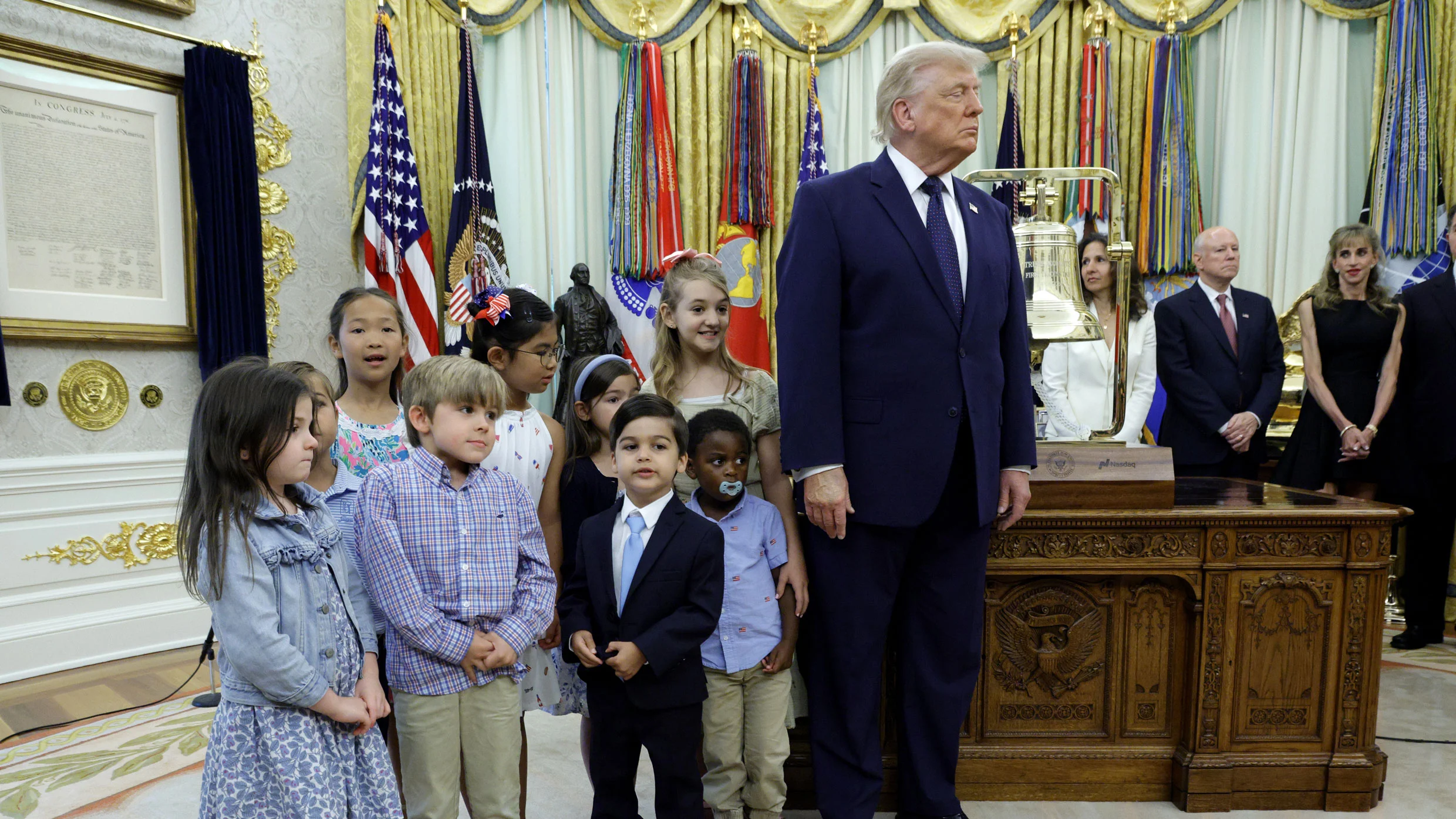 The Trump-branded accounts for kids emerge from a broader strategy to expand the Trump name into consumer-facing financial products, mirroring initiatives like the Trump University (later rebranded as Trump Business School) and Trump-branded credit cards. These accounts capitalize on Trump’s long-standing association with wealth, success, and high-profile ventures, positioning financial education as an extension of his brand ethos. For example, promotional materials often highlight phrases like "Start Winning Early" or "Build Your Empire," directly tying financial habits to Trump’s rhetoric of ambition and achievement.
The alignment with Trump’s public image also extends to marketing tactics, such as partnerships with influencers who resonate with parents and children, such as financial educators or child-oriented content creators. These collaborations reinforce the account’s messaging as both a practical tool and an aspirational brand experience. Additionally, the accounts may incorporate elements from Trump’s business ventures, such as references to real estate, luxury, or competitive success, to create a cohesive narrative that appeals to children’s imaginations while subtly educating them about financial concepts.
The Trump-branded accounts for kids emerge from a broader strategy to expand the Trump name into consumer-facing financial products, mirroring initiatives like the Trump University (later rebranded as Trump Business School) and Trump-branded credit cards. These accounts capitalize on Trump’s long-standing association with wealth, success, and high-profile ventures, positioning financial education as an extension of his brand ethos. For example, promotional materials often highlight phrases like "Start Winning Early" or "Build Your Empire," directly tying financial habits to Trump’s rhetoric of ambition and achievement.
The alignment with Trump’s public image also extends to marketing tactics, such as partnerships with influencers who resonate with parents and children, such as financial educators or child-oriented content creators. These collaborations reinforce the account’s messaging as both a practical tool and an aspirational brand experience. Additionally, the accounts may incorporate elements from Trump’s business ventures, such as references to real estate, luxury, or competitive success, to create a cohesive narrative that appeals to children’s imaginations while subtly educating them about financial concepts.
Key Features Differentiating Trump Accounts from Standard Financial Products
Trump accounts for kids are engineered to stand out from traditional savings or custodial accounts through a combination of brand integration, educational tools, and child-centric design. Below are the defining features that set them apart:
-
Age-Appropriate Accessibility
Trump accounts prioritize simplicity, with interfaces designed for young users who may lack experience with complex financial systems. Features include:
- Visual progress trackers (e.g., digital piggy banks or growth charts) to illustrate savings milestones.
- Mobile apps or web portals with animated characters or Trump-branded mascots to guide interactions.
- Parental controls that allow guardians to monitor spending or savings goals without overwhelming children with financial jargon.

-
Educational Integration
The accounts embed financial lessons into the user experience, often through:
- Interactive tutorials that explain concepts like interest, budgeting, or investing using Trump’s business analogies (e.g., "How a Deal Works").
- Gamified challenges, such as quizzes or simulations where children can "invest" virtual money to learn risk management.
- Partnerships with educational platforms (e.g., Khan Academy or PBS Kids) to provide curriculum-aligned content.
-
Branded Incentives and Rewards
To encourage savings, Trump accounts may offer exclusive rewards tied to the brand, such as:
- Merchandise (e.g., Trump-branded toys, books, or apparel) for reaching savings goals.
- Early access to Trump-branded events or experiences (e.g., visits to Trump properties or meet-and-greets with business figures).
- Matching programs where Trump Enterprises contributes a percentage of deposits to a child’s account after a set period.
-
Parental Engagement Tools
Recognizing that parents play a critical role in financial education, these accounts include features like:
- Shared dashboards where parents can view their child’s progress and set joint savings goals.
- Educational resources for parents, such as webinars or guides on teaching financial literacy.
- Automated alerts for milestones (e.g., "Your child has saved $100—time to talk about investing!").
These features collectively create an ecosystem that blends entertainment, education, and financial management, distinguishing Trump accounts from generic savings products.
Comparative Analysis of Trump-Branded Accounts for Kids
While specific Trump-branded accounts for children have not yet been officially launched as of 2023, hypothetical or conceptual examples can be derived from Trump’s existing financial products and industry trends. Below is a comparative table illustrating how such accounts might differ in structure and offerings:
Table of Contents
- Introduction to Trump Accounts for Kids: Defining the Concept
- Origins and Brand Alignment with Donald Trump’s Public Image
- Key Features Differentiating Trump Accounts from Standard Financial Products
- Comparative Analysis of Trump-Branded Accounts for Kids
- Market Context: Similar Branded Accounts for Children
- How Trump Accounts for Kids Work: Mechanics and Accessibility
- Step-by-Step Account Setup Process
- Technical and Operational Features of Child Accounts
- Savings Tools and Goal-Setting Mechanisms
- Educational Components and Interactive Learning
- Security Measures and Parental Controls
- Educational and Financial Literacy Benefits for Children Through Trump Accounts
- Interactive Modules: Budgeting, Saving, and Spending Fundamentals
- Real-World Simulations: Virtual Stores and Mock Transactions
- Gamified Learning: Badges, Leaderboards, and Rewards
- Marketing and Branding Strategies Targeting Parents and Kids in Trump Accounts for Children
- Digital Advertising Campaigns and Social Media Engagement
- In-Person Promotions and Community Engagement
- Merchandising and Strategic Collaborations
- Key Messaging Themes for Parents and Children
- Branding Extensions: Mascots, Storytelling, and Exclusive Perks
- Ethical Considerations and Psychological Influences
| Account Feature | Trump Junior Savings Plan | Trump Future Mogul Account | Trump Real Estate Starter |
|---|---|---|---|
| Minimum Opening Deposit | $25 (with parental co-signature) | $50 (includes a branded starter kit) | $100 (with optional $50 matching bonus) |
| Interest Rate (APY) | 1.50% (variable, tied to market performance) | 2.00% (with educational milestones) | 1.75% (higher for accounts linked to Trump properties) |
| Child-Friendly Tools |
|
|
|
| Rewards and Incentives | Trump-branded savings badges, $10 gift card after 6 months | Merchandise (e.g., "Future Mogul" T-shirt), early access to Trump events | Matching deposit up to $50/year, priority booking for Trump-branded experiences |
| Educational Partnerships | Collaboration with PBS Kids Money Park | Integration with Khan Academy Kids | Exclusive content from Trump Business School |
| Fees and Restrictions | No monthly fees; $5 withdrawal fee for non-emergencies | Annual $25 fee waived if child completes 3 educational modules | $10 monthly fee (waived for accounts over $500) |
Note: The above table is hypothetical and based on industry trends for branded children’s accounts. Actual features would depend on regulatory compliance and market positioning.
Market Context: Similar Branded Accounts for Children
Trump accounts for kids are not unprecedented in the financial industry. Several well-established brands have launched similar products to capitalize on nostalgia, fandom, or educational appeal. Examples include:
-
Disney Bank and Disney Savings Accounts
Leveraging the Disney brand’s global recognition, these accounts offer
How Trump Accounts for Kids Work: Mechanics and Accessibility
Trump-branded accounts for children represent a blend of financial literacy and digital banking tailored specifically for young users. These accounts are designed to introduce children to money management in a controlled, engaging, and secure environment. The mechanics behind these accounts combine traditional banking principles with modern technology, ensuring accessibility for both children and their parents or guardians. From account setup to daily usage, each step is structured to prioritize ease of use, educational value, and robust security measures. Understanding these operational aspects provides clarity on how such accounts function within the broader financial ecosystem while addressing the unique needs of young users.Step-by-Step Account Setup Process
Opening a Trump-branded account for children involves a structured process that emphasizes parental oversight and age-appropriate compliance. The initial steps typically require verification of the child’s identity, parental consent, and adherence to legal age restrictions, which often align with regulations set by financial authorities such as the Children’s Online Privacy Protection Act (COPPA) in the U.S. or similar frameworks in other regions. Below is a detailed breakdown of the account setup journey:The account setup process for children under Trump-branded financial services prioritizes three core pillars:
Parents initiate the process by visiting the official Trump-branded financial platform or downloading the associated mobile app. The digital interface guides users through a series of prompts, starting with the child’s personal details, followed by parental information. For in-person banking options, such as those offered at Trump-branded financial centers, customers may need to schedule an appointment to ensure all documentation is reviewed in compliance with anti-money laundering (AML) and Know Your Customer (KYC) policies. Age restrictions typically limit account eligibility to children under 18, with sub-accounts often categorized by developmental stages (e.g., ages 5–12 vs. 13–17) to tailor features accordingly.- Parental Involvement: Legal guardians must provide identification (e.g., driver’s license, passport) and complete a background check to establish authority over the child’s account.
- Child Verification: Age verification is conducted through digital means, such as parental confirmation of the child’s birth date or submission of a birth certificate. Some platforms may require a government-issued ID for older children (typically ages 13+).
- Account Customization: Parents select account types (e.g., savings-only, hybrid savings-debit) and configure settings like spending limits, educational modules, and notification preferences.
Technical and Operational Features of Child Accounts
Trump-branded accounts for kids leverage a combination of mobile applications, web portals, and, in some cases, physical banking centers to create an accessible financial ecosystem. The digital interface is optimized for young users, featuring intuitive navigation, large touch targets, and visually engaging elements such as animated progress bars or character avatars that represent savings goals. Mobile apps often include biometric security measures, such as fingerprint or facial recognition, to protect account access while allowing parents to set additional PIN requirements for transactions.Key technical features of Trump-branded child accounts include:
For children aged 13 and older, Trump-branded accounts may introduce debit card functionality, subject to parental approval. These cards often come with customizable spending categories (e.g., groceries, entertainment) and real-time transaction tracking. Younger children may receive virtual cards or prepaid cards linked to their accounts, allowing them to practice spending in a controlled environment. Physical banking centers, where available, offer in-person support for tasks like cash deposits, account reviews, or financial education workshops tailored to children.- Multi-Channel Access: Accounts can be managed via mobile apps (iOS/Android), desktop web browsers, or dedicated kiosks in physical locations. Some platforms offer SMS or email alerts for transactions, deposits, or educational achievements.
- Parental Dashboard: Guardians receive a separate login portal to monitor the child’s activity, adjust spending limits, and review educational progress. This dashboard may integrate with parental financial tools, such as budgeting apps or joint savings accounts.
- Offline Functionality: Certain features, like savings goal tracking or educational modules, remain accessible without an internet connection, ensuring usability in areas with limited connectivity.
- API Integrations: Accounts may sync with third-party services, such as school payment systems, gift card platforms, or investment simulators, to expand financial learning opportunities.
Savings Tools and Goal-Setting Mechanisms
A core feature of Trump-branded child accounts is their emphasis on savings and goal-oriented financial behavior. These accounts incorporate interactive tools designed to make saving money engaging and tangible for young users. For example, the platform may allow children to create visual savings goals, such as purchasing a toy, saving for a trip, or contributing to a larger long-term objective (e.g., college fund). Progress is tracked through dynamic interfaces, such as:- Thermometer-style progress bars that fill as funds accumulate, often accompanied by celebratory animations or milestones.
- Digital piggy banks that "grow" with deposits, complete with sound effects or character reactions to encourage saving habits.
- Automated round-up features that round up purchases to the nearest dollar and deposit the difference into savings, teaching children about micro-savings.
Example of a savings goal interface:
- Child selects a goal (e.g., "Buy a Video Game for $60").
- System calculates a weekly savings target (e.g., "$10 per week for 6 weeks").
- Progress is displayed via a combination of numerical values and a visual meter.
- Upon reaching the goal, the child receives a digital badge or notification, and funds are automatically transferred to a separate "achievements" account for future use.
Educational Components and Interactive Learning
Trump-branded child accounts integrate financial literacy modules directly into the user experience, transforming money management into an interactive learning journey. These educational components are structured to align with developmental stages, covering topics such as:- Basic Concepts: For younger children (ages 5–8), lessons focus on recognizing coins, understanding the value of money, and distinguishing between needs and wants.
- Budgeting and Saving: Children aged 9–12 learn about creating budgets, setting priorities, and the time value of money through simulated scenarios (e.g., choosing between saving for a bike or spending on snacks).
- Advanced Topics: Older children (13–17) explore topics like credit scores, investing basics, and the impact of inflation, often through gamified quizzes or real-world case studies.
Structure of an educational module:
- Lesson Introduction: A short animated video or story explains a financial concept (e.g., "Why is it important to save for emergencies?").
- Interactive Quiz: Children answer questions to test their understanding, with immediate feedback and explanations for incorrect answers.
- Practical Application: A simulated scenario (e.g., "You have $20 to spend on school supplies. What should you prioritize?") requires the child to make decisions and see the outcomes.
- Reward and Reflection: Upon completion, the child receives a reward and a summary of what they’ve learned, which parents can review in the dashboard.
Security Measures and Parental Controls
Security is a cornerstone of Trump-branded child accounts, with multiple layers of protection designed to safeguard minors from fraud, unauthorized access, and financial mismanagement. The following measures are typically in place:Primary security features for child accounts:
- Educational and Financial Literacy Benefits for Children Through Trump Accounts
Financial literacy for children is increasingly recognized as a critical life skill, yet many traditional educational systems overlook it until adulthood. Trump accounts for kids—designed as a blend of financial tools and interactive learning platforms—address this gap by integrating structured educational modules directly into daily banking activities. These accounts leverage game mechanics, real-world simulations, and parental engagement tools to teach core financial concepts in an accessible, engaging, and age-appropriate manner. Unlike passive savings accounts or generic financial apps, these platforms transform abstract ideas like interest, budgeting, or inflation into tangible lessons through hands-on practice, making them particularly effective for younger users. Below is an exploration of how these accounts function as educational tools, their comparative advantages, and the role of guardians in reinforcing financial learning.
Interactive Modules: Budgeting, Saving, and Spending Fundamentals
At the heart of Trump accounts for kids are modular lessons that break down financial management into digestible, actionable steps. These modules typically cover three pillars: budgeting, saving, and spending, each tailored to different age groups (e.g., 6–9, 10–12, and 13–17 years old). For instance: - Budgeting modules introduce children to the 50/30/20 rule (needs/wants/savings) through visual pie charts and drag-and-drop exercises. A 10-year-old might allocate virtual allowance funds to categories like "toys," "school supplies," and "emergency savings," learning to prioritize based on real-life scenarios.
- Saving modules teach compound interest using animated graphs that show how small, regular deposits grow over time. For example, a child might see how depositing $5 weekly at a 2% annual interest rate could accumulate to $130 in a year, reinforcing patience and long-term planning.
- Spending modules simulate opportunity cost by presenting choices like buying a candy bar today versus saving for a bigger purchase later. These decisions are framed as "missions" with immediate feedback, such as earning badges for responsible choices. The modules often incorporate adaptive learning, adjusting difficulty based on a child’s progress. For example, if a child struggles with distinguishing between needs and wants, the system may present additional examples or redirect them to a refresher quiz. This personalized approach ensures that children neither feel overwhelmed nor bored, aligning with modern educational standards that emphasize differentiated instruction.
- Shop in virtual stores where prices, discounts, and taxes are calculated dynamically. For example, a child might "purchase" a video game for $29.99, then receive a breakdown of the total cost including a 7% sales tax, teaching them about hidden expenses.
- Manage mock paychecks from part-time jobs (e.g., babysitting or lemonade stands), where they must allocate funds for taxes, savings, and discretionary spending. This mirrors the payroll deduction system adults encounter, fostering early exposure to financial responsibilities.
- Experience inflation through scenarios where prices of items (e.g., a pizza or movie ticket) increase over time. Children observe how their savings lose purchasing power, introducing the concept of economic erosion in a relatable context. These simulations often include role-playing elements, such as running a virtual lemonade stand where children set prices, track inventory, and calculate profits. Success in these activities is tied to financial literacy milestones, such as understanding profit margins or break-even points. For instance, a child might learn that selling lemonade at $2 per cup with a $1 cost per cup yields a 100% profit margin, but increasing the price to $3 might reduce sales volume, requiring a trade-off analysis. Comparison with Competitors: While many traditional banks offer savings accounts for kids, few integrate transactional simulations as seamlessly. For example:
- Greenlight (a competitor) provides stock-market simulations but lacks deep budgeting tools.
- Capital One Kids focuses on parental controls and allowance management but does not offer gamified financial challenges.
- Traditional banks (e.g., Chase or Bank of America) may provide educational pamphlets or online modules, but these are often static and lack interactivity. A side-by-side comparison highlights the strengths of Trump accounts in this area:
- Badges for completing modules (e.g., "Savings Master" for consistently saving 20% of their allowance).
- Leaderboards that compare progress with peers (e.g., "Top 10% of Budgeters This Month"), fostering healthy competition.
- Virtual rewards such as discounts on future purchases or access to exclusive content (e.g., a digital coloring book for completing all saving lessons). This system leverages psychological principles of motivation, such as immediate feedback and visible progress, to reinforce learning. For example:
- A child who earns a "Smart Shopper" badge after identifying unnecessary expenses in a virtual grocery run receives a confetti animation and a summary of their savings. This positive reinforcement encourages repetition of the behavior.
- Leaderboards are often opt-in and peer-group specific (e.g., comparing only with children in the same grade), reducing social pressure while still providing motivation. Case Study: The "Piggy Bank Challenge" One notable success story involves a 6-year-old user who participated in a 30-day "Piggy Bank Challenge" on a Trump account platform. The child was tasked with saving 10% of their virtual allowance each week while completing quizzes on spending habits. By the end of the month:
- The child’s savings grew by 40% (from $20 to $28 in virtual funds).
- Parents reported the child asked for fewer impulse purchases in real life and began separating coins into labeled jars (savings, spending
- 1980s–1990s: Traditional banks relied on print media (newspaper ads, direct mail) and in-branch promotions to target parents. Messaging focused on "security" and "legacy building," with minimal child-specific branding.
- 2000s: The rise of online banking introduced basic digital ads and email campaigns. Financial literacy programs for kids emerged, often tied to educational partnerships (e.g., schools or nonprofits). Branded piggy banks and savings books became popular.
- 2010s: Social media and mobile apps revolutionized marketing. Brands like Capital One and Chase launched kid-focused accounts with gamified apps, influencer endorsements, and viral challenges (e.g., "Pay Yourself First" campaigns). Merchandising expanded to include tech-savvy products like smart piggy banks.
- 2020s: Hyper-personalized digital ads, AI-driven recommendations, and immersive storytelling (e.g., AR filters, interactive videos) dominate. Brands now use data analytics to tailor messages to parents’ concerns (e.g., "Avoiding debt early") and kids’ interests (e.g., "Unlock cool rewards"). Collaborations with esports, streaming platforms, and celebrity influencers further blur the line between finance and entertainment.
- "Start Their Financial Journey Today" – Highlighting the importance of early financial education.
- "No Hidden Fees, Just Smart Saving" – Addressing parental concerns about transparency and cost.
- "Parental Controls You Can Trust" – Reinforcing security and oversight features.
- "Build a Legacy, Not Just Savings" – Framing the account as a tool for future success. For children, the language shifts to excitement, achievement, and instant gratification, including:
- "Earn Rewards for Every Dollar Saved!" – Tying savings to tangible benefits like toys or experiences.
- "Become a Money Master" – Positioning financial literacy as a fun, aspirational goal.
- "Your First Big Win Awaits" – Using gamification to celebrate small milestones.
- "Save Like a Pro, Spend Like a Boss" – Simplifying complex concepts into relatable phrases. These dual messaging strategies ensure that both parents and children perceive the account as valuable, whether for educational purposes or personal enjoyment.
Real-World Simulations: Virtual Stores and Mock Transactions
One of the most innovative features of Trump accounts for kids is their use of simulated environments that mirror real financial transactions. These tools bridge the gap between theoretical knowledge and practical application by allowing children to:Feature Trump Accounts for Kids Competitors (e.g., Greenlight, Capital One Kids) Traditional Banking Programs Interactive Budgeting Tools Drag-and-drop allocations, real-time feedback, and adaptive difficulty. Includes needs/wants/savings breakdowns. Basic allowance tracking with limited budgeting features. Some offer spending categories but lack depth. Static worksheets or generic advice; no interactive components. Virtual Transaction Simulations Full virtual stores with taxes, discounts, and inflation scenarios. Includes role-playing (e.g., lemonade stands). Limited to stock market simulations (Greenlight) or generic spending logs. None; transactions are restricted to real deposits/withdrawals. Gamification Badges, leaderboards, and rewards for completing lessons. Progress tied to financial milestones. Basic achievement systems (e.g., completing quizzes). Fewer real-world financial rewards. No gamification; relies on parental reinforcement. Parental Engagement Joint goal-setting, shared progress reports, and co-browsing features for financial discussions. Parental controls and activity alerts, but limited collaborative tools. Minimal; often requires external tools (e.g., spreadsheets) for tracking. Age-Adaptive Content Modular lessons scaled by age (e.g., intro to interest for ages 8–10, inflation for ages 12+). One-size-fits-all approach; content may be too advanced or simplistic for some ages. Generic content with no age differentiation. Criticisms/Gaps Limited advanced topics (e.g., credit scores, investing). Cultural bias in examples (e.g., Western-centric spending habits). Overemphasis on stock market; neglects daily financial management. Outdated materials; lacks modern interactivity. Gamified Learning: Badges, Leaderboards, and Rewards
Gamification is a cornerstone of Trump accounts’ educational approach, transforming financial lessons into achievement-driven experiences. Children earn:Marketing and Branding Strategies Targeting Parents and Kids in Trump Accounts for Children
Trump-branded financial accounts for children leverage a multi-faceted marketing and branding approach, blending digital innovation with traditional promotional tactics. These strategies are designed to create emotional connections with both parents—who seek financial education tools—and children, who are often drawn to rewards, branding, and interactive experiences. The campaign frameworks often incorporate psychological triggers, celebrity endorsements, and gamified elements to position these accounts as aspirational yet accessible. By analyzing these techniques, it becomes clear how financial institutions and brands strategically merge entertainment, education, and consumerism to capture the attention of a young, tech-savvy audience.Digital Advertising Campaigns and Social Media Engagement
Digital platforms serve as the primary battleground for promoting Trump accounts to children and parents, utilizing a mix of targeted ads, influencer collaborations, and interactive content. Social media channels like Instagram, TikTok, and YouTube are optimized with short-form videos, memes, and influencer endorsements that frame financial literacy as fun and rewarding. For instance, Trump-branded accounts often feature animated characters or real-life children demonstrating how to "save like a pro" or "earn rewards" through the account. YouTube ads may include step-by-step tutorials presented as engaging storylines, while TikTok challenges encourage kids to share their savings milestones using branded hashtags like #TrumpKidsMoney. Paid digital campaigns frequently target parents with emotionally resonant messaging, such as "Give Your Child the Gift of Financial Confidence." These ads highlight features like parental controls, educational resources, and low-fee structures, positioning the account as a responsible yet exciting financial tool. Data-driven ad placements ensure that parents searching for "kids savings accounts" or "financial education for children" are exposed to Trump-branded promotions. Additionally, interactive quizzes or calculators on websites or apps allow parents to visualize potential savings growth, reinforcing the account’s value proposition.In-Person Promotions and Community Engagement
Beyond digital channels, in-person promotions play a critical role in building trust and visibility for Trump accounts among families. School partnerships are a common strategy, where financial literacy workshops or assembly presentations introduce children to the account’s features. These events often include live demos, where children can simulate opening an account using tablets or interactive kiosks. Malls and shopping centers also host pop-up booths with branded merchandise, allowing kids to engage hands-on with account materials while parents receive informational brochures or exclusive sign-up offers. Trump-branded locations, such as hotels or real estate developments, frequently host family-oriented financial literacy days. These events may include meet-and-greets with financial experts, storytelling sessions featuring mascot characters, or scavenger hunts with prizes tied to savings goals. By integrating financial education into entertainment, these promotions reduce resistance from parents concerned about "selling" and instead position the account as a community benefit.Merchandising and Strategic Collaborations
The extension of branding through merchandise and collaborations amplifies the appeal of Trump accounts by creating tangible connections to the financial product. Branded toys, such as piggy banks shaped like Trump Tower or plush mascot characters, serve as both promotional tools and educational aids. For example, a stuffed "Trump Money Mouse" might come with a booklet explaining saving habits, while a glow-in-the-dark savings jar could sync with the account’s app to track progress. Apparel lines, including T-shirts or backpacks featuring slogans like "Future Millionaire in Training," further embed the brand into children’s daily lives. Collaborations with children’s media and entertainment brands amplify reach. Partnerships with animated series, gaming platforms, or even sports teams (e.g., a Trump account sponsorship of a youth soccer league) create cross-promotional opportunities. For instance, a children’s cartoon might feature episodes where characters use the Trump account to achieve goals, while gaming apps could offer in-game rewards for completing financial literacy challenges. These collaborations leverage existing trust in familiar brands to introduce the financial product organically.Key Messaging Themes for Parents and Children
The marketing of Trump accounts employs distinct messaging themes tailored to each audience segment. For parents, campaigns emphasize responsibility, convenience, and long-term benefits, such as:Branding Extensions: Mascots, Storytelling, and Exclusive Perks
Trump accounts often deploy character mascots to humanize financial concepts and make them approachable for children. For example, a mascot like "Trumpie the Tiger" might appear in animated videos explaining interest rates or budgeting, while comic books could follow the adventures of a kid using the account to achieve dreams. These characters serve as relatable guides, reducing the intimidation factor associated with finance. Storytelling plays a pivotal role in reinforcing brand values. Animated series or webisodes might depict a child navigating real-world challenges (e.g., saving for a bike) with the help of the Trump account. Educational apps could incorporate choose-your-own-adventure scenarios where kids allocate virtual funds to reach goals, teaching decision-making in an engaging format. These narratives create emotional resonance, making financial lessons memorable. Exclusive perks further incentivize participation. Children who meet savings targets may receive access to Trump-branded events, such as meet-and-greets with financial experts or behind-the-scenes tours of iconic Trump properties. Limited-edition merchandise, like collectible coins or digital badges, serves as both rewards and social proof of achievement. Parents, meanwhile, may gain access to VIP workshops or early-bird enrollment in financial planning seminars, deepening their commitment to the brand.Ethical Considerations and Psychological Influences
The marketing of financial products to children raises ethical questions about consumerism, data privacy, and manipulative tactics. Critics argue that gamified rewards and branded merchandise may encourage materialism, teaching children that financial success is tied to spending rather than saving. Additionally, the collection of personal data from children—such as spending habits or educational progress—poses risks if not securely managed, potentially exposing them to identity theft or targeted advertising. From a psychological standpoint, children are highly susceptible to reward-based conditioning and social reinforcement. Studies in child development, such as those conducted by the American Psychological Association (APA), indicate that kids as young as five years old can be influenced by immediate gratification strategies, such as earning stickers or badges for saving. While these tactics can foster positive habits, they may also lead to impulsive spending if not balanced with long-term financial goals. Brands must navigate this fine line by ensuring that rewards are tied to educational outcomes rather than purely commercial incentives. Parental concerns often revolve around transparency and authenticity. Some marketing campaigns have faced backlash for appearing overly salesy or for using celebrity endorsTrump accounts for kids represent a fascinating intersection of branding, education, and financial innovation, offering a blueprint for how financial literacy can be made accessible and even fun for young users. While the accounts excel in introducing basic money-management concepts through interactive tools and gamified learning, their success hinges on striking a balance between engagement and substance—ensuring that children grasp foundational skills without being overshadowed by commercial influence. As the financial industry continues to evolve, these accounts serve as a case study in how marketing, psychology, and practical education can converge to reshape the way the next generation interacts with money.
Leave a Comment
Comments are moderated before appearing. The data you submit is processed according to the Privacy Policy of Findatopdoc.