What do most dentists use for sedation and why it matters
Table of Contents
- Understanding Sedation in Dentistry: Common Methods and Their Purpose
- Primary Goals of Sedation in Dental Procedures
- Categorization of Sedation Types in Dentistry
- Legal and Ethical Considerations in Dental Sedation
- Physiological Correlation of Sedation Levels
- Nitrous Oxide (Laughing Gas): The Most Widely Used Sedation Technique
- Chemical Properties and Mechanism of Action in the Central Nervous System
- Administration Process: Equipment Setup, Dosage Adjustments, and Patient Monitoring
- Comparison of Nitrous Oxide with Other Inhalation Sedatives: Safety, Cost, and Recovery Times
- Real-World Applications: Case Studies and Patient Testimonials
- Oral Sedation in Dentistry: Medications, Protocols, and Patient Safety
- Commonly Prescribed Oral Sedatives and Their Pharmacological Profiles
- Pre-Operative Instructions for Patients Undergoing Oral Sedation
- Tailoring Oral Sedation Dosages Based on Patient-Specific Factors
- IV Sedation in Dentistry: Pharmacology, Administration, and Advanced Monitoring
- Pharmacology of IV Sedatives: Drug Profiles and Synergistic Interactions
- Step-by-Step Administration of IV Sedation in Dental Settings
- Advanced Techniques: Target-Controlled Infusion (TCI) and Bispectral Index (BIS) Monitoring
- Comparison of IV Sedation vs. Oral/Nitrous Oxide: Recovery, Cost, and Patient Suitability
Dental anxiety affects millions globally, turning routine visits into daunting experiences that often delay necessary care. Yet, modern dentistry has transformed fear into comfort through sedation techniques, with most practitioners relying on methods that balance safety, efficiency, and patient well-being. From the calming effects of nitrous oxide to the deeper relaxation of intravenous agents, the choice of sedation is not arbitrary—it is a calculated decision shaped by procedure complexity, patient health, and legal standards. Understanding these preferences reveals how dentistry adapts to individual needs while maintaining rigorous protocols to ensure minimal risk.
The evolution of sedation in dentistry reflects broader advancements in medical science, where innovation meets practicality. Nitrous oxide, first harnessed in the 19th century, remains a cornerstone due to its rapid action and ease of administration, while newer pharmacologic agents offer tailored solutions for high-anxiety or medically complex patients. However, the rise of oral and intravenous sedation has introduced variables like dosage precision, recovery times, and cost—factors that influence both practitioner recommendations and patient outcomes. This interplay of tradition and technology underscores why dentists prioritize specific sedation methods, ensuring procedures are not just tolerable but also transformative in restoring oral health without distress.

Understanding Sedation in Dentistry: Common Methods and Their Purpose
Sedation in dentistry serves as a cornerstone for managing patient anxiety, ensuring procedural comfort, and enhancing clinical efficiency. Dental anxiety affects approximately 20% of the global population, with phobias ranging from mild discomfort to severe avoidance of dental care (American Dental Association, 2022). Proper sedation not only mitigates distress but also allows practitioners to perform complex procedures with greater precision, reducing patient movement and improving outcomes. The selection of sedation methods depends on the patient’s medical history, psychological state, and the complexity of the dental treatment. Below, sedation is categorized by depth, applications, and suitability, alongside legal, ethical, and historical contexts that shape its modern use.
Primary Goals of Sedation in Dental Procedures
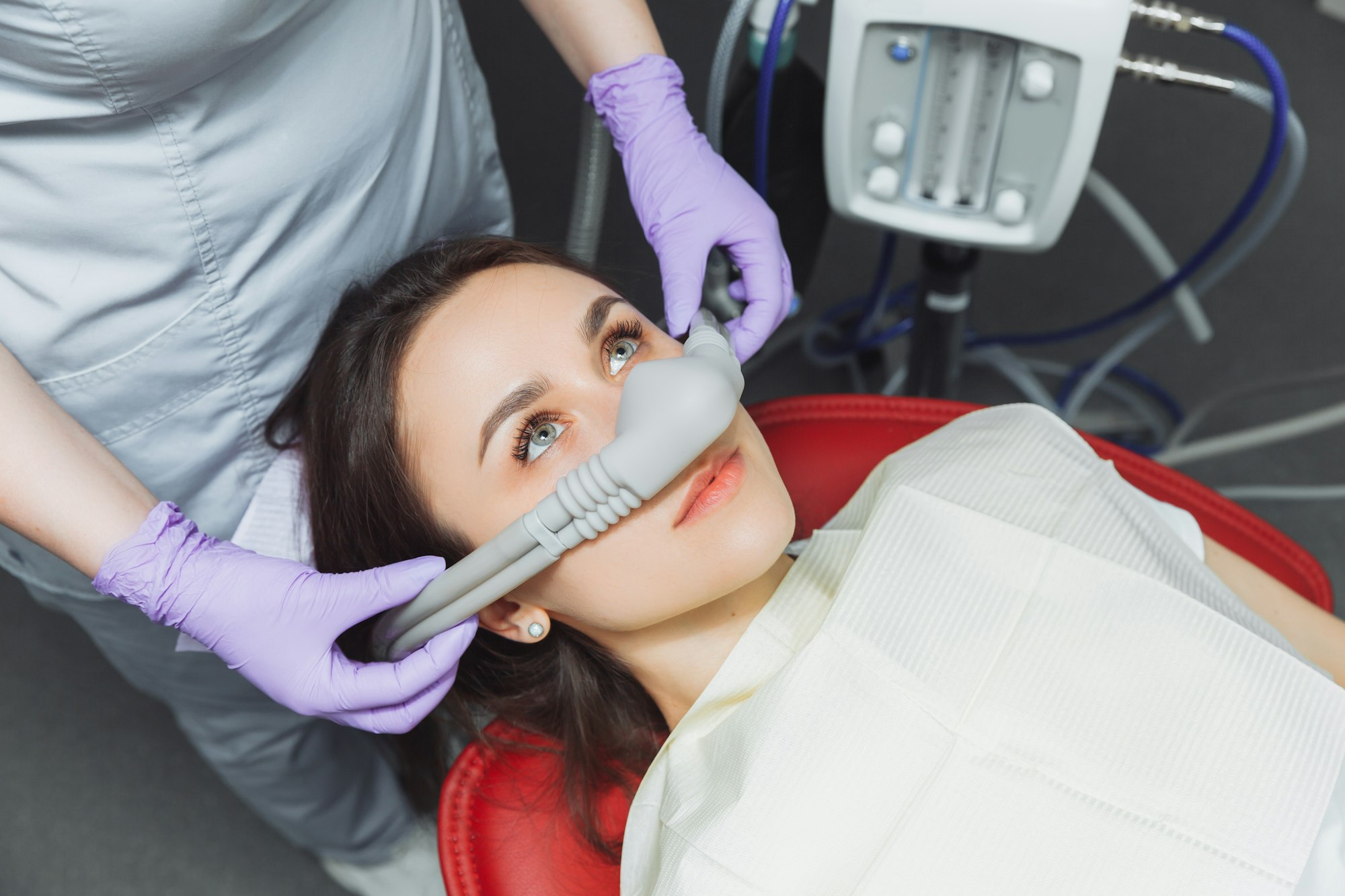 The core objectives of sedation in dentistry revolve around anxiety reduction, physiological stability, and procedural efficiency. For patients with dental phobia, sedation eliminates the fear response, enabling them to undergo necessary treatments without distress. Physiologically, sedation modulates the autonomic nervous system, reducing heart rate, blood pressure, and cortisol levels—key indicators of stress. Clinically, it minimizes patient movement, allowing dentists to execute procedures like root canals or implant placements with higher accuracy and lower complication rates. Studies indicate that moderate sedation reduces procedure times by up to 30% due to cooperative patient behavior (Journal of the American Dental Association, 2021). Additionally, sedation is critical for patients with low pain thresholds, gag reflex sensitivity, or special needs, ensuring their comfort and safety during lengthy or invasive treatments.
Categorization of Sedation Types in Dentistry
Sedation in dentistry is classified into four levels based on depth, each with distinct physiological effects and clinical applications. The depth of sedation determines patient responsiveness, airway management requirements, and the need for monitoring. Below is a categorized breakdown, including ideal patient scenarios and common uses, structured for quick reference:
| Type | Depth | Common Uses | Patient Suitability |
|---|---|---|---|
| Minimal (Anxiolysis) | Patient responds normally to verbal commands; cognitive function and coordination may be impaired. | Routine cleanings, fillings, simple extractions, or patients with mild anxiety. | Healthy patients with no significant medical conditions; those who fear needles or dental sounds but can cooperate. |
| Moderate (Conscious Sedation) | Patient responds purposefully to verbal or light tactile stimulation; may not recall the procedure. | Complex restorative work (e.g., crowns, bridges), multiple extractions, deep cleanings, or patients with moderate anxiety. | Patients with controlled chronic conditions (e.g., hypertension, diabetes) under medical supervision; those unable to tolerate minimal sedation. |
| Deep Sedation | Patient responds only to repeated or painful stimulation; requires assisted ventilation support. | Surgical procedures (e.g., wisdom teeth removal, dental implants), patients with severe anxiety or developmental disabilities. | Patients with complex medical histories requiring continuous monitoring; those undergoing lengthy or painful procedures. |
| General Anesthesia | Patient is unconscious with no response to stimulation; requires advanced airway management. | Major oral surgeries (e.g., jaw reconstruction, trauma cases), pediatric dentistry, or patients with extreme phobias. | Patients with significant medical risks, children, or those unable to undergo lesser sedation levels. |
Key Consideration: The choice of sedation depth is patient-specific and must align with the American Dental Association (ADA) guidelines, which emphasize titration (gradual administration) to avoid over-sedation. For instance, a patient undergoing a root canal may start with minimal sedation but transition to moderate sedation if anxiety escalates mid-procedure.
Legal and Ethical Considerations in Dental Sedation
 The administration of sedation in dentistry is governed by strict legal and ethical frameworks to ensure patient safety and practitioner accountability. In the United States, dentists must obtain additional certifications beyond a DDS/DMD degree to perform sedation, including:
Ethical obligations include:
blockquote "The primary ethical duty of a dentist administering sedation is to prioritize the patient’s well-being over convenience or efficiency." — ADA Principles of Ethics and Code of Professional Conduct (2023) /blockquote Failure to adhere to these standards can result in malpractice claims, license revocation, or legal action. For example, a 2020 case in California involved a dentist who administered unmonitored deep sedation for a routine extraction, leading to respiratory arrest and permanent neurological damage. The court ruled in favor of the plaintiff, emphasizing the need for real-time monitoring (e.g., pulse oximetry, blood pressure cuffs) during deep sedation procedures.
Physiological Correlation of Sedation Levels
The depth of sedation directly influences cardiovascular, respiratory, and neurological responses, creating a measurable gradient of patient stability. Below is an infographic-style description of how sedation levels correlate with physiological parameters, visualized through key metrics: 1. Minimal Sedation (Anxiolysis)
2. Moderate Sedation (Conscious Sedation)
3. Deep Sedation
Nitrous Oxide (Laughing Gas): The Most Widely Used Sedation Technique
Nitrous oxide (N₂O), commonly referred to as laughing gas, stands as the cornerstone of minimal sedation in modern dentistry due to its rapid onset, reversible effects, and safety profile. Administered through inhalation, this colorless gas with a slightly sweet odor acts as a central nervous system depressant, modulating neurotransmitter activity to induce relaxation and analgesia. Its widespread adoption stems from its ability to provide controlled sedation without compromising the patient’s airway or requiring invasive procedures, making it ideal for a diverse patient demographic—from children undergoing routine checkups to adults with dental anxiety. The mechanism of nitrous oxide involves binding to NMDA receptors, reducing neuronal excitability while sparing respiratory drive, a critical factor in its clinical utility.Chemical Properties and Mechanism of Action in the Central Nervous System
Nitrous oxide (N₂O) is a chemical compound composed of two nitrogen atoms bonded to a single oxygen atom (N₂O), classified as an inorganic gas with anesthetic and analgesic properties. Its molecular weight of 44.01 g/mol allows it to diffuse rapidly across biological membranes, including the alveolar-capillary interface in the lungs and the blood-brain barrier. The gas exerts its effects primarily by antagonizing the NMDA (N-methyl-D-aspartate) receptor, a glutamate receptor critical for excitatory neurotransmission. By binding to the PCP (phencyclidine) site within the NMDA receptor complex, nitrous oxide reduces calcium influx into neurons, thereby dampening pain signaling and inducing a dissociative state. Additionally, it enhances the activity of gamma-aminobutyric acid (GABA), the brain’s primary inhibitory neurotransmitter, further contributing to its sedative effects. The onset of nitrous oxide sedation occurs within 30 to 60 seconds after inhalation, with peak effects typically achieved after 2 to 5 minutes of continuous administration. This rapid induction is attributed to its high solubility in blood and low oil-gas partition coefficient (0.46), which facilitates quick equilibration between alveolar gas and arterial blood. Conversely, the offset of nitrous oxide is equally swift, with effects dissipating within 3 to 5 minutes post-discontinuation due to its elimination via the lungs without significant metabolism. This property makes nitrous oxide uniquely advantageous in dental settings, where procedures may require abrupt cessation of sedation for patient safety or communication.Administration Process: Equipment Setup, Dosage Adjustments, and Patient Monitoring
The administration of nitrous oxide follows a standardized protocol designed to ensure patient safety and efficacy. The process begins with the equipment setup, which includes a nasal hood or mask connected to a central supply system or portable E-cylinder. Modern dental offices utilize precision vaporizers or digital flowmeters to deliver a 50:50 mixture of nitrous oxide and oxygen, a ratio that balances sedation with respiratory safety. The nasal hood is fitted snugly over the patient’s nose to minimize gas leakage, while a reservoir bag attached to the system allows for monitoring of tidal volume and detection of airway obstruction. Dosage adjustments are titrated based on the patient’s response, typically starting at 10-15% nitrous oxide and incrementally increasing in 5-10% increments every 2-3 minutes until the desired level of sedation is achieved. The minimum alveolar concentration (MAC) for nitrous oxide in dentistry ranges between 30-50%, with most procedures requiring 20-30% for mild sedation and 40-50% for moderate analgesia. Continuous oxygen flow (30-70%) is maintained throughout to prevent hypoxia, and the patient’s respiratory rate, oxygen saturation (SpO₂), and heart rate are monitored using a pulse oximeter. Verbal communication with the patient is essential to assess their comfort level, as nitrous oxide induces a state of conscious sedation where patients remain responsive but relaxed. Patient monitoring extends beyond vital signs to include observation of physical cues, such as changes in skin color, sweating, or excessive drowsiness, which may indicate overdose. Dentists employ the "talk test"—asking the patient to count backward or describe objects—to gauge their cognitive state, ensuring they remain within the sedation continuum (from minimal to moderate). The procedure concludes with 100% oxygen administration for 3-5 minutes to eliminate residual nitrous oxide, allowing for immediate recovery and discharge.Comparison of Nitrous Oxide with Other Inhalation Sedatives: Safety, Cost, and Recovery Times
While nitrous oxide remains the gold standard for inhalation sedation in dentistry, other volatile anesthetics like sevoflurane are occasionally used in specialized settings. Below is a comparative analysis of nitrous oxide and sevoflurane across key factors:| Factor | Nitrous Oxide | Sevoflurane | Ideal Use Case |
|---|---|---|---|
| Mechanism of Action | NMDA receptor antagonist; enhances GABA activity. Non-potent analgesic. | Potentiates GABAA receptors; induces general anesthesia. | Nitrous oxide: Minimal to moderate sedation. Sevoflurane: Deep sedation or general anesthesia. |
| Onset and Offset | Onset: 30–60 seconds. Offset: 3–5 minutes. | Onset: 1–2 minutes. Offset: 5–10 minutes. | Nitrous oxide: Procedures requiring rapid recovery. Sevoflurane: Complex surgeries. |
| Safety Profile | Non-irritating to airways; minimal respiratory depression at therapeutic doses. No cumulative toxicity. | May cause airway irritation; potential for respiratory depression at high doses. Rare risk of hepatotoxicity. | Nitrous oxide: Pediatric, phobic, or medically compromised patients. Sevoflurane: Controlled hospital settings. |
| Cost | Low operational cost; no specialized equipment beyond flowmeters and nasal hoods. | High cost due to specialized vaporizers, scavenging systems, and waste gas management. | Nitrous oxide: Routine dental procedures. Sevoflurane: Specialty clinics or hospitals. |
| Patient Recovery | Immediate recovery; patients can drive or resume activities post-procedure. | Delayed recovery; patients require monitoring for 30–60 minutes. | Nitrous oxide: Outpatient procedures. Sevoflurane: Inpatient or day-surgery centers. |
| Contraindications | Pregnancy (first trimester), bowel obstruction, COPD, vitamin B12 deficiency. | Hepatic impairment, malignant hyperthermia susceptibility, severe respiratory conditions. | Nitrous oxide: Patients with mild anxiety or short procedures. Sevoflurane: Patients requiring deep sedation. |
Real-World Applications: Case Studies and Patient Testimonials
The versatility of nitrous oxide extends across diverse patient populations, each benefiting from its tailored sedative effects. Below are illustrative case studies highlighting its efficacy: Pediatric Patients: A 7-year-old patient undergoing multiple dental extractions exhibited severe anxiety and resistance to treatment. After administering a 20% nitrous oxide-oxygen mixture, the child’s heart rate decreased from 120 bpm to 85 bpm, and verbal cooperation improved within 2 minutes. The dentist reported:"The child was giggling but fully responsive, allowing us to complete the procedure without restraints. Recovery was seamless, and the child was back to normal within 5 minutes."Studies indicate that 80% of children receiving nitrous oxide demonstrate reduced anxiety and cooperate fully during procedures, with no reported cases of post-sedation nausea or vomiting. Geriatric Patients: An 82-year-old patient with dementia and limited mobility required a root canal treatment but was unable to sit still for extended periods. Nitrous oxide at 30% concentration was administered, resulting in calmness and reduced motor restlessness. The caregiver noted:
*"She was so agitated before, but afterOral Sedation in Dentistry: Medications, Protocols, and Patient Safety
Oral sedation remains one of the most accessible and widely utilized methods for managing dental anxiety, particularly for patients who cannot tolerate nitrous oxide or require deeper relaxation. Unlike intravenous or general anesthesia, oral sedatives offer a balance of ease, cost-effectiveness, and controlled sedation levels, making them a staple in modern dental practices. Dentists prescribe oral medications to induce a state of calmness, reduce memory of the procedure, and enhance cooperation without impairing the patient’s ability to maintain their airway. The efficacy of oral sedation depends on precise medication selection, dosage adjustments, and adherence to pre-operative protocols to ensure safety and optimal outcomes. The choice of oral sedative varies based on patient-specific factors such as medical history, anxiety levels, and physiological responses. Benzodiazepines, such as triazolam and diazepam, are the gold standard due to their rapid onset and anxiolytic properties, while non-benzodiazepine alternatives like hydroxyzine provide additional benefits for patients with contraindications to benzodiazepines. Understanding the pharmacokinetics of these drugs—including dosage ranges, onset times, and duration—is critical for dentists to tailor treatment plans effectively. Additionally, adjunct medications and pre-operative instructions play a pivotal role in minimizing risks, such as oversedation or adverse reactions, while maximizing patient comfort.Commonly Prescribed Oral Sedatives and Their Pharmacological Profiles
Oral sedatives in dentistry are categorized primarily into benzodiazepines and non-benzodiazepine agents, each with distinct mechanisms of action and clinical applications. Benzodiazepines enhance the effect of gamma-aminobutyric acid (GABA), a neurotransmitter that inhibits central nervous system activity, resulting in sedation, amnesia, and muscle relaxation. Non-benzodiazepine alternatives, such as antihistamines or alpha-2 agonists, may be preferred for patients with respiratory or hepatic concerns due to their different metabolic pathways. Below is a comparative table outlining the most frequently prescribed oral sedatives in dentistry, including dosage guidelines, onset of action, and duration of effects. Dosages are typically adjusted based on patient weight, age, and medical history, with the goal of achieving minimal sedation (anxiolysis) to moderate sedation (conscious sedation).Key Considerations for Dosage Selection:
Medication Class Typical Dosage (Adult) Onset (Peak Effect) Duration Triazolam Benzodiazepine (short-acting) 0.125–0.5 mg (0.25 mg average for anxiety) 30–60 minutes (1–2 hours) 2–8 hours Diazepam Benzodiazepine (long-acting) 5–10 mg (2.5–5 mg for mild anxiety) 30–60 minutes (1–2 hours) 12–24 hours Midazolam Benzodiazepine (intermediate-acting) 7.5–15 mg (oral solution) 20–30 minutes (1 hour) 6–8 hours Alprazolam Benzodiazepine (intermediate-acting) 0.25–0.5 mg (0.5 mg for moderate anxiety) 30–60 minutes (1–2 hours) 6–12 hours Hydroxyzine Antihistamine (non-benzodiazepine) 25–100 mg (50 mg typical) 30–60 minutes (1–2 hours) 4–6 hours Chloral Hydrate Sedative-hypnotic (non-benzodiazepine) 500–1000 mg (adjust for weight) 30–60 minutes (1 hour) 6–8 hours Patient Weight: Benzodiazepines are often dosed per kilogram of body weight, with adjustments for elderly or pediatric patients. For example, triazolam may start at 0.01–0.02 mg/kg for adults. Anxiety Levels: Patients with severe dental phobia may require higher initial doses (e.g., 0.5 mg triazolam) but should be monitored for oversedation. Medical Comorbidities: Chronic conditions like liver disease or sleep apnea necessitate lower doses or alternative medications (e.g., hydroxyzine over benzodiazepines). Procedure Duration: Longer appointments may warrant longer-acting agents (e.g., diazepam) to maintain sedation throughout treatment. Pre-Operative Instructions for Patients Undergoing Oral Sedation
Adherence to pre-operative instructions is critical to ensure the safety and efficacy of oral sedation. Patients must receive clear, written guidelines to mitigate risks such as aspiration, oversedation, or drug interactions. The following protocols are standard in dental practices and should be communicated during the consultation phase: Fasting Guidelines: Patients undergoing oral sedation should follow fasting protocols similar to those for general anesthesia to reduce the risk of nausea or vomiting. While liquid intake is often permitted up to 2 hours prior, solid foods should be avoided for 6 hours before the appointment. Exceptions may apply for medications taken with food, which should be discussed with the dentist. Medication Timing:Benzodiazepines (e.g., triazolam): Administered 30–60 minutes before the procedure to allow for onset. Longer-acting agents (e.g., diazepam): May be taken 1–2 hours prior, especially for patients requiring extended sedation. Adjunct medications (e.g., antihistamines): Often prescribed 1 hour before to enhance sedative effects without prolonging recovery. Transportation Arrangements: Patients must arrange for a designated driver or companion to escort them home, as oral sedatives impair cognitive and motor functions for 4–24 hours post-procedure. This rule applies even if the patient feels alert, as residual sedation can occur without warning. Avoidance of Stimulants: Patients should refrain from consuming caffeine, alcohol, or nicotine for 24 hours before and after sedation, as these substances can interfere with drug metabolism or exacerbate side effects like drowsiness or dry mouth. Clothing and Comfort: Wearing loose, comfortable clothing and removing contact lenses or dentures (if applicable) facilitates easier monitoring and reduces discomfort during the procedure.Tailoring Oral Sedation Dosages Based on Patient-Specific Factors
Dosage customization is a cornerstone of safe oral sedation in dentistry. Dentists evaluate three primary factors to determine appropriate medication and dosage: patient weight, medical history, and anxiety levels. Below are evidence-based guidelines for dosage adjustments, including sample charts for common medications. Weight-Based Dosage Adjustments: Benzodiazepines are metabolized differently across body weights, with obese patients often requiring higher doses due to increased volume of distribution. Conversely, elderly or frail patients may need 25–50% lower doses to avoid oversedation. The following formula is commonly used for initial dosing: > Initial Dose (mg) = Target Dose (mg/kg) × Patient Weight (kg) × Adjustment Factor > Example: A 70 kg patient with mild anxiety may receive 0.015 mg/kg × 70 kg = 1.05 mg triazolam, rounded to 0.75–1 mg for safety. Medical History Considerations: Patients with hepatic impairment require reduced doses of benzodiazepines, as these drugs are primarily metabolized in the liver. For instance, diazepam’s active metabolite (nordiazepam) may accumulate, prolonging sedation. Non-benzodiazepine alternatives like hydroxyzine are preferable in such cases. Anxiety Level Stratification: Dental anxiety isIV Sedation in Dentistry: Pharmacology, Administration, and Advanced Monitoring
Intravenous (IV) sedation represents the gold standard for moderate to deep sedation in dentistry, offering precise control over sedation depth while minimizing patient discomfort. Unlike oral sedation or nitrous oxide, IV sedation allows for rapid titration of sedatives, enabling practitioners to tailor the experience to individual patient needs—from anxiety management to complex procedures requiring prolonged immobility. The technique’s efficacy hinges on a deep understanding of pharmacodynamics, patient-specific risk factors, and real-time monitoring capabilities. Below, the pharmacological mechanisms of key IV agents, clinical administration protocols, and advanced monitoring technologies are explored, alongside comparative analyses and risk mitigation strategies.Pharmacology of IV Sedatives: Drug Profiles and Synergistic Interactions
IV sedation in dentistry typically involves a combination of benzodiazepines, opioids, and hypnotics, each contributing to amnesia, analgesia, and unconsciousness. Midazolam, a benzodiazepine, induces anterograde amnesia and anxiolysis by enhancing GABAergic inhibition, while propofol, a phenol derivative, produces rapid sedation through GABA receptor modulation. Fentanyl, an opioid, provides analgesia by binding to mu-opioid receptors, though its use in dentistry is often limited due to respiratory depression risks. When combined, these drugs exhibit synergistic effects, allowing lower individual doses and reducing side effects such as hypotension or excessive sedation. The following table compares the pharmacological profiles of commonly used IV sedatives in dental practice:Synergistic combinations—such as midazolam-propofol or propofol-fentanyl—are frequently employed to balance sedation depth and hemodynamic stability. For instance, propofol’s rapid onset (30–60 seconds) paired with midazolam’s amnestic properties allows for smooth transitions between conscious and deep sedation states. However, cumulative dosing errors or patient variability in metabolism (e.g., hepatic impairment) can lead to unintended deep sedation or respiratory compromise. Practitioners must therefore adhere to weight-based dosing and titration protocols to avoid adverse events.
Drug Sedation Level Metabolism Common Side Effects Midazolam Moderate (conscious sedation to deep sedation) Hepatic (CYP3A4) Amnesia, respiratory depression (at high doses), hypotension, paradoxical excitement Propofol Deep sedation to general anesthesia Hepatic and pulmonary (rapid redistribution) Apnea, hypotension, pain on injection, respiratory depression Fentanyl Analgesia (adjunct to sedation) Hepatic (CYP3A4) Respiratory depression, bradycardia, nausea, pruritus Ketamine Dissociative sedation (moderate to deep) Hepatic (CYP3A4) Emergence reactions, increased intracranial pressure, hallucinations Step-by-Step Administration of IV Sedation in Dental Settings
The administration of IV sedation in dentistry follows a structured protocol designed to ensure patient safety and procedural efficiency. Preparation begins with pre-sedation assessment, including a review of medical history, airway evaluation, and fasting guidelines (typically 6–8 hours for solids). The dental operatory must be equipped with emergency medications (e.g., flumazenil for benzodiazepine reversal, naloxone for opioids), airway management tools (e.g., laryngeal mask airway, endotracheal tubes), and monitoring devices. Patient positioning is critical to prevent airway obstruction and venous access complications. Patients are typically placed in a semi-reclined position (30–45 degrees) with a head tilt or chin lift to maintain airway patency. A non-dominant arm is used for IV access to avoid interference with monitoring or emergency procedures. Standard monitoring includes:Pulse oximetry (SpO₂ ≥ 95%) to detect hypoxia. Capnography (end-tidal CO₂ monitoring) to assess ventilation and detect apnea. Continuous blood pressure and ECG monitoring to identify hemodynamic instability. Bispectral Index (BIS) monitoring (optional but recommended for deep sedation) to quantify sedation depth. The administration process proceeds as follows: 1. Venous access: A 20–22-gauge IV catheter is inserted, preferably in the forearm or hand, with saline lock or slow infusion to maintain patency. 2. Pre-medication: A benzodiazepine (e.g., midazolam 1–2 mg) is administered to induce anxiolysis and amnesia. 3. Titration: Propofol or another hypnotic is infused in incremental doses (e.g., 10–20 mg every 30–60 seconds) until the desired sedation level is achieved. Fentanyl (25–50 mcg) may be added for analgesia during invasive procedures. 4. Maintenance: Continuous infusion or bolus dosing is adjusted based on real-time monitoring, with frequent reassessment of respiratory rate, depth, and oxygen saturation. 5. Emergence: Sedation is reversed upon procedure completion using flumazenil (0.2 mg IV) for benzodiazepines or allowing natural metabolism for propofol. Emergency preparedness includes:Basic life support (BLS) training for all staff. Advanced airway algorithms (e.g., rapid sequence intubation protocols). Oxygen supplementation and suction equipment for airway management. Post-sedation recovery area with extended observation (typically 30–60 minutes) until full alertness. Advanced Techniques: Target-Controlled Infusion (TCI) and Bispectral Index (BIS) Monitoring
To enhance the precision of IV sedation, target-controlled infusion (TCI) systems use pharmacokinetic models to deliver sedatives at predetermined plasma concentrations. TCI devices, such as the Diprifusor (propofol) or Orchestra Base Prime, automate drug delivery based on patient-specific parameters (e.g., age, weight, gender), reducing variability in sedation depth. Benefits of TCI include:Minimized over- or under-sedation by maintaining consistent drug levels. Faster recovery due to optimized dosing and reduced cumulative effects. Improved patient comfort by avoiding abrupt awakenings or prolonged drowsiness. Bispectral Index (BIS) monitoring provides an objective measure of sedation depth by analyzing EEG patterns. The BIS value ranges from 0 (electrocerebral silence) to 100 (fully awake), with target ranges for dental sedation typically set between 60–80 (moderate sedation) or 40–60 (deep sedation). BIS monitoring helps avoid excessive sedation (risk of apnea) or inadequate sedation (patient recall or movement). Studies demonstrate that BIS-guided sedation reduces the incidence of awareness during procedures and postoperative nausea/vomiting (PONV). Limitations of advanced techniques include:High initial cost of TCI devices and BIS monitors. Learning curve for practitioners to interpret BIS values and adjust infusion rates. Patient variability in drug metabolism, which may require manual overrides. Despite these challenges, TCI and BIS integration is increasingly adopted in high-volume dental sedation centers, particularly for complex cases (e.g., full-mouth extractions, implant surgeries) or medically compromised patients.Comparison of IV Sedation vs. Oral/Nitrous Oxide: Recovery, Cost, and Patient Suitability
IV sedation offers distinct advantages over oral and nitrous oxide methods but is not universally applicable. The following table highlights key differences across critical factors:
Factor IV Sedation Alternative Methods (Oral/Nitrous Oxide) Onset Time 30–60 seconds (propofol) 30–60 minutes (oral); 5–10 minutes (nitrous oxide) The landscape of dental sedation is defined by a delicate equilibrium between innovation and caution, where each method—from the light inhalation of nitrous oxide to the controlled depth of IV agents—serves a distinct purpose in alleviating patient anxiety and enhancing procedural success. Dentists’ reliance on these techniques is rooted in decades of clinical evidence, regulatory oversight, and a commitment to personalized care, ensuring that fear no longer dictates dental experiences. As pharmacology advances, the future may bring even more refined options, but the core principle remains unchanged: sedation in dentistry is not just about managing discomfort—it is about empowering patients to reclaim their confidence and oral well-being with ease.
Leave a Comment
Comments are moderated before appearing. The data you submit is processed according to the Privacy Policy of Findatopdoc.