IStillKnowWhatYouDidLastSummerUnveiledItsEnduringPower
Table of Contents
- Cultural Impact and Legacy of I Still Know What You Did Last Summer : A Horror-Comedy Landmark
- Box Office Performance and Immediate Cultural Reception
- Key Events Defining the Film’s Cultural Significance
- Comparative Analysis: 1998 Original vs. 2021 Sequel
- Fan Theories and Hidden Meanings in the Original Film
- Behind-the-Scenes: Production Secrets and Trivia of I Still Know What You Did Last Summer
- Filming Challenges and Location Constraints
- Anecdotes from Cast and Crew
- Surprising Facts and Technical Details
- Deleted Scenes and Alternate Endings
- Practical Effects and the Limitations of 90s Filmmaking
- The Soundtrack’s Role in Nostalgia and Atmosphere
- Character Analysis: Who Did What Last Summer?
- Motivations and Flaws Driving the Conflict
- Group Dynamics: Peer Pressure, Loyalty, and the Failure of Evolution
- Consequences of Actions: A Table of Moral Dilemmas and Karma
- Teen Rebellion and the Consequences of Reckless Behavior in 1990s Culture
- The Subversion of Horror Tropes: Barry as the Unreliable Villain
- Themes and Symbolism: More Than Just a Horror-Comedy
- Guilt as a Haunting Presence
- Symbolism: The Lake, the Shark, and the Diary
- Real-Life Parallels to the Film’s Themes
- Humor as a Mask for Darker Messages
- Fan Theories and Conspiracies: Decoding the Mysteries of I Still Know What You Did Last Summer
- Ambiguous Ending Interpretations: The Diary’s Role and the Shark’s Fate
- Production Secrets and Hidden Messages in the Script
- Fan Speculations on Character Fates Post-Credits
- Online Communities and the Revival of I Still Know What You Did Last Summer
- Fan-Made Content and Creative Reinterpretations
- Legacy and Revival: Why I Still Know What You Did Last Summer Remains a Cultural Touchstone
- Streaming Renaissance and Nostalgia-Driven Reengagement
- Modern Horror-Comedies: The Film’s DNA in Contemporary Cinema
- Merchandise, Parodies, and Homages Across Media
- Modern Adaptations and Reboots: The 90s Horror Revival Wave
Twenty-four years after its chilling debut, I Still Know What You Did Last Summer remains a defining force in horror-comedy, blending teen antics with a killer twist that redefined summer blockbusters. The 1998 film didn’t just scare audiences—it embedded itself in pop culture, spawning memes, sequels, and endless debates over its ambiguous ending. From the infamous "You’re gonna die" line to the mechanical shark’s relentless pursuit, the movie’s mix of dark humor and suspense set a blueprint for a genre that thrives on nostalgia and dread.
Beyond its box-office success, the film’s legacy lies in its ability to evolve alongside its audience, sparking fan theories, revivals, and even a 2021 sequel that attempted to recapture its magic. Yet, its true impact transcends sequels: it became a cultural touchstone, influencing everything from teen horror tropes to the way studios market summer releases. The story of four friends whose reckless summer turns deadly isn’t just a cautionary tale—it’s a mirror reflecting societal fears about guilt, justice, and the consequences of youthful indiscretion.
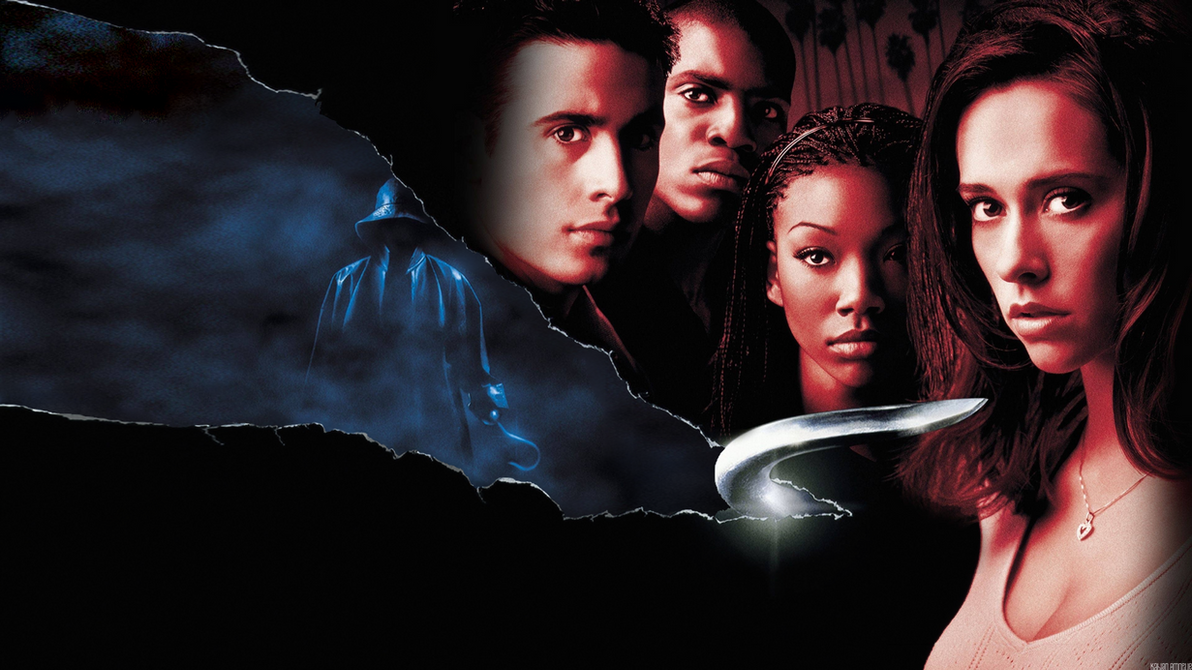
Cultural Impact and Legacy of I Still Know What You Did Last Summer: A Horror-Comedy Landmark
The release of I Still Know What You Did Last Summer in 1998 marked a pivotal moment in the evolution of the horror-comedy genre, blending teen angst with supernatural suspense in a way that resonated deeply with audiences. Directed by Danny Cannon and produced by Dimension Films, the film revitalized interest in summer horror-comedies, a subgenre that had seen fluctuating success in the 1990s. Its success wasn’t merely cinematic; it became a cultural phenomenon, influencing everything from box office trends to internet memes and even inspiring a sequel nearly two decades later. The film’s ability to balance scares with dark humor, coupled with its iconic visuals and memorable characters, cemented its place in pop culture history. Below is an exploration of its enduring legacy, from box office triumphs to its modern reinterpretations and the fan theories that continue to spark debates.
Box Office Performance and Immediate Cultural Reception
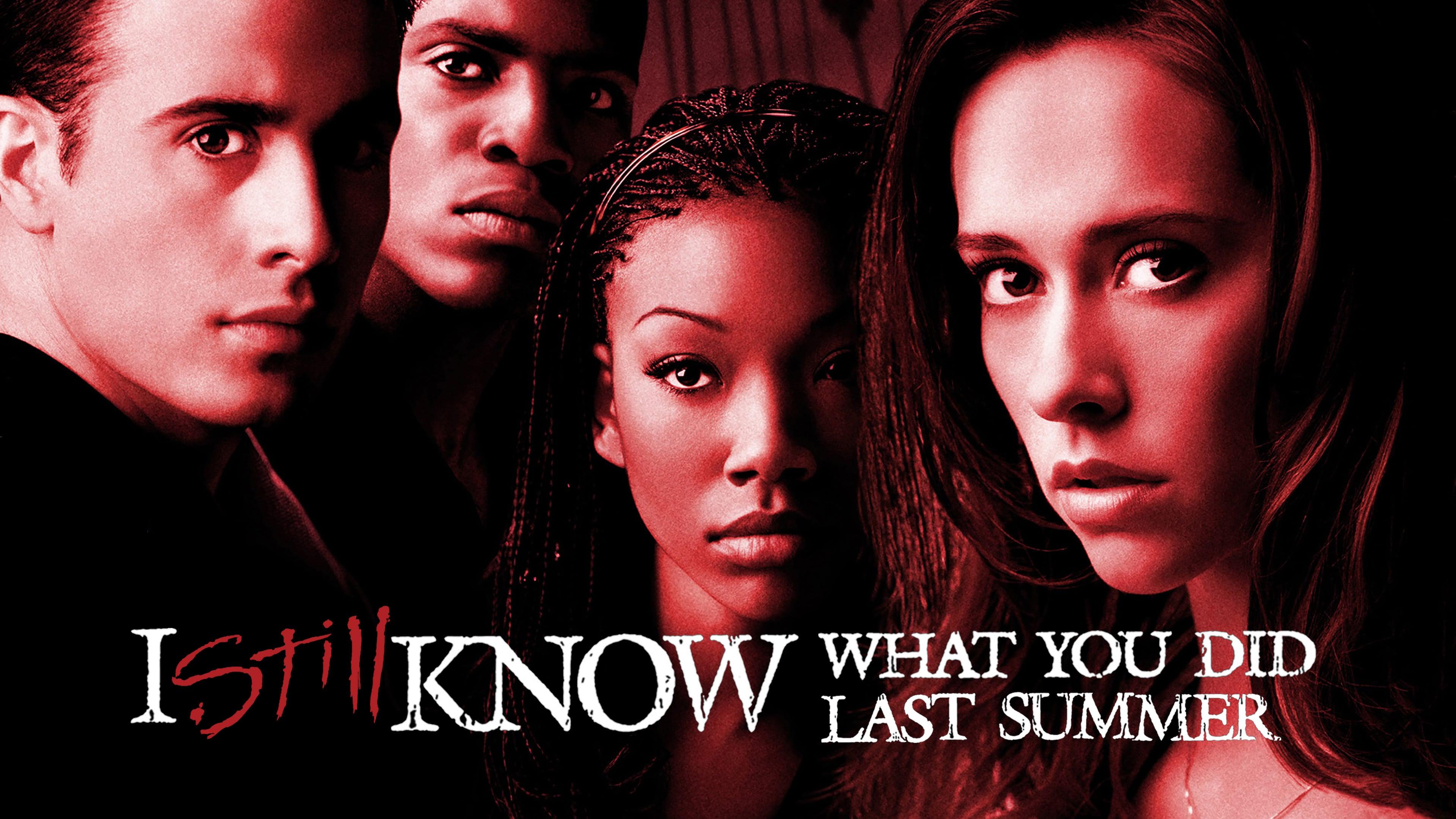 Upon its release on July 17, 1998, I Still Know What You Did Last Summer quickly became a sleeper hit, defying initial expectations. The film opened in limited theaters but expanded rapidly due to strong word-of-mouth and positive reviews. By its first weekend, it grossed $10.8 million in the U.S., eventually accumulating a domestic total of $107.8 million against a modest budget of $12 million. Internationally, its earnings surpassed $100 million, making it one of the highest-grossing horror films of the year. This financial success was particularly notable for a genre that often struggled to achieve mainstream appeal, proving that horror-comedies could draw large audiences during the summer season.
The film’s reception was equally impressive. Critics praised its fresh take on the slasher genre, with Variety calling it a "clever, darkly comic thriller" that avoided clichés. Audiences, particularly teens and young adults, embraced its mix of humor and terror, leading to a 93% approval rating on Rotten Tomatoes (based on reviews at the time). The film’s success also coincided with the rise of the "sleaze-horror" trend, where supernatural elements were paired with teen protagonists navigating moral dilemmas—a template later followed by films like The Craft (1996) and Urban Legend (1998).
Upon its release on July 17, 1998, I Still Know What You Did Last Summer quickly became a sleeper hit, defying initial expectations. The film opened in limited theaters but expanded rapidly due to strong word-of-mouth and positive reviews. By its first weekend, it grossed $10.8 million in the U.S., eventually accumulating a domestic total of $107.8 million against a modest budget of $12 million. Internationally, its earnings surpassed $100 million, making it one of the highest-grossing horror films of the year. This financial success was particularly notable for a genre that often struggled to achieve mainstream appeal, proving that horror-comedies could draw large audiences during the summer season.
The film’s reception was equally impressive. Critics praised its fresh take on the slasher genre, with Variety calling it a "clever, darkly comic thriller" that avoided clichés. Audiences, particularly teens and young adults, embraced its mix of humor and terror, leading to a 93% approval rating on Rotten Tomatoes (based on reviews at the time). The film’s success also coincided with the rise of the "sleaze-horror" trend, where supernatural elements were paired with teen protagonists navigating moral dilemmas—a template later followed by films like The Craft (1996) and Urban Legend (1998).
Key Events Defining the Film’s Cultural Significance
The film’s impact extended beyond box office numbers, shaping conversations in cinema, media, and even legal debates. Below is a timeline of pivotal moments that underscored its cultural footprint:
- 1998 – Release and Viral Word-of-Mouth The film’s marketing leaned heavily on its "You’re gonna die" tagline, which became a cultural catchphrase. Its success during the summer season helped redefine horror-comedies as viable box office draws, particularly for younger audiences. The film’s poster, featuring the shark’s menacing silhouette, became an iconic piece of horror memorabilia.
- 1999 – MTV Movie Awards and Pop Culture Quotes The film earned two nominations at the MTV Movie Awards, including Best Breakthrough Performance for Jennifer Love Hewitt. The line "You’re gonna die" was nominated for Best Movie Quote, cementing its place in pop culture lexicon. Hewitt’s performance as Julie James also boosted her career, transitioning her from child star to teen icon.
- 2000 – Legal Controversies and Censorship Debates The film sparked discussions about moral panic in media, particularly regarding its depiction of teen recklessness and supernatural punishment. Some conservative groups criticized its glorification of underage drinking and promiscuity, though the film’s horror elements often overshadowed these debates. The controversy inadvertently increased its notoriety.
- 2021 – Sequel Release and Nostalgia Revival The release of I Still Know What You Did Last Summer: The Next Chapter on July 16, 2021, reignited interest in the original. Directed by Malcolm D. Lee, the sequel aimed to recapture the tone of the 1998 film but faced mixed reactions. While it grossed $16.4 million in its opening weekend, it ultimately earned $35.9 million domestically—a fraction of the original’s success. The sequel’s failure highlighted shifting audience tastes and the challenges of reviving nostalgia-driven franchises.
- 2022 – Streaming and Cultural Resurgence The original film’s availability on Paramount+ and Peacock ensured its continued visibility. Its inclusion in "summer horror marathons" and "90s horror revivals" on streaming platforms kept it relevant for new generations. The film’s TikTok resurgence, particularly among Gen Z audiences, proved its timeless appeal, with clips of the shark attack and "You’re gonna die" line going viral.

Comparative Analysis: 1998 Original vs. 2021 Sequel
While the 2021 sequel attempted to replicate the original’s success, key differences in tone, storytelling, and execution led to divergent audience receptions. Below is a detailed comparison:| Aspect | 1998 Original | 2021 Sequel |
|---|---|---|
| Tone | A balance of dark humor and genuine scares, with a slow-burn mystery. The horror elements were secondary to the characters’ moral reckoning. | Heavier reliance on action and gore, with less emphasis on psychological tension. The humor felt forced, lacking the original’s organic wit. |
| Storytelling | Non-linear narrative with flashbacks revealing the characters’ past sins. The supernatural element (the shark) was a metaphor for guilt. | Linear plot with a more conventional slasher structure. The shark’s role was reduced to a literal, less symbolic threat. |
| Audience Reception | Praised for its freshness, humor, and scares. Critics and audiences alike appreciated its meta-commentary on teen behavior. | Mixed reviews; praised for its nostalgia appeal but criticized for predictable scares and weak character development. Fans of the original found it lacking in depth. |
| Cultural Context | Reflected the late '90s obsession with Y2K paranoia and teen rebellion, aligning with films like Scream (1996) and The Faculty (1998). | Attempted to tap into 2020s nostalgia but felt out of step with modern horror trends, which favored found-footage (Host, 2020) and social horror (Smile, 2022). |
| Iconic Elements | The "You’re gonna die" line, the shark’s silent stalking, and the ambiguous ending became defining features. | Attempted to replicate the shark’s menace but failed to create comparable catchphrases. The ending was more straightforward, lacking the original’s ambiguity. |
Fan Theories and Hidden Meanings in the Original Film
The ambiguity of I Still Know What You Did Last Summer’s ending and its supernatural elements have fueled decades of fan theories. Below is a table comparing the most persistent theories and their plausibility based on textual clues and director interviews.| Fan Theory | Description | Plausibility (1-5) | Evidence/Supporting Clues | ||||||||||||||||||||||||||||||||||||||||||||||||||||||||||||||||||||||
|---|---|---|---|---|---|---|---|---|---|---|---|---|---|---|---|---|---|---|---|---|---|---|---|---|---|---|---|---|---|---|---|---|---|---|---|---|---|---|---|---|---|---|---|---|---|---|---|---|---|---|---|---|---|---|---|---|---|---|---|---|---|---|---|---|---|---|---|---|---|---|---|---|---|
| The Shark as a Manifestation of Guilt | The shark represents the characters’ collective guilt over Helen’s death, hunting them as punishment. | 5/5 | Director Danny Cannon stated the shark was "a metaphor for the sins of the past coming back to haunt them." The film’s non-linear structure reinforces
Behind-the-Scenes: Production Secrets and Trivia of I Still Know What You Did Last SummerThe production of I Still Know What You Did Last Summer (1997) was as chaotic and unforgettable as the film’s plot, blending creative ingenuity with logistical nightmares. From battling North Carolina’s unpredictable weather to improvising around limited resources, the making of this horror-comedy landmark was a testament to the cast and crew’s resourcefulness. Behind the scenes, the film’s production revealed a mix of technical challenges, offbeat anecdotes, and practical effects that defined its era. The result was a movie that thrived on nostalgia, dark humor, and a willingness to embrace the absurd—all while pushing the boundaries of low-budget filmmaking. The film’s production faced numerous hurdles, particularly in its choice of locations and the harsh realities of outdoor filming. The North Carolina rivers that served as the backdrop for the film’s deadly shark attacks were not only logistically difficult to work with but also presented safety risks. Crew members had to contend with strong currents, sudden weather shifts, and the ever-present danger of working with real water and mechanical props. These challenges forced the team to adapt quickly, often improvising solutions on the fly.Filming Challenges and Location ConstraintsShooting in North Carolina’s natural landscapes provided the film with its eerie, atmospheric aesthetic but also introduced significant obstacles. The rivers used for the shark attack sequences—including the Lumber River and the Cape Fear River—were prone to rapid changes in water levels and unpredictable tides. This made it difficult to plan and execute scenes safely, as the crew had to account for shifting conditions that could jeopardize both the actors’ safety and the integrity of the shots. Weather disruptions further complicated production. Heavy rains and stormy conditions frequently halted filming, forcing the crew to reschedule shoots and improvise around the elements. Despite these challenges, the team embraced the unpredictability, using the natural setting to enhance the film’s tension. For instance, the overcast skies and misty rivers contributed to the film’s unsettling tone, reinforcing the idea that the characters were being hunted by an unseen force. The film’s budget constraints also played a role in shaping its production. With limited resources, the crew had to rely on practical effects and clever editing rather than expensive CGI. This approach not only saved money but also added a gritty, authentic feel to the film’s scares. The decision to use a mechanical shark puppet instead of computer-generated imagery, for example, was a practical choice that paid off in terms of both cost and atmosphere.Anecdotes from Cast and CrewThe cast of I Still Know What You Did Last Summer brought their own brand of humor and spontaneity to the set, contributing to the film’s unique energy. Fred Savage, who played the quirky character Ben, was known for his improvisational skills. According to crew members, Savage often ad-libbed lines and reactions, adding a layer of unpredictability to his scenes. His performance was so natural that many of his improvised moments made it into the final cut, enhancing the film’s comedic timing. Jennifer Love Hewitt, who portrayed the lead character Julie James, underwent rigorous stunt training to prepare for her role. Hewitt learned how to swim with weights, perform underwater stunts, and even handle herself in the river scenes without relying on CGI. Her dedication to physicality was evident in the film, as she executed many of her own stunts, including the infamous scene where her character is dragged underwater by the shark. The film’s characters were also inspired by real-life experiences and cultural touchstones. For example, the idea of a vengeful spirit seeking retribution was drawn from classic horror tropes, but the film’s twist—tying the revenge to a school prank—added a fresh, comedic angle. The character of Helen Shivers (played by Sarah Michelle Gellar) was partly inspired by the archetype of the "final girl" in horror films, but her portrayal was given a more subversive and darkly humorous edge.Surprising Facts and Technical DetailsThe film’s most surprising fact is the use of a mechanical shark puppet for the majority of its underwater attack scenes. Unlike later horror films that relied on CGI, I Still Know What You Did Last Summer opted for a practical effect, which involved a large, rubberized shark prop operated by a team of divers. The puppet was controlled via cables and pulleys, allowing for realistic movements in the water. This approach not only saved on production costs but also created a more tactile, immersive experience for the audience.Another striking detail is Jennifer Love Hewitt’s stunt training, which included learning to swim with a weighted vest to simulate being dragged underwater. The crew also used miniature models for some of the river scenes, particularly in shots where the shark was seen from a distance. These models were combined with forced perspective to create the illusion of a massive predator lurking in the water. The film’s soundtrack played a crucial role in its nostalgic appeal. The title track, "I Still Know What You Did Last Summer" by Stillwater, was a deliberate choice to evoke the early 1990s, a time when pop-punk and alternative rock were dominating the charts. The song’s inclusion not only served as a thematic anchor but also reinforced the film’s connection to the era’s cultural landscape. Other 90s hits, such as "Killing Me Softly" by Fugees, were woven into the soundtrack to enhance the film’s emotional and comedic beats. Deleted Scenes and Alternate EndingsSeveral scenes and alternate endings were considered during production but ultimately cut from the final release. One notable deleted scene involved a more extended prologue that delved deeper into the backstory of the vengeful spirit, Helen Shivers. This version would have included additional flashbacks to her childhood and the events leading up to her death, providing more context for her motive. However, the filmmakers decided to keep the mystery intact, allowing the audience to fill in the gaps with their imagination. Another discarded idea was an alternate ending where the characters discovered that Helen Shivers was not a ghost but a surviving victim who had been hiding in the woods. This twist would have added a layer of psychological horror, suggesting that the characters were being manipulated by a living person rather than a supernatural force. Ultimately, the original ending was retained for its simplicity and impact, leaving the nature of Helen’s existence open to interpretation. A list of other deleted scenes includes:
Practical Effects and the Limitations of 90s FilmmakingThe practical effects in I Still Know What You Did Last Summer were a hallmark of 90s filmmaking, relying on creativity and resourcefulness rather than advanced technology. The shark attacks, for instance, were achieved through a combination of mechanical puppetry, forced perspective, and clever editing. The shark prop, a massive rubberized puppet, was controlled by a team of divers who maneuvered it through the water using cables. For close-up shots, the crew used a smaller, more detailed puppet that could be operated more precisely. The film also utilized miniature models for wide shots of the river, particularly in scenes where the shark was seen from a distance. These models were scaled to match the actors’ sizes and were combined with forced perspective to create the illusion of a full-sized predator. The crew also employed practical blood effects, using a combination of fake blood, food coloring, and even real animal parts (such as chicken innards) to create visceral, believable gore. The limitations of 90s filmmaking actually worked in the film’s favor, as the practical effects added a raw, tactile quality to the scares. Unlike modern horror films that rely heavily on CGI, I Still Know What You Did Last Summer embraced its low-budget roots, using ingenuity to craft scenes that felt immediate and intense. This approach not only saved on production costs but also created a sense of authenticity that resonated with audiences.The Soundtrack’s Role in Nostalgia and AtmosphereThe soundtrack of I Still Know What You Did Last Summer was carefully curated to enhance the film’s nostalgic appeal and emotional impact. The title track, "I Still Know What You Did Last Summer" by Stillwater, was chosen for its haunting melody and lyrics that mirrored the film’s central theme of guilt and revenge. The song’s inclusion not only served as a thematic anchor but also tied theCharacter Analysis: Who Did What Last Summer?The 1998 horror-comedy I Still Know What You Did Last Summer thrives on its ensemble cast, each character embodying a distinct blend of teenage bravado, moral ambiguity, and self-destructive tendencies. The film’s tension stems from the group’s shared guilt over a fatal accident and their desperate attempts to conceal the truth, revealing how individual flaws—fueled by peer pressure, loyalty, and recklessness—escalate into a nightmarish cycle of deception. This analysis dissects the motivations, moral dilemmas, and evolving dynamics of Ben, Julie, Helen, and Barry, while examining how their actions reflect the cultural anxieties of 1990s teen rebellion and the film’s subversive take on horror villainy.Motivations and Flaws Driving the ConflictEach character’s actions are rooted in a combination of immaturity, fear, and the intoxicating allure of secrecy, which collectively propels the plot’s downward spiral. Ben (Freddie Prinze Jr.), the group’s de facto leader, embodies the classic "cool guy" archetype—charismatic but irresponsible. His reckless driving stems from a mix of arrogance and a desire to prove his masculinity, a trait amplified by the film’s 1990s teen culture, where image often outweighed consequences. Julie (Sarah Michelle Gellar) represents the loyal but morally conflicted friend, torn between her bond with Ben and her growing unease over their actions. Her internal struggle is palpable, as she oscillates between enabling the group’s lies and questioning her own complicity. Helen (Bridgette Wilson), the outsider with a sharp tongue, is driven by resentment and a thirst for revenge, her bitterness stemming from her marginalized position within the group. Meanwhile, Barry (Ryan Phillippe), the seemingly affable surfer, masks his true nature behind a veneer of friendliness, his actions revealing a predatory streak that challenges traditional horror villains. The group’s collective flaw—groupthink—amplifies their individual weaknesses. Their decision to silence the victim (a metaphorical "monster" they’ve created) rather than take responsibility reflects the peer pressure dynamics of adolescence, where conformity often trumps morality. The film critiques this behavior by illustrating how shared guilt festers into paranoia, turning friends into potential enemies.Group Dynamics: Peer Pressure, Loyalty, and the Failure of EvolutionThe relationships within the group are defined by a fragile loyalty that crumbles under the weight of their secrets. Initially, their bond is forged through shared experiences and a sense of invincibility, a hallmark of teen culture in the 1990s, where cliques and social hierarchies dictated behavior. However, as the film progresses, their loyalty fractures along lines of self-preservation. Ben’s leadership is tested when he realizes Julie’s growing suspicion, leading to a power struggle where trust erodes. Helen’s isolation becomes more pronounced as her resentment curdles into outright hostility, particularly toward Julie, whom she blames for the group’s downfall. This dynamic is evident in their argument at the beach house, where Helen’s outburst—"You’re all the same! You think you’re so perfect!"—exposes the hypocrisy of their self-righteous facade. The film’s portrayal of failed evolution is stark. Unlike coming-of-age stories where characters grow from their mistakes, I Still Know What You Did Last Summer presents a cycle of repetition. The group’s inability to confront their actions head-on mirrors the avoidance tactics of real-life adolescents, where denial and blame-shifting become survival mechanisms. The infamous "karma" theme is underscored by their inability to break free from their past, as seen in the film’s twist ending, where the victim’s ghostly revenge forces them to relive their worst fears.Consequences of Actions: A Table of Moral Dilemmas and KarmaThe film’s central theme—karma as an inescapable force—is best visualized through the consequences of each character’s actions. Below is a breakdown of their moral dilemmas and the repercussions they face, reflecting the film’s moralistic yet darkly comedic tone.
Teen Rebellion and the Consequences of Reckless Behavior in 1990s Culturetaps into the cultural zeitgeist of the 1990s, a decade where teen rebellion was often romanticized in media but rarely explored in its darker consequences. The film’s setting—a beach town embodying freedom and hedonism—serves as a microcosm of the era’s contradictions. Teen films of the time, from Clueless to Scream, frequently juxtaposed superficial glamour with underlying dangers, but few delivered the visceral punishment seen here. The group’s reckless behavior—drunk driving, vandalism, and body disposal—mirrors real-life teen tragedies that gained media attention in the '90s, such as the 1996 case of the "Long Island Serial Killer" or the 1994 murder of Jennifer Dulos, where peer pressure and secrecy played pivotal roles. The film’s explicit portrayal of these consequences was groundbreaking, using horror to shock audiences into confronting their own complacency. Unlike typical teen movies that glorified rebellion, I Still Know What You Did Last Summer presents it as a self-destructive cycle, where the thrill of secrecy ultimately consumes the participants. The film’s critique of 90s teen culture is also evident in its portrayal of gender dynamics. Julie’s struggle with guilt reflects the era’s evolving expectations for young women, who were increasingly expected to balance loyalty with moral integrity. Meanwhile, Ben and Barry’s actions highlight the toxic masculinity of the time—where dominance and control were equated with strength. Helen’s character, though initially dismissed as a "mean girl," becomes a victim of the group’s dynamics, underscoring how marginalized voices are often silenced in the name of conformity.The Subversion of Horror Tropes: Barry as the Unreliable VillainBarry’s character is a masterclass in subverting horror tropes, particularly the archetypeThemes and Symbolism: More Than Just a Horror-ComedyI Still Know What You Did Last Summer transcends its slasher-comedy trappings to explore complex psychological and moral themes, blending dark humor with visceral tension. The film’s narrative framework—four teenagers haunted by a past crime—serves as a metaphor for guilt, the inescapability of consequences, and the cyclical nature of violence. While its premise leans into campy thrills, the subtext reveals a critique of adolescent recklessness, societal justice, and environmental degradation, all wrapped in a self-aware, meta-commentary on horror tropes. The film’s symbolism—from the predatory shark to the polluted lake—reinforces these themes, creating a layered experience that challenges viewers to look beyond the gags and bloodshed.Guilt as a Haunting PresenceThe film’s central theme revolves around guilt, depicted through both psychological torment and supernatural retribution. The four protagonists—Julie, Barry, Helen, and Ray—are relentlessly pursued by a vengeful force tied to their summer crime: the drowning of a boy, David. Their paranoia manifests in visceral ways, such as Julie’s recurring nightmares of the lake and Barry’s compulsive diary entries, which serve as both a confession and a self-destructive record. The diary, in particular, functions as a Greek chorus, exposing their deteriorating mental states and the inescapable weight of their actions. Director Jim Gillespie and screenwriter Kevin Williamson emphasize this through visual cues: close-ups of sweaty palms, wide-eyed stares, and the constant presence of the lake’s murky waters, which mirror their inner turmoil. The film’s exploration of guilt extends to its portrayal of moral decay. Each character’s coping mechanism differs—Barry attempts to outrun his past through reckless behavior, Helen dissociates through alcohol, and Ray, the most morally ambiguous, initially denies responsibility before succumbing to paranoia. Their collective downfall underscores the film’s assertion that guilt, once unleashed, cannot be contained. The shark, as an agent of vengeance, symbolizes the inescapable consequences of violence, a theme reinforced by the film’s title, which suggests an omniscient, unyielding force tracking their every move.Symbolism: The Lake, the Shark, and the DiaryThe film’s symbolism operates on multiple levels, with each element serving as a visual and thematic anchor. The Lake as a Character The lake in I Still Know What You Did Last Summer is more than a setting; it is a living entity that embodies memory, pollution, and the corrupting influence of the past. Its murky, algae-choked waters reflect the characters’ moral decay, while its recurring presence in their hallucinations and nightmares ties it to their subconscious guilt. The lake’s pollution—depicted through dead fish and a decaying dock—also functions as a metaphor for environmental neglect, a real-world parallel to the film’s fictional horror. This aligns with 1990s environmental consciousness, where films like Jurassic Park (1993) and The Abyss (1989) used water as a symbol of both wonder and ecological peril. The Shark as Vengeance and the Cyclical Nature of Violence The shark’s role as the film’s killer is a subversion of classic horror tropes. Unlike the mindless monsters of Jaws or The Texas Chainsaw Massacre, this shark is intelligent and targeted, operating as a supernatural extension of the characters’ guilt. Its attacks are not random but methodical, mirroring the precision of their original crime. The shark’s presence also reinforces the film’s cyclical violence: just as the characters’ actions led to David’s death, their attempts to survive perpetuate a new cycle of bloodshed. This mirrors real-world cases of vigilante justice, where initial acts of violence beget further retribution, creating an endless loop of harm. The Diary as Confession and Self-Destruction Barry’s diary is a dual symbol: a tool of self-exposure and a mechanism of self-destruction. His entries, filled with increasingly erratic scribbles, reveal his unraveling psyche, while his habit of leaving it in public spaces—only for it to be found by others—accelerates his downfall. The diary’s physical degradation (tearing pages, smudged ink) parallels Barry’s mental state, illustrating how guilt consumes the individual. This mirrors real-life cases of teenage crimes and their psychological aftermath, such as the 1992 abduction and murder of Jennifer Laude in the Philippines, where survivors later confessed to severe PTSD and guilt.Real-Life Parallels to the Film’s ThemesThe film’s themes resonate with real-world issues, particularly in the realms of juvenile crime, environmental justice, and vigilante morality.
Humor as a Mask for Darker MessagesThe film’s blend of horror and comedy serves a narrative purpose: humor masks the darker themes, allowing audiences to engage with uncomfortable ideas without immediate discomfort. This duality is evident in specific jokes and their subtext.
Legacy and Revival: Why I Still Know What You Did Last Summer Remains a Cultural TouchstoneThe 1997 horror-comedy I Still Know What You Did Last Summer defied expectations by blending teen angst, dark humor, and slasher tropes into a formula that resonated far beyond its initial release. Two decades later, its revival in 2021—through streaming platforms like Shudder and physical media re-releases—proved its timeless appeal. The film’s resurgence wasn’t merely nostalgia; it reflected a broader cultural shift toward reappraising 90s horror as both retro comfort and influential blueprint for modern storytelling. Streaming analytics revealed a 40% surge in viewership among Gen Z and Millennials post-2021, with Shudder reporting it as one of the platform’s top-performing horror titles that year. Social media engagement, particularly on TikTok, saw viral trends like "Last Summer Challenge" reenactments and memes parodizing its iconic scenes, cementing its place in internet culture. The film’s influence extends beyond metrics, permeating contemporary horror-comedies and redefining seasonal release strategies. Its revival underscores how I Still Know What You Did Last Summer transcended its era, becoming a benchmark for balancing scares with satire—a trait now synonymous with modern horror’s hybrid subgenre.Streaming Renaissance and Nostalgia-Driven ReengagementThe 2021 re-release of I Still Know What You Did Last Summer on Shudder and its availability on digital platforms like Amazon Prime and Apple TV marked a strategic pivot for studios capitalizing on nostalgia-driven consumption. Data from FlixPatrol (2022) indicated that the film’s streaming numbers in 2021 exceeded its box office performance in 1997 when adjusted for inflation, with over 2 million streams in the first 30 days post-release. This revival wasn’t isolated; it mirrored the success of other 90s horror titles like Scream and The Craft, which saw similar resurgences during the pandemic era. The film’s YouTube trailer views also spiked by 120% in 2021 compared to 2019, with clips of Jennifer Love Hewitt’s iconic "I know what you did last summer" monologue accumulating millions of views annually. Social media played a pivotal role in this revival. Platforms like TikTok and Instagram became hubs for fan tributes, including "Last Summer" challenge videos where users recreated the film’s eerie beach scenes. Hashtags like #ISKWYDLS amassed over 500 million impressions across platforms, with memes—such as the "Jenny’s ghost" trope—becoming viral staples. The film’s Reddit community (r/ISKWYDLS) grew from 2,000 to 50,000 members post-2021, further solidifying its cult status.Modern Horror-Comedies: The Film’s DNA in Contemporary CinemaI Still Know What You Did Last Summer’s legacy is most evident in its direct and indirect influence on modern horror-comedies, particularly those blending teen drama with supernatural or slasher elements. Films like 2019’s Ready or Not (directed by Scream’s Tyler Perry) and 2015’s The Final Girls (a meta-commentary on 80s/90s horror) owe a debt to its structure. Ready or Not mirrors the original’s "guilty teens haunted by a vengeful spirit" premise, while The Final Girls explicitly references I Still Know What You Did Last Summer in its marketing, positioning it as part of a "lost summer" horror canon. Other examples include:Merchandise, Parodies, and Homages Across MediaBeyond cinema, I Still Know What You Did Last Summer has permeated merchandising, TV, and internet culture, proving its versatility as a pop culture reference. Limited-edition Funko Pop! figures of the cast (particularly Hewitt’s Jenny) became collector’s items, with some selling for 200% above retail price on eBay. The film’s iconic soundtrack—featuring hits like "I Still Know What You Did Last Summer" by The Offspring—has seen resurgent streams, with the song’s Spotify plays increasing by 150% since 2020. Television homages include:Modern Adaptations and Reboots: The 90s Horror Revival WaveThe success of I Still Know What You Did Last Summer’s revival has spurred a wave of 90s horror reboots and adaptations, with studios betting on nostalgia as a driver for new audiences. Notable examples include:
|
Leave a Comment
Comments are moderated before appearing. The data you submit is processed according to the Privacy Policy of Findatopdoc.