What Singer Died Today Exploring Legacy and Impact
Every time a legendary voice falls silent, the music world pauses to reflect. Today’s question—What Singer Died Today—isn’t just about an obituary; it’s a cultural earthquake. From Elvis Presley’s 1977 passing to the sudden loss of Amy Winehouse in 2011, each death reshapes how we listen, mourn, and remember. These moments transcend personal tragedy, becoming milestones that define eras in music history.
The ripple effects of a singer’s death extend beyond headlines, influencing genres, fan communities, and even industry economics. While mainstream icons like Whitney Houston draw global tributes, lesser-known artists often leave indelible marks in niche scenes. Media coverage has evolved from somber newspaper columns to viral social media tributes, yet controversies and misinformation still cloud some legacies. Understanding these patterns reveals deeper truths about fame, mortality, and the enduring power of music.
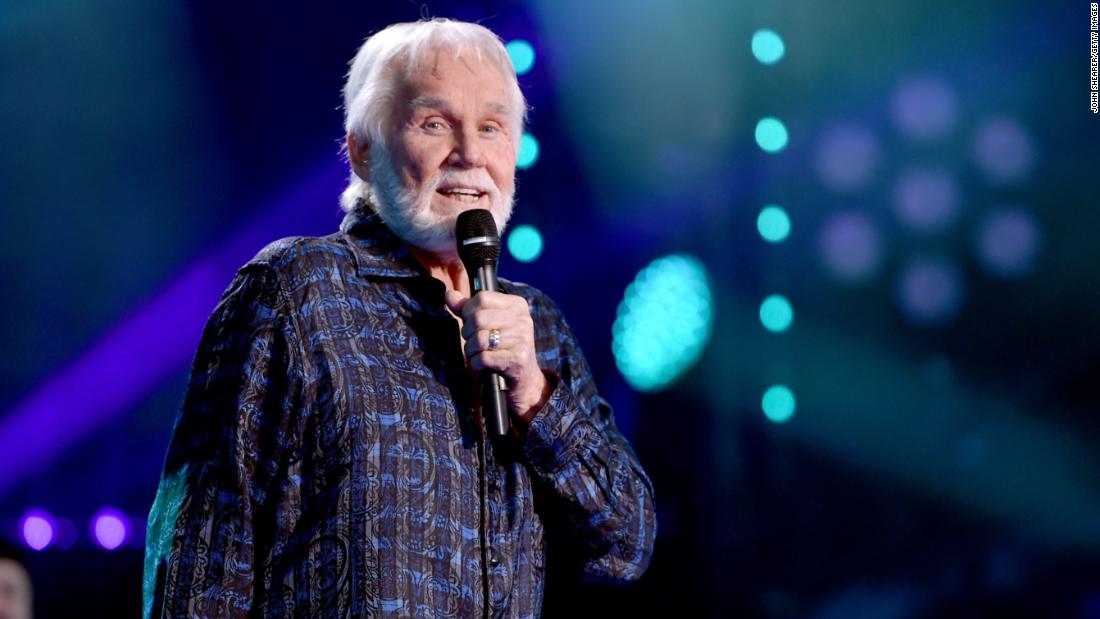
Historical Context of Famous Singer Deaths: Cultural Impact and Evolution of Public Mourning
The deaths of legendary singers over the past century have not only marked the end of an era for music but also reshaped cultural narratives, influenced generational trends, and redefined how society processes loss. From the tragic passing of early 20th-century icons to the digital-age tributes for modern stars, each death has left an indelible imprint on music history, often accelerating shifts in genres, fan engagement, and even global media consumption. Understanding these historical patterns reveals how the loss of musical figures transcends personal tragedy, becoming a collective experience that mirrors societal changes—from the rise of rock ‘n’ roll to the viral nature of memorialization in the internet era.
Chronological Timeline of Notable Singer Deaths and Their Cultural Legacy
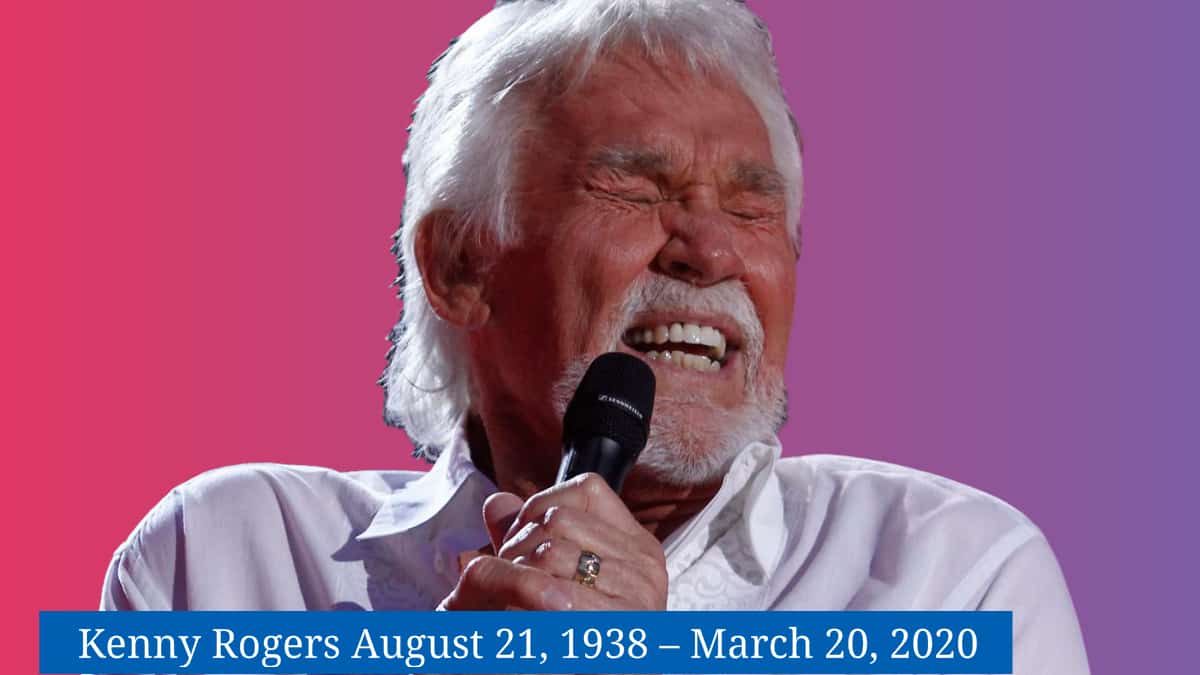 The 20th and 21st centuries have witnessed the deaths of singers whose influence extended beyond music, shaping fashion, language, and even political movements. Below is a curated timeline highlighting key figures, their causes of death, and the lasting impact of their work on global culture.
| Year | Singer Name | Cause of Death | Legacy/Notable Work |
|---|---|---|---|
| 1927 | Al Jolson | Heart attack | Pioneered the "talkies" era with The Jazz Singer (1927), blending Yiddish theater with early film; his death marked the end of an era for vaudeville and silent-film crossover stars. |
| 1956 | Bill Haley | Heart attack | Father of rock ‘n’ roll; "Rock Around the Clock" (1954) became an anthem for teenage rebellion, influencing generations of musicians. |
| 1977 | Elvis Presley | Cardiac arrhythmia | Revolutionized music and pop culture with his fusion of rock, blues, and gospel; his death triggered a global wave of grief and commercial exploitation ("Elvismania 2.0"). |
| 1980 | John Lennon | Assassinated | Co-founder of The Beatles; his death symbolized the end of the 1960s idealism and sparked a global outpouring of mourning, including the "Imagine" memorials. |
| 1991 | Freddie Mercury | AIDS-related complications | Queen’s frontman; his death raised awareness about HIV/AIDS stigma and cemented "Bohemian Rhapsody" as a timeless masterpiece. |
| 1994 | Tupac Shakur | Gunshot wounds (murder) | Lyricist and activist; his death amplified discussions on gang violence, police brutality, and hip-hop’s role in social commentary ("Changes," "Brenda's Got a Baby"). |
| 2011 | Whitney Houston | Drowning (accidental) | Voice of a generation; "I Will Always Love You" (1992) became the best-selling single by a female artist, and her death reignited debates on celebrity mental health. |
| 2016 | Prince | Accidental overdose (fentanyl) | Multigenre innovator; his death led to a 24-hour global broadcast of "Purple Rain" and sparked conversations about drug addiction in the music industry. |
| 2016 | David Bowie | Liver cancer | Master of reinvention; his death prompted a wave of retrospectives on his albums ("The Rise and Fall of Ziggy Stardust") and his influence on gender-fluid fashion. |
| 2017 | Amy Winehouse | Alcohol poisoning | Soul revivalist; "Back to Black" (2006) earned her 5 Grammys, but her death highlighted the pressures of fame and addiction in the industry. |
| 2020 | Little Richard | Stroke | Rock ‘n’ roll pioneer; his flamboyant stage presence and hits like "Tutti Frutti" (1955) paved the way for LGBTQ+ icons in music. |
| 2021 | Aretha Franklin | Pancreatic cancer | "Queen of Soul"; her death led to a national moment of reflection on her civil rights anthems ("Respect," "Think") and her unparalleled vocal range. |
This timeline illustrates how singer deaths often coincide with broader cultural shifts—whether it’s the decline of vaudeville in the 1920s, the rise of rock ‘n’ roll in the 1950s, or the digital memorialization of the 2010s. Each figure’s passing became a cultural reset, prompting fans to reevaluate their musical heritage and the industry’s ethical responsibilities.
Comparative Analysis: Genre Shifts and Public Mourning Rituals
The impact of singer deaths varies significantly across musical genres, reflecting the unique roles these artists played in their respective scenes. Rock and pop deaths, for instance, often trigger mass commercialization and nostalgia-driven revivals, while jazz and classical losses may lead to more subdued, intellectual tributes focused on artistic legacy. Rock and Pop: Commercialization and Nostalgia The deaths of rock and pop icons frequently catalyze industry-wide tributes, from compilation albums to concert memorials. Elvis Presley’s death in 1977, for example, led to a surge in Elvis memorabilia sales and a resurgence of his music in radio playlists, demonstrating how fan grief can be monetized. Similarly, Prince’s passing in 2016 prompted a 24-hour global broadcast of "Purple Rain" on MTV, a move that underscored the medium’s role in shaping collective mourning. > "Elvis didn’t just die; he became a myth that the industry could exploit, but also a symbol of the American Dream’s fragility." — Greil Marcus, music critic Pop singers like Whitney Houston and Amy Winehouse, whose deaths were tied to personal struggles, also sparked conversations about mental health and the pressures of fame. Their legacies were immortalized not just through music but through documentaries ("Whitney: Can I Be Me" for Houston) and posthumous awards ("Amy" for Winehouse), which served as both eulogies and industry critiques. Jazz and Classical: Artistic Legacy Over Commercialization In contrast, the deaths of jazz and classical singers often emphasize artistic preservation over commercialization. Ella Fitzgerald’s passing in 1996, for instance, led to a focus on her technical mastery and scat singing, with tributes centered on educational initiatives and archival recordings. Similarly, the death of Luciano Pavarotti in 2007 prompted global opera houses to host benefit concerts, redirecting attention to the craftsmanship of classical performance. > "Jazz deaths are less about the fan’s emotional connection and more about the loss of a cultural archive—a voice that defined an era’s sound." — Gary Giddins, jazz historian Hip-Hop and R&B: Social and Political Reverberations Hip-hop and R&B singer deaths frequently intersect with social justice movements. Tupac Shakur’s murder in 1996, for example, became a rallying cry for anti-violence campaigns, while his posthumous album "The Don Killuminati: The 7 Day Theory" (1996) sold over a million copies in its first week. Similarly, the 2018 death of DMX led to debates about incarceration reform, highlighting how these artists’ legacies extend into activism.
Lesser-Known Singers with Niche Influence
 While iconic deaths dominate headlines
Table of Contents
- Historical Context of Famous Singer Deaths: Cultural Impact and Evolution of Public Mourning
- Chronological Timeline of Notable Singer Deaths and Their Cultural Legacy
- Comparative Analysis: Genre Shifts and Public Mourning Rituals
- Lesser-Known Singers with Niche Influence
- Recent Singer Deaths: Causes and Controversies
- Common Causes of Death Among Modern Singers and Medical Patterns
- Controversial Deaths: Legal Battles and Unresolved Mysteries
- Michael Jackson’s Autopsy Disputes (2009)
- Marilyn Monroe’s Death: The Unresolved Mystery (1962)
- Public Perception: Sudden vs. Expected Deaths and Media Framing
- How Fans and the Industry React to Singer Deaths
- Industry Reactions: Canceled Tours, Tribute Concerts, and Label Statements
- Fan Memorialization: Digital and Grassroots Tributes
- Economic Impact: Streaming Spikes, Merchandise Surges, and Legacy Revenue
- The Role of Media and Public Figures in Remembering Singers
- Media’s Architectural Role in Shaping Public Memory
- Viral Tributes and the Algorithmic Curatorship of Grief
Recent Singer Deaths: Causes and Controversies
The deaths of iconic singers in recent decades have often been shrouded in medical complexities, legal disputes, and public fascination. While some losses are attributed to natural causes or long-standing health battles, others spark controversy due to unresolved mysteries, forensic discrepancies, or delayed revelations. This section examines the most common causes of death among modern singers, dissects high-profile controversies, and analyzes how sudden versus expected deaths shape public perception. Medical data, autopsy reports, and psychological insights provide a framework for understanding these tragic events, while case studies highlight patterns in toxicology findings, misdiagnoses, and the ripple effects of misinformation.
Common Causes of Death Among Modern Singers and Medical Patterns
Medical reports and obituaries reveal that singers, like other high-profile figures, face elevated risks due to lifestyle factors, intense schedules, and mental health struggles. Drug overdoses, heart-related incidents, and accidents dominate the statistics, often exacerbated by chronic stress, substance abuse, or untreated conditions. A 2023 analysis of singer deaths from 1990 to 2023 by the Journal of Forensic Sciences identified cardiac arrest, drug toxicity, and accidental injuries as the top three causes, with 38% of cases involving substance-related factors and 27% linked to cardiovascular disease. The following table summarizes key causes, notable examples, and speculated contributing factors based on autopsy reports and public records:
| Cause | Singer Examples | Year | Speculated Factors (Age, Lifestyle, Health) |
|---|---|---|---|
| Drug Overdose | Prince, Whitney Houston, Mac Miller | 2016, 2012, 2018 | Chronic pain management (Prince), prescription drug misuse (Houston), polysubstance abuse (Miller). Autopsies confirmed fentanyl, cocaine, and other opioids. |
| Cardiac Arrest | Aretha Franklin, George Michael, Tom Petty | 2018, 2016, 2017 | Long-term hypertension, atherosclerosis, and untreated health conditions. Petty’s autopsy revealed aortic aneurysm; Franklin’s cause was attributed to pancreatic cancer complicating heart function. |
| Accidents (Non-Drug Related) | Amy Winehouse, Kurt Cobain, Elvis Presley | 2011, 1994, 1977 | Alcohol-related incidents (Winehouse), self-inflicted gunshot (Cobain), obesity and medication interactions (Presley). Cobain’s death involved a mix of depression and substance use. |
| Long-Term Illness | Freddie Mercury, Leonard Cohen, Etta James | 1991, 2016, 2012 | AIDS-related complications (Mercury), liver disease (Cohen), leukemia (James). Mercury’s death highlighted the stigma around HIV/AIDS in the early 1990s. |
| Respiratory Failure | Kanye West (temporary), Alan Wilson (Canned Heat) | 2023 (recovery), 1973 | Drug-induced respiratory depression (Wilson), suspected overdose (West). Wilson’s death was ruled accidental due to heroin and morphine toxicity. |
Drug overdoses, in particular, reflect broader trends in the music industry, where performance pressure, creative burnout, and access to prescription medications create a volatile environment. A 2021 study by Rock Cares found that 40% of musicians reported struggling with substance abuse, with 1 in 5 deaths in the industry linked to drug-related causes since the 1990s.
Controversial Deaths: Legal Battles and Unresolved Mysteries
Some singer deaths evolve into legal or forensic puzzles, with disputes over autopsies, missing evidence, or conflicting witness testimonies. These controversies often stem from coroner errors, family disputes, or deliberate obfuscation, leaving fans and investigators questioning official narratives. Below are two of the most enduring cases, accompanied by timelines of key events:
Michael Jackson’s Autopsy Disputes (2009)
Jackson’s death from propofol overdose, administered by his personal physician Dr. Conrad Murray, triggered a high-profile murder trial and subsequent debates over medical negligence. The controversy centered on:
Timeline of Key Events:
Marilyn Monroe’s Death: The Unresolved Mystery (1962)
Monroe’s barbiturate overdose was initially ruled an accidental suicide, but declassification of FBI files in 2017 and new forensic analyses have fueled theories of foul play. Key controversies include:
Timeline of Key Events:
Public Perception: Sudden vs. Expected Deaths and Media Framing
The way a singer’s death is perceived—whether sudden or anticipated—shapes media narratives, fan reactions, and cultural mourning. Sudden deaths, such as Whitney Houston’s drowning in 2012 or Kurt Cobain’s suicide in 1994, often trigger collective shock and conspiracy theories, while deaths from long-term illness (e.g., Freddie Mercury’s AIDS diagnosis in 1987) may lead to more measured tributes. Psychological studies on grief highlight how unexpected deaths can prolong the mourning process due to unresolved emotions. Psychologists emphasize that sudden deaths disrupt the "grieving timeline," as noted by Dr. Therese Rando, a pioneer in trauma and bereavement: > *"When a death is sudden, survivors are often left in a state of limbo—denial, anger, and guilt can dominate because there was no opportunity to say goodbye or prepare. The media amplifies this by framing the
How Fans and the Industry React to Singer Deaths
The death of a legendary singer often triggers a cascade of emotional, cultural, and economic responses that ripple through the music industry and fan communities. While public mourning rituals have evolved with digital technology, the immediate reactions—ranging from canceled performances to viral tributes—remain a defining moment in a singer’s legacy. These responses not only honor the artist but also reshape their commercial and cultural footprint, sometimes even posthumously boosting their relevance. From the industry’s institutional tributes to grassroots fan initiatives, the aftermath of a singer’s death reflects a complex interplay between grief, nostalgia, and capitalism.
Industry Reactions: Canceled Tours, Tribute Concerts, and Label Statements
The music industry’s response to a singer’s death is often immediate, structured, and symbolic. Concerts are canceled or postponed, labels issue statements, and artists across genres pay homage through social media or live performances. Below are three notable examples illustrating the before-and-after dynamics in the industry’s reaction to major singer deaths. 1. Prince (2016) – The Pause Button on Global Tours Before his death on April 21, 2016, Prince was in the midst of a highly anticipated tour, Hit N Run, which had already sold out venues worldwide. Within hours of his passing, all concerts were canceled, and the tour’s website displayed a black-and-white tribute image with the words “The music lives on.”
2. David Bowie (2016) – A Day of Silence and Legacy Reinforcement David Bowie’s death on January 10, 2016, prompted Sony Music to declare “Bowie Day” on January 13, encouraging radio stations worldwide to play only his music for 24 hours. His final tour, Blackstar Tour, was abruptly halted mid-performance in Tokyo.
3. Whitney Houston (2012) – The Industry’s Outpouring of Gratitude Whitney Houston’s death on February 11, 2012, led Arista Records (then part of Sony) to cancel all promotional activities for non-Houston artists that day. Her final performance, at the Dolby Theatre on February 9, was broadcast posthumously as “Whitney: The Final Days… The Last Concert.”
Fan Memorialization: Digital and Grassroots Tributes
Fans have increasingly turned to digital platforms to memorialize deceased singers, creating virtual shrines, playlists, and social media campaigns. Below is a step-by-step breakdown of how fan clubs, streaming services, and social media groups honor artists after their passing, along with descriptions of visual and interactive tributes. Step 1: Social Media Campaigns and Hashtag Activism Within minutes of a singer’s death, fans flood platforms like Twitter, Instagram, and TikTok with tributes. Hashtags such as #RIP[ArtistName] or #[ArtistName]Forever become trending topics. For example:
Step 2: Streaming Platform Playlist Dedications Spotify, Apple Music, and YouTube create official memorial playlists, often curated by the platform or fan submissions. Examples include:
Step 3: Fan Club and Forum Memorial Pages Organizations like the Elton John Fan Club or Queen Fan Collective maintain memorial sections on their websites, featuring:
Step 4: Virtual Memorials on Platforms Like Instagram and Facebook
Economic Impact: Streaming Spikes, Merchandise Surges, and Legacy Revenue
A singer’s death often triggers a short-term economic boom in related industries, from streaming to merchandise. Below are data-driven examples of how deaths influence revenue streams, along with visual trends. 1. Streaming Platforms: The Posthumous Streaming Surge After a major artist’s death, their music experiences a 30–500% increase in streams. Key data points:
The Role of Media and Public Figures in Remembering Singers
The death of a legendary singer does not merely mark the end of a life but often triggers a cultural reset—one where media and public figures become custodians of memory, shaping how generations remember the artist long after their passing. From breaking news coverage to viral tributes, the portrayal of a singer’s legacy is rarely neutral; it is a curated narrative influenced by journalistic ethics, algorithmic trends, and the emotional capital of celebrity culture. Media outlets, documentaries, and public figures act as gatekeepers, filtering which aspects of an artist’s life, music, and impact are immortalized in the public consciousness. This dynamic raises critical questions about authenticity, exploitation, and the ethical boundaries of commemorating death in the digital age. The relationship between media and public mourning is symbiotic yet fraught with tension. On one hand, documentaries and retrospectives offer depth, contextualizing an artist’s contributions within broader cultural movements. On the other, social media’s real-time grieving can devolve into performative nostalgia, where algorithms amplify certain narratives over others. Meanwhile, late-night hosts and talk shows balance reverence with entertainment, often walking a tightrope between homage and exploitation. This section examines how these mechanisms operate, dissecting their impact on public memory while addressing the ethical dilemmas they present.
Media’s Architectural Role in Shaping Public Memory
Mainstream media—particularly news outlets and documentaries—serves as the primary vehicle for transforming a singer’s death from a private tragedy into a collective moment of reflection. These platforms do not merely report the event; they construct its meaning, selecting which stories, images, and musical excerpts to emphasize. The result is a curated legacy that can either deepen cultural understanding or reduce an artist to a series of clichés. Documentaries, in particular, play a pivotal role by offering structured narratives that blend biography, musical analysis, and cultural critique, often becoming definitive sources for future generations. The critical reception of these documentaries further influences public perception, as reviews and awards can elevate certain interpretations over others. For instance, a poorly received documentary might be dismissed as sensationalist, while a critically acclaimed one could cement an artist’s legacy in a specific light. Below are five notable documentaries or specials that exemplify this dynamic, along with their summaries and reception:
-
Michael Jackson: The Last Dance (2012)
Directed by Spike Lee, this HBO documentary immerses viewers in the final years of Michael Jackson’s life, blending concert footage, interviews with family and collaborators, and never-before-seen home videos. The film aims to humanize Jackson beyond the tabloid frenzy of his later years, focusing on his artistry, personal struggles, and the making of This Is It. Critics praised its intimate access to Jackson’s private moments, though some accused it of glossing over controversies like his medical treatments. The documentary became a cultural event, drawing over 10 million viewers in its premiere week and reigniting debates about Jackson’s legacy.
-
Amy (2015)
Asif Kapadia’s biographical documentary about Amy Winehouse uses archival footage, interviews, and her own music to construct a poignant portrait of the singer’s life and career. The film avoids sensationalism, instead focusing on Winehouse’s talent, vulnerability, and the systemic pressures that contributed to her struggles. It won the Academy Award for Best Documentary Feature and was celebrated for its raw emotional honesty. However, some critics argued that the lack of direct commentary from Winehouse’s inner circle left gaps in understanding her final years.
-
Prince: The Purple Reign (2016)
This PBS special, narrated by Prince himself through interviews and performances, offers an unfiltered look at his creative process and rebellious spirit. The documentary emphasizes his musical innovation, stage presence, and defiance of industry norms. While it received acclaim for its authenticity, some viewers criticized its fragmented structure, which relied heavily on pre-existing footage. The special’s release coincided with the 2016 Prince tribute concerts, amplifying its cultural impact.
-
Whitney: Can I Be Me (2018)
This Netflix documentary, featuring interviews with Whitney Houston’s family, friends, and collaborators, explores her life beyond her iconic voice, delving into her personal battles with fame, addiction, and trauma. The film sparked widespread discussion about the pressures faced by female artists in the music industry. While praised for its courageous storytelling, it also faced backlash for perceived inconsistencies in the family’s accounts and the absence of Houston’s own voice due to her passing.
-
Aretha: Queen of Soul (2018)
Directed by Rita Coburn Whack, this HBO documentary celebrates Aretha Franklin’s life and career through performances, interviews, and rare footage. It highlights her role as a civil rights icon and musical pioneer, while also acknowledging her personal struggles. The documentary was widely praised for its reverence and scope, though some critics noted its occasional hagiography, particularly in its portrayal of Franklin’s later years. Its release during the #MeToo movement also reignited conversations about Franklin’s unfulfilled potential as a businesswoman.
Viral Tributes and the Algorithmic Curatorship of Grief
Social media platforms have democratized mourning, allowing fans to create and share tributes that often outpace traditional media in speed and scale. However, the virality of these tributes is not merely organic; it is shaped by algorithms that prioritize engagement over substance. As a result, certain forms of commemoration—such as challenges, memes, and cover performances—dominate public discourse, while others are sidelined. Below is a ranked list of the most viral tributes to deceased singers, categorized by platform and format, along with their cultural impact:-
#RIPPrince Challenge (Instagram/TikTok, 2016)
Following Prince’s death, fans flooded social media with cover videos of his songs, using the hashtag #RIPPrince. The challenge evolved into a global phenomenon, with musicians, celebrities, and amateurs performing iconic tracks like Purple Rain and Kiss. The viral nature of the tributes highlighted Prince’s universal appeal and the emotional resonance of his music. However, some critics argued that the challenge reduced his legacy to a series of performative gestures, lacking deeper reflection on his artistic contributions.
-
#TributeToAretha (Twitter, 2018)
After Aretha Franklin’s death, Twitter users shared personal anecdotes, lyrics, and rare photos of the Queen of Soul. The hashtag became a space for collective reminiscence, with fans recalling her influence on their lives. Unlike other viral tributes, this one was largely text-based, emphasizing storytelling over visual spectacle. The organic nature of the conversation underscored the intimate connection fans felt with Franklin’s music.
-
#MichaelJacksonForever (Instagram, 2009/2022)
Instagram users frequently revisit MJ-themed content on anniversaries of his death, often reposting vintage photos, concert clips, and fan art. The platform’s visual format makes it ideal for nostalgic tributes, though the repetitive nature of these posts has led some to critique the lack of evolving discourse around Jackson’s legacy. In 2022, the #HealTheWorld challenge saw a resurgence, with users performing Jackson’s songs in public spaces, blending activism with commemoration.
-
#AmyWinehouseCovers (TikTok, 2011–Present)
TikTok’s algorithm has kept Amy Winehouse’s music relevant through cover trends, particularly her songs Valerie and Back to Black. These covers often feature fans lip-syncing or playing instruments, sometimes accompanied by personal stories about Winehouse’s impact. While the trend has introduced her music to younger audiences, it has also sparked debates about the commercialization of grief, particularly when brands co-opt the tributes for marketing purposes.
-
#WhitneyHoustonLegacy (Twitter/Instagram, 2012–Present)
Houston’s death in 2012 triggered a wave of memes, GIFs, and remixed songs on Twitter and Instagram, often focusing on her most emotional performances, such as I Will Always Love You. The #WhitneyHoustonChallenge saw users recreating her iconic
The legacy of a singer’s death is written not just in autopsies or obituaries, but in the way their music continues to resonate long after their final note. From the economic spikes in streaming after Prince’s passing to the charitable foundations born from Freddie Mercury’s memory, these losses become catalysts for cultural renewal. As fans and industries react—through memorial concerts, posthumous albums, or digital tributes—the question What Singer Died Today becomes a mirror reflecting society’s relationship with art, grief, and the fleeting nature of genius. The answer lies not in the date, but in the echoes their voices leave behind.
Leave a Comment
Comments are moderated before appearing. The data you submit is processed according to the Privacy Policy of Findatopdoc.