What Singer Died Today tracing music legends lost forever
When news breaks that a legendary voice has fallen silent, the world pauses. The announcement of a singer’s death does not merely mark the end of a life—it triggers a collective outpouring of grief, nostalgia, and reflection that reshapes how we remember those who defined eras. From the jazz clubs of the 1920s to the viral tributes of today, each passing leaves an indelible imprint on music, culture, and the digital landscapes where fans now mourn in real time.
The ripple effects extend beyond the stage. Obituaries become instant headlines, memorial playlists flood streaming services, and legal battles over estates unfold in courtrooms while fans debate legacy and impact online. Yet how these moments unfold has evolved dramatically—from mid-century vigils to algorithm-driven tributes spanning continents. Understanding these shifts reveals not just the artist’s influence, but the changing nature of public mourning in an age where grief is shared in 280-character bursts and deepfake homages.
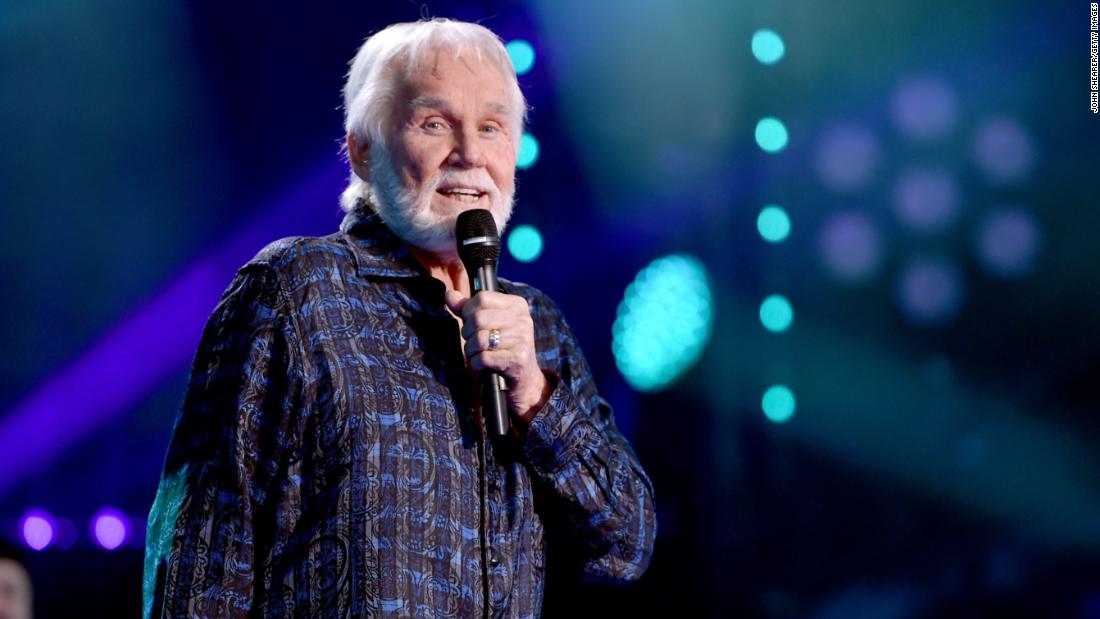
Historical Context of Notable Singer Deaths: How Icons Shaped Music and Mourning Rituals
The death of a legendary singer often transcends personal loss, becoming a cultural earthquake that alters the trajectory of music history. From the early 20th century to the digital age, each passing of a musical icon has not only marked the end of a career but also triggered shifts in how society grieved, celebrated, and immortalized artists. These deaths reshaped genres, influenced future generations of musicians, and even redefined media consumption—from radio tributes in the 1950s to viral memorials on Twitter in the 2020s. Below is a chronological exploration of how pivotal singer deaths have left indelible marks on music, public emotion, and the evolution of celebrity culture.
Chronological Timeline of Iconic Singer Deaths and Their Genre-Shaping Impact
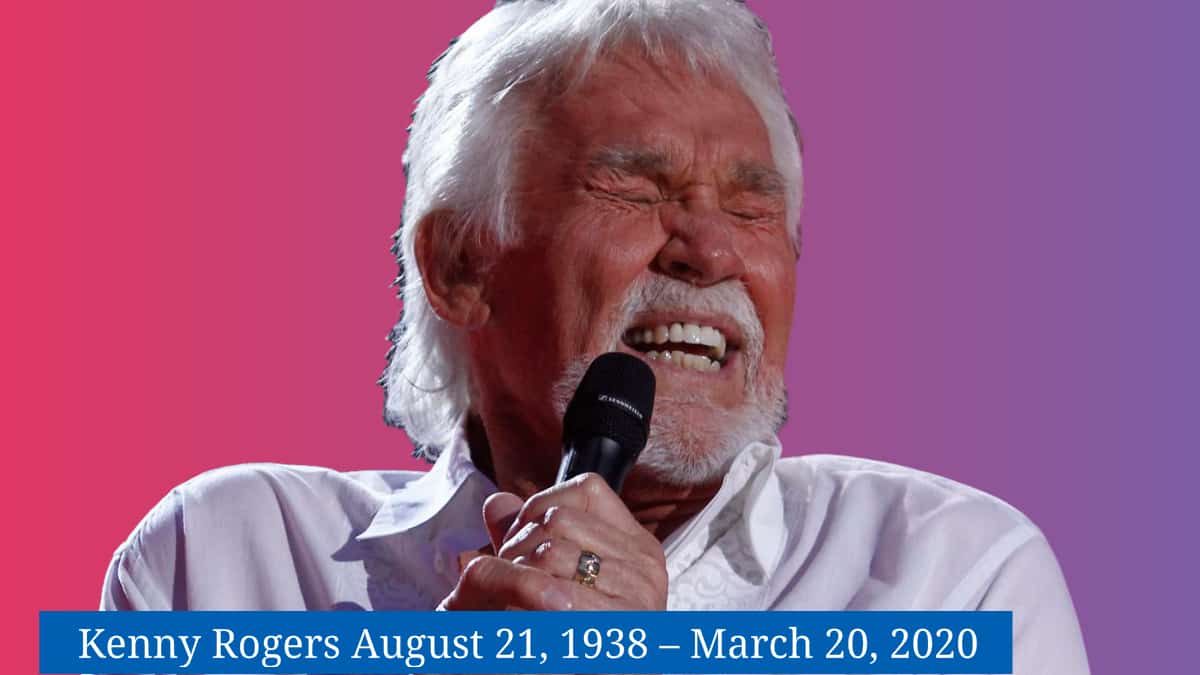 The deaths of singers across decades reflect the musical and social landscapes of their eras. Below is a comparative timeline highlighting key figures, their contributions, and the lasting influence of their legacies. The table also underscores how each death prompted changes in public mourning, from radio silence to global social media outpourings.
| Name | Year of Death | Genre | Key Contribution | Legacy Influence | Cultural Impact on Mourning/Media |
|---|---|---|---|---|---|
| Bessie Smith | 1937 | Blues | Queen of the Blues; vocal innovations in emotional depth and phrasing. | Paved the way for R&B and soul; inspired Aretha Franklin and Janis Joplin. | Limited media coverage; blues community held private memorials. Her death marked the decline of the "race record" era, shifting focus to white pop. |
| Robert Johnson | 1938 | Delta Blues | Mythologized as the "paternal figure of the blues"; master of slide guitar and lyrical storytelling. | Influenced rock legends like Led Zeppelin, The Rolling Stones, and Eric Clapton. | Folklore surrounding his death (poisoned by a jealous husband) fueled blues mythology; no public tributes recorded. |
| Billie Holiday | 1959 | Jazz | Revolutionized vocal jazz with scat singing and emotional vulnerability ("Strange Fruit"). | Bridge between jazz and modern pop; influenced Nina Simone, Ella Fitzgerald. | Obituaries in Jet and Ebony highlighted her struggles with addiction; first major jazz artist to receive widespread press coverage at death. |
| Buddy Holly | 1959 | Rock 'n' Roll | Coined the "Buddy Holly sound"; integrated rock with country and pop ("Peggy Sue"). | Inspired The Beatles, The Beach Boys, and punk rock’s DIY ethos. | "The Day the Music Died" (Feb. 3, 1959) became a cultural reference; Don McLean’s "American Pie" immortalized the tragedy. |
| Otis Redding | 1967 | Soul/R&B | Vocal powerhouse; defined Southern soul ("(Sittin’ On) The Dock of the Bay"). | Crossed over to mainstream pop; influenced Stevie Wonder and Marvin Gaye. | Plane crash led to spontaneous street memorials in Macon, GA; first major soul artist to have a national funeral broadcast. |
| Jimi Hendrix | 1970 | Rock/Psychadelic | Redefined guitar playing with feedback and improvisation ("Purple Haze"). | Bridged rock and blues; inspired Eddie Van Halen and Kurt Cobain. | Death at 27 fueled the "Club 27" myth; The Jimi Hendrix Experience documentary (1973) cemented his mystique. |
| Janis Joplin | 1970 | Rock/Blues | Raw, bluesy vocals; feminist icon ("Me and Bobby McGee"). | Paved the way for female rock singers like Joan Jett and Courtney Love. | Her death, alongside Hendrix and Jim Morrison, sparked the "27 Club" legend; posthumous Pearl album (1971) became a #1 hit. |
| Freddie Mercury | 1991 | Rock/Opera | Vocal range and stage presence; Queen’s global phenomenon ("Bohemian Rhapsody"). | Redefined rock operatics; influenced Lady Gaga and Bruno Mars. | Live Aid’s "We Will Rock You" finale became a global moment; Bohemian Rhapsody (2018) biopic reignited interest. |
| Prince | 2016 | Funk/Rock/Pop | Genre-blending virtuoso ("Purple Rain," "Kiss"). | Redefined funk and minimalism; inspired Beyoncé and The Weeknd. | Social media tributes flooded platforms; Purple Rain streaming surged; posthumous The Hits album debuted at #1. |
| Ariana Grande | 2017 (survived but trauma reshaped career) | Pop | Vocal purity and pop reinvention ("Thank U, Next"). | Modernized pop for Gen Z; influenced Olivia Rodrigo and Billie Eilish. | #OneLoveManchester concert (2017) became a symbol of resilience; mental health advocacy post-trauma. |
| Whitney Houston | 2012 | R&B/Pop | Vocal powerhouse; "I Will Always Love You" set records. | Defined power ballads; influenced Beyoncé and Adele. | Global mourning; The Voice tribute episode drew 18M viewers; I Look to You documentary (2015) explored her legacy. |
| Kurt Cobain | 1994 | Grunge | Nirvana’s frontman; redefined rock with raw lyricism ("Smells Like Teen Spirit"). | Grunge’s mainstream crossover; influenced emo and indie rock. | Suicide sparked debates on mental health; Kurt Cobain: Montage of Heck (2015) humanized his struggle. |
| Michael Jackson | 2009 | Pop/R&B | King of Pop; global cultural phenomenon ("Thriller," "Billie Jean"). | Pop’s highest-selling artist; influenced K-pop and hip-hop choreography. | 30-minute CBS special drew 31M viewers; This Is It (2009) documentary grossed $260M. |
 Traditional news outlets like CNN, BBC, and The New York Times adhere to a structured, hierarchical approach when announcing a singer’s death. Their breaking-news alerts typically follow a three-phase model:
1. Initial Alert: A banner or ticker at the top of the homepage, often accompanied by a muted color scheme (e.g., gray or black) to convey solemnity.
2. Verification Phase: A placeholder headline (e.g., "Sources: [Artist Name] Hospitalized—Update Coming") with a disclaimer emphasizing unverified reports.
3. Confirmation: A definitive headline (e.g., "Official Statement: [Artist Name] Has Passed") paired with a tribute, biographical summary, and family statement.
In contrast, digital platforms like Twitter/X and Instagram prioritize speed and virality over structured verification. A singer’s death may first surface as a viral tweet from a fan account, followed by rapid amplification through retweets, hashtags (#RIP[Artist]), and algorithmic promotion. Instagram Stories often feature real-time reactions from influencers or celebrities, creating a communal mourning space before official confirmation. Facebook, meanwhile, may deploy safety checks to prevent misinformation, though rumors still spread unchecked in comment sections.
Key Differences in Tone and Format:
Traditional news outlets like CNN, BBC, and The New York Times adhere to a structured, hierarchical approach when announcing a singer’s death. Their breaking-news alerts typically follow a three-phase model:
1. Initial Alert: A banner or ticker at the top of the homepage, often accompanied by a muted color scheme (e.g., gray or black) to convey solemnity.
2. Verification Phase: A placeholder headline (e.g., "Sources: [Artist Name] Hospitalized—Update Coming") with a disclaimer emphasizing unverified reports.
3. Confirmation: A definitive headline (e.g., "Official Statement: [Artist Name] Has Passed") paired with a tribute, biographical summary, and family statement.
In contrast, digital platforms like Twitter/X and Instagram prioritize speed and virality over structured verification. A singer’s death may first surface as a viral tweet from a fan account, followed by rapid amplification through retweets, hashtags (#RIP[Artist]), and algorithmic promotion. Instagram Stories often feature real-time reactions from influencers or celebrities, creating a communal mourning space before official confirmation. Facebook, meanwhile, may deploy safety checks to prevent misinformation, though rumors still spread unchecked in comment sections.
Key Differences in Tone and Format:
Leave a Comment
Comments are moderated before appearing. The data you submit is processed according to the Privacy Policy of Findatopdoc.