What Are The Eligibility Criteria For Youtube Shorts Creator Payments Explained
YouTube Shorts has reshaped how creators monetize short-form content, offering a direct revenue stream tied to views and engagement. Since its 2020 launch, the program has evolved into a critical income source for creators, but navigating its eligibility remains a challenge. Unlike traditional YouTube Partner Program earnings, Shorts payments rely on distinct metrics—watch time, retention, and audience demographics—while excluding long-form content from payout calculations. This system demands a strategic approach, as creators must balance viral potential with YouTube’s algorithmic demands to qualify.
The distinction between Shorts payments and other platforms like TikTok or Instagram Reels further complicates the process, with YouTube’s revenue-sharing model favoring creators who consistently produce high-retention content. While TikTok’s Creator Fund distributes earnings based on average daily viewers, YouTube’s system prioritizes engagement depth over sheer view counts. This shift forces creators to refine their content strategies, from hook optimization to leveraging trending audio, to meet the 10-million-view threshold within 90 days—a hurdle that separates profitable Shorts channels from those struggling to monetize.
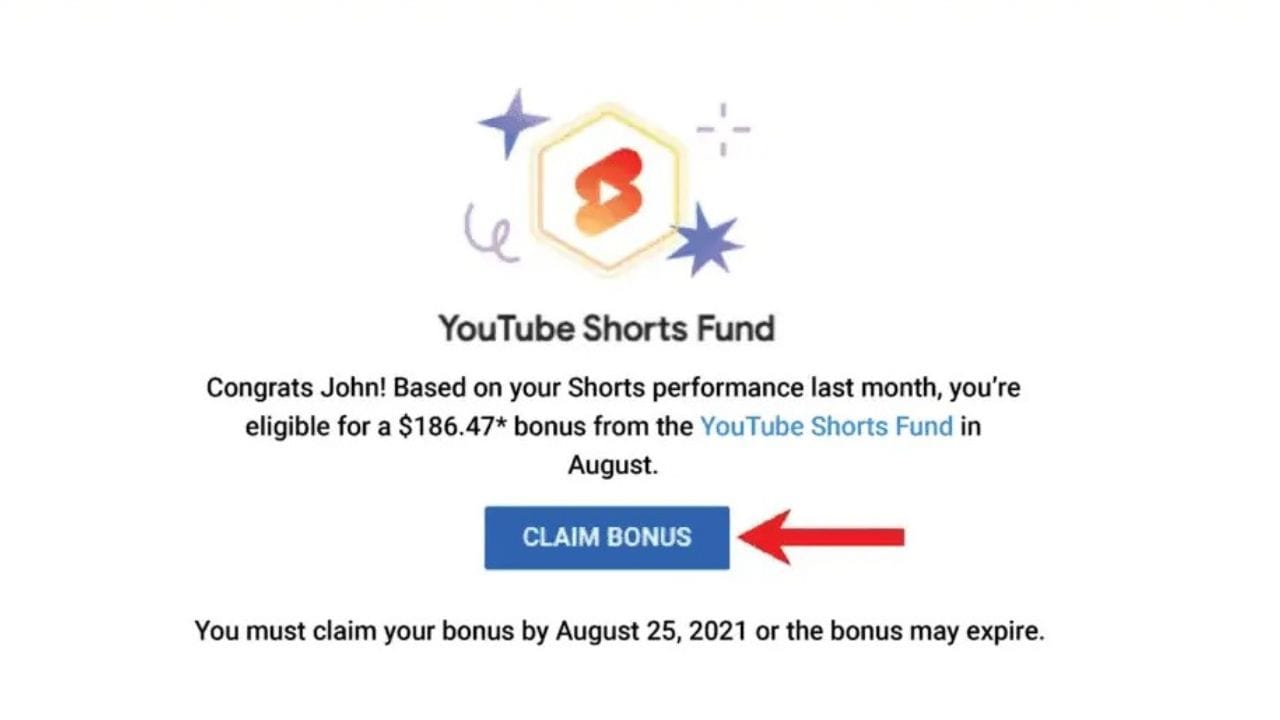
Understanding YouTube Shorts Creator Payments: An Overview
YouTube Shorts Creator Payments represent a pivotal evolution in the platform’s monetization strategy, designed to incentivize creators to produce engaging short-form content while competing with rising platforms like TikTok and Instagram Reels. Launched in February 2021 as a response to the global surge in short-video consumption, the program officially expanded to creators in March 2022 in the U.S., Canada, and Mexico, with gradual rollouts to other regions. Initially, the program aimed to bridge the gap between YouTube’s traditional monetization (via the YouTube Partner Program) and the explosive growth of short-form video content, which dominated user engagement despite lacking direct monetization avenues. Unlike traditional long-form video revenue, which relies heavily on ad placements and sponsorships, YouTube Shorts Creator Payments introduced a revenue-sharing model tied to viewer engagement metrics, signaling YouTube’s commitment to rewarding creators based on performance rather than just content volume. The program’s integration into YouTube’s broader monetization ecosystem reflects a strategic shift toward multi-revenue-stream sustainability, where creators can earn from both Shorts and long-form content simultaneously. This dual-income approach aligns with YouTube’s goal of retaining creators amid competition from platforms offering standalone short-form monetization, such as TikTok’s Creator Fund and Instagram’s Reels Bonuses. However, the eligibility criteria, payout structures, and performance-based rewards of YouTube Shorts differ significantly from traditional YPP, requiring creators to adapt their content strategies to maximize earnings across both formats.
Evolution and Objectives of YouTube Shorts Creator Payments
 YouTube Shorts was conceived as a direct competitor to TikTok and Instagram Reels, platforms that had already established robust creator monetization frameworks. The introduction of Creator Payments in 2022 marked a critical milestone, as it provided creators with a direct financial incentive to produce Shorts, rather than relying solely on indirect benefits like brand partnerships or long-term subscriber growth. The program’s primary objectives include:
Initially, the program was tested in select regions before scaling globally, with YouTube emphasizing that payouts would be performance-driven, unlike the fixed revenue share of the YouTube Partner Program (YPP). This approach ensures that creators earn based on actual viewer interaction, such as watch time, shares, and likes, rather than just ad impressions. The evolution of the program has also seen adjustments in payout thresholds, revenue-sharing percentages, and eligibility requirements, reflecting YouTube’s iterative strategy to balance creator incentives with platform profitability.
Key Differences Between YouTube Shorts Creator Payments and YouTube Partner Program (YPP)
While both programs aim to monetize creator content, their structures, eligibility criteria, and revenue models differ fundamentally. The YouTube Partner Program (YPP) focuses on long-form content, requiring creators to meet 1,000 subscribers and 4,000 watch hours (or 10M Shorts views) within 12 months, with earnings derived from ad revenue, channel memberships, and Super Chats. In contrast, YouTube Shorts Creator Payments operates on a separate, engagement-based revenue model with distinct eligibility and payout mechanisms. Revenue-Sharing Models:
Payout Thresholds and Frequency:
Table of Contents
- Understanding YouTube Shorts Creator Payments: An Overview
- Evolution and Objectives of YouTube Shorts Creator Payments
- Key Differences Between YouTube Shorts Creator Payments and YouTube Partner Program (YPP)
- Current Structure of YouTube Shorts Payouts: How Earnings Are Calculated
- Core Eligibility Requirements for YouTube Shorts Creator Payments
- Minimum Technical Requirements for Shorts Creator Payments
- Step-by-Step Guide to Verify Eligibility for Shorts Creator Payments
- Watch Time and Engagement Metrics Prioritized for Shorts Payments
- Real-World Examples Step-by-Step Process to Enroll and Optimize for YouTube Shorts Creator Payments The path to earning revenue through YouTube Shorts Creator Payments begins with a structured enrollment process and strategic content optimization. Creators must navigate YouTube’s requirements—from linking an AdSense account to enabling monetization—while simultaneously refining their Shorts to meet performance benchmarks. This section outlines the precise steps for enrollment, best practices for content optimization, and data-driven tactics to maximize earnings potential. By leveraging YouTube Studio tools and analyzing high-performing Shorts, creators can systematically improve watch time, retention, and eligibility for payments. Enrollment Process for YouTube Shorts Creator Payments
- Step-by-Step Enrollment Instructions
- Optimizing Shorts Content for Higher Earnings
- Best Practices for High-Earning Shorts
- Maximizing Watch Time and Retention
- Side-by-Side Comparison: Low-Performing vs. High-Performing Shorts
Eligibility Prerequisites:
Performance-Based vs. Ad-Driven Revenue:
Current Structure of YouTube Shorts Payouts: How Earnings Are Calculated
 YouTube Shorts Creator Payments operate on a complex, algorithm-driven revenue model that prioritizes viewer engagement over sheer view count. Unlike traditional ad revenue, which is calculated per impression, Shorts payouts are influenced by multiple factors, including:
How Revenue is Allocated: YouTube pools ad revenue generated from Shorts and distributes a portion to creators based on their share of total watch time. For example:
Example Calculation: A creator earns $50 in a month from Shorts with 500,000 views.
Comparison with Other Platforms: While YouTube Shorts Creator Payments offer higher earning potential than TikTok’s Creator Fund or Instagram’s Reels Bonuses, the revenue structure is less transparent. Below is a comparative table highlighting key differences:
| Metric | YouTube Shorts Creator Payments | YouTube Partner Program (YPP) | TikTok Creator Fund | Instagram Reels Bonuses | ||||||
|---|---|---|---|---|---|---|---|---|---|---|
| Payout Frequency | Monthly (around 21st) | Monthly (via AdSense) | Monthly (via PayPal) | Monthly (via PayPal or Meta Pay) | ||||||
| Revenue per 1,000 Views (Estimated) | $0.01–$0.10 (varies by engagement) | $1–$10 (ad-driven, varies by region) | $0.02–$0.05 (fixed rate) | $0.01–$0.03 (bon
Core Eligibility Requirements for YouTube Shorts Creator PaymentsYouTube Shorts Creator Payments represent a direct revenue stream for creators who consistently produce engaging, high-quality short-form content. However, qualifying for these payments requires adherence to a structured set of eligibility criteria, which include technical thresholds, content compliance, and performance metrics. Understanding these requirements is critical for creators aiming to monetize their Shorts effectively. This section dissects the non-negotiable technical prerequisites, performance benchmarks, and historical compliance factors that determine eligibility, alongside actionable insights to optimize a channel’s chances of qualification.Minimum Technical Requirements for Shorts Creator PaymentsTo qualify for YouTube Shorts Creator Payments, a channel must meet specific technical and operational criteria established by YouTube. These requirements ensure that creators maintain a baseline level of activity, engagement, and compliance before accessing monetization. The core technical prerequisites include:Step-by-Step Guide to Verify Eligibility for Shorts Creator PaymentsVerifying eligibility for Shorts Creator Payments involves a systematic review of a channel’s performance, compliance status, and technical setup. Below is a structured approach to assess and confirm eligibility: 1. Confirm YouTube Partner Program EnrollmentWatch Time and Engagement Metrics Prioritized for Shorts PaymentsYouTube’s algorithm for Shorts payments emphasizes watch time retention and engagement signals as primary indicators of content quality and audience interest. Unlike traditional long-form content, Shorts rely on quick, high-impact interactions, making these metrics critical for eligibility. Key Metrics and Their Importance YouTube evaluates the following performance indicators to determine Shorts payment eligibility:Real-World Examples
|
| Factor | Low-Performing Short | High-Performing Short |
|---|---|---|
| Thumbnail Design | Blurry, text-heavy, or generic (e.g., default YouTube icon). | High-contrast, bold text, and a central focal point (e.g., a shocked face with "YOU WON’T BELIEVE THIS"). | Meeting YouTube Shorts Creator Payments eligibility is not just about hitting view targets; it’s about mastering the algorithm’s nuances while maintaining channel health. From resolving past strikes to structuring content for maximum retention, every detail matters. By combining data-driven analytics with creative experimentation, creators can turn Shorts into a sustainable revenue stream. The key lies in persistence—adapting strategies based on performance trends and staying ahead of YouTube’s evolving monetization policies. For those who crack the code, the payoff extends beyond financial gains to long-term channel growth and audience loyalty.
Leave a Comment
Comments are moderated before appearing. The data you submit is processed according to the Privacy Policy of Findatopdoc.