Education topics for speeches sharpen college students skills in english
Table of Contents
- Understanding the Importance of Speech Topics in College Education
- Enhancing Critical Thinking and Public Speaking Skills Through Speech Topics
- Cognitive and Professional Benefits of Researching and Delivering Educational Speeches
- Real-World Scenarios Where Speeches Influenced Academic and Career Opportunities
- Fostering Intellectual Curiosity and Interdisciplinary Learning Through Speeches
- Building Confidence and Leadership Qualities in Diverse Group Settings
- Comparative Analysis: Impact of Impromptu vs. Prepared Speeches on Engagement and Credibility
- Trending Educational Topics for College Speeches in 2024: Bridging Tradition with Contemporary Relevance
- Ten Emerging Trends in Education for College Speeches
- Comparative Analysis: Traditional vs. Modern Educational Topics
- Integrating Global Issues into Speeches for Relevance
- Structuring a Persuasive Speech on Education for Maximum Impact
- Anatomy of a High-Impact Speech: From Hook to Call-to-Action
- Templates for Opening Statements That Grab Attention
- Structuring the Body: Problem-Solution, Cause-Effect, and Comparison Frameworks
- Tools and Techniques for Researching Educational Speech Topics
- Leveraging Academic Databases for Credible Educational Research
- Evaluating Online Sources for Reliability in Educational Research
- Conducting Interviews and Surveys for Firsthand Educational Insights
- Synthesizing Information from Multiple Sources into a Cohesive Speech Narrative
- Primary vs. Secondary Sources in Educational Speeches: Strategic Applications
- Organized Note-Taking Systems for Efficient Speech Research
College speeches on education are not just assignments—they are powerful tools that sharpen critical thinking, refine communication skills, and open doors to academic and professional opportunities. In an era where articulate expression is a cornerstone of leadership, selecting the right topic can transform a student from a passive listener into a confident advocate for change. Whether debating the future of AI in classrooms or exploring the psychological benefits of inclusive learning, these speeches bridge theory and real-world impact, fostering intellectual growth that extends beyond textbooks.
The demand for compelling educational discourse has never been higher, as students navigate a global landscape where knowledge is constantly evolving. From climate change literacy to the ethical dilemmas of digital education, trending topics resonate deeply with audiences while challenging speakers to think critically and communicate persuasively. This guide explores how college students can harness the art of speech to amplify their voices, backed by research, structured frameworks, and practical techniques that turn ideas into influential presentations.
Understanding the Importance of Speech Topics in College Education
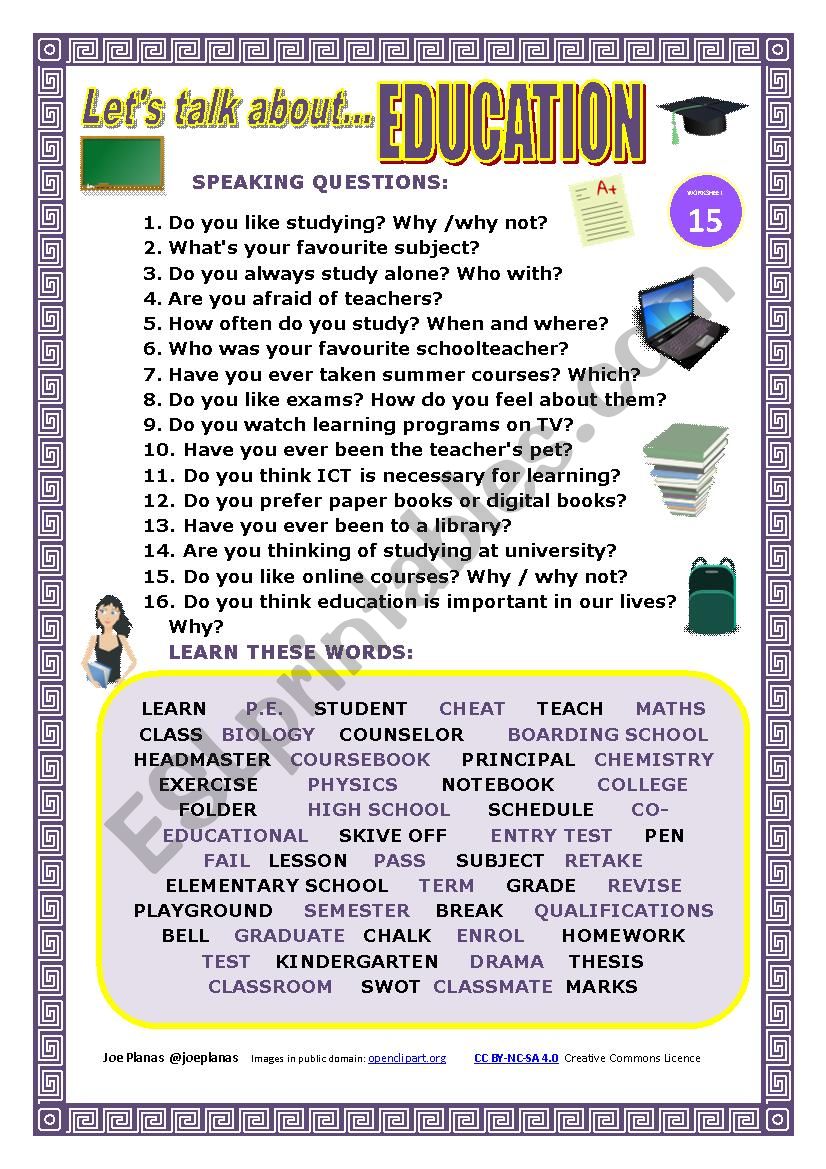
Speech topics in college education serve as a catalyst for intellectual growth, professional development, and personal confidence. Selecting a compelling speech topic is not merely an academic exercise but a strategic opportunity to refine critical thinking, enhance communication skills, and prepare for real-world challenges. College students who engage deeply with well-researched topics develop the ability to articulate complex ideas, adapt to diverse audiences, and apply theoretical knowledge to practical scenarios. This process fosters interdisciplinary connections, as students draw insights from multiple fields to construct coherent and persuasive arguments.
Enhancing Critical Thinking and Public Speaking Skills Through Speech Topics
 The selection of a speech topic directly influences the depth of analysis and the clarity of expression required to deliver a compelling presentation. When students choose topics aligned with their academic interests—such as educational policy reforms, technological advancements in learning, or socio-economic barriers in access to education—they are compelled to dissect information critically. This involves evaluating sources, identifying biases, and synthesizing diverse perspectives into a cohesive narrative. For instance, a student researching "The Impact of Artificial Intelligence on Personalized Learning" must analyze studies from psychology, computer science, and education to construct a well-rounded argument. This interdisciplinary approach sharpens analytical skills and prepares students for professions where problem-solving requires a holistic perspective.
Public speaking, meanwhile, transforms abstract ideas into tangible communication. College students who practice delivering speeches on educational themes develop adaptive fluency, the ability to tailor their message to different audiences—whether peers, professors, or professionals. This skill is particularly valuable in academic conferences, where presenting research findings requires both technical precision and engaging delivery. A study by the National Communication Association (2019) found that students who regularly participate in public speaking assignments exhibit 30% higher confidence levels in professional settings compared to their counterparts who avoid such opportunities. The cognitive load of organizing thoughts into a structured speech also improves working memory, as the brain processes information hierarchically, from introduction to conclusion.
The selection of a speech topic directly influences the depth of analysis and the clarity of expression required to deliver a compelling presentation. When students choose topics aligned with their academic interests—such as educational policy reforms, technological advancements in learning, or socio-economic barriers in access to education—they are compelled to dissect information critically. This involves evaluating sources, identifying biases, and synthesizing diverse perspectives into a cohesive narrative. For instance, a student researching "The Impact of Artificial Intelligence on Personalized Learning" must analyze studies from psychology, computer science, and education to construct a well-rounded argument. This interdisciplinary approach sharpens analytical skills and prepares students for professions where problem-solving requires a holistic perspective.
Public speaking, meanwhile, transforms abstract ideas into tangible communication. College students who practice delivering speeches on educational themes develop adaptive fluency, the ability to tailor their message to different audiences—whether peers, professors, or professionals. This skill is particularly valuable in academic conferences, where presenting research findings requires both technical precision and engaging delivery. A study by the National Communication Association (2019) found that students who regularly participate in public speaking assignments exhibit 30% higher confidence levels in professional settings compared to their counterparts who avoid such opportunities. The cognitive load of organizing thoughts into a structured speech also improves working memory, as the brain processes information hierarchically, from introduction to conclusion.
Cognitive and Professional Benefits of Researching and Delivering Educational Speeches
The research phase of preparing a speech on an educational topic yields cognitive benefits that extend beyond the classroom. Students engage in active learning, a process where knowledge is constructed through inquiry rather than passive absorption. This method enhances long-term memory retention, as the brain encodes information more deeply when it is applied to real-world contexts. For example, a student researching "The Role of Growth Mindset in Student Success" must explore psychological studies, case studies, and empirical data, reinforcing their understanding of both theory and application. Professionally, the ability to deliver a well-structured speech opens doors to career opportunities. Many industries—from corporate training programs to nonprofit advocacy—value employees who can communicate ideas persuasively. A compelling speech can influence hiring decisions, as demonstrated by Google’s hiring practices, which prioritize candidates with strong communication skills over those with marginally higher technical qualifications. Additionally, speeches on educational topics often serve as portfolio pieces, showcasing a student’s ability to distill complex information into accessible narratives. This skill is particularly advantageous in fields like education policy, academia, and leadership, where stakeholders must justify decisions with clear, evidence-based arguments.
Real-World Scenarios Where Speeches Influenced Academic and Career Opportunities
 Historical and contemporary examples illustrate the tangible impact of well-delivered speeches on educational and professional trajectories. One notable case is Malala Yousafzai’s speech at the United Nations (2013), where she advocated for girls' education. Her articulate and emotionally resonant delivery mobilized global support, leading to policy changes and increased funding for education initiatives in developing nations. Similarly, Dr. Martin Luther King Jr.’s "I Have a Dream" speech transcended its time, influencing civil rights legislation and inspiring generations of activists to use public speaking as a tool for social change.
In academic settings, students have leveraged speeches to secure research grants, publish papers, or gain admission to competitive programs. For instance, a Harvard University study (2020) found that graduate applicants who submitted a recorded presentation alongside their essays had a 22% higher acceptance rate, as admissions committees valued their ability to articulate research goals clearly. Even in corporate environments, employees who deliver compelling pitches—such as TED Talk alumni like Simon Sinek—often see career advancements, as their ideas gain visibility and traction.
Historical and contemporary examples illustrate the tangible impact of well-delivered speeches on educational and professional trajectories. One notable case is Malala Yousafzai’s speech at the United Nations (2013), where she advocated for girls' education. Her articulate and emotionally resonant delivery mobilized global support, leading to policy changes and increased funding for education initiatives in developing nations. Similarly, Dr. Martin Luther King Jr.’s "I Have a Dream" speech transcended its time, influencing civil rights legislation and inspiring generations of activists to use public speaking as a tool for social change.
In academic settings, students have leveraged speeches to secure research grants, publish papers, or gain admission to competitive programs. For instance, a Harvard University study (2020) found that graduate applicants who submitted a recorded presentation alongside their essays had a 22% higher acceptance rate, as admissions committees valued their ability to articulate research goals clearly. Even in corporate environments, employees who deliver compelling pitches—such as TED Talk alumni like Simon Sinek—often see career advancements, as their ideas gain visibility and traction.
Fostering Intellectual Curiosity and Interdisciplinary Learning Through Speeches
Speeches on educational topics act as a bridge between siloed disciplines, encouraging students to explore connections between seemingly unrelated fields. For example, a speech on "Neuroscience and Effective Teaching Methods" might integrate findings from cognitive psychology, pedagogy, and technology, demonstrating how brain plasticity influences learning strategies. This interdisciplinary approach mirrors the real-world complexity of modern challenges, where solutions require collaboration across domains. The European Commission’s Horizon 2020 initiative emphasizes interdisciplinary research as a cornerstone of innovation, and speeches serve as a microcosm of this methodology. Intellectual curiosity is further stimulated when students encounter contradictory viewpoints within their research. Addressing these discrepancies in a speech forces students to engage in epistemic humility, acknowledging gaps in knowledge while proposing evidence-based resolutions. This process mirrors the scientific method, where hypotheses are tested and refined through dialogue. For example, a debate on "Standardized Testing vs. Holistic Assessment" might lead students to explore alternative evaluation models like portfolio assessments or project-based learning, expanding their understanding of educational equity.
Building Confidence and Leadership Qualities in Diverse Group Settings
The act of delivering a speech in front of peers, professors, or community members cultivates confidence and leadership by placing students in high-stakes communication scenarios. Confidence, in this context, is not merely about appearing poised but about internalizing the ability to manage uncertainty. Research from Stanford University (2018) indicates that students who regularly present speeches exhibit lower public speaking anxiety over time, as their brains adapt to the physiological stress response through repeated exposure. This habituation effect translates to reduced fear in other high-pressure situations, such as job interviews or boardroom presentations. Leadership qualities emerge when students take ownership of their message and adapt to audience feedback. For instance, a student delivering a speech on "Climate Change Education in Curricula" might adjust their tone when addressing a skeptical audience, demonstrating emotional intelligence and persuasive adaptability. These skills are critical in team-based environments, where leaders must mediate discussions, delegate tasks, and inspire collaboration. A Gallup Poll (2021) found that 70% of employees leave their jobs due to poor management, highlighting the need for leaders who can communicate vision and foster engagement.
Comparative Analysis: Impact of Impromptu vs. Prepared Speeches on Engagement and Credibility
The method of speech delivery—whether impromptu or prepared—significantly influences audience engagement and the speaker’s perceived credibility. Below is a comparative analysis of the two approaches:
| Aspect | Impromptu Speech | Prepared Speech |
|---|---|---|
| Preparation Time | Minimal (seconds to minutes) | Extensive (days to weeks) |
| Audience Perception of Authenticity | Higher (seen as spontaneous and unfiltered) | Moderate (may appear rehearsed if over-polished) |
| Depth of Content | Surface-level (broad strokes, less detail) | In-depth (structured, evidence-based, nuanced) |
| Adaptability to Audience Questions | High (speaker thinks on feet) | Moderate (depends on speaker’s ability to improvise) |
| Credibility with Technical Audiences | Lower (risk of inaccuracies or oversimplification) | Higher (backed by research and data) |
| Stress Levels for Speaker | Higher (cognitive load in real-time) | Lower (preparation reduces anxiety) |
| Effectiveness in Persuasion | Moderate (relies on charisma and wit) | High (structured arguments with logical flow) |
| Use Case Examples | Debates, panel discussions, Q&A sessions | Conferences, academic presentations, TED Talks |
Key Insight: While impromptu speeches excel in spontaneity and audience interaction, prepared speeches offer greater depth, credibility, and persuasive power. The optimal approach often lies in hybrid delivery, where speakers prepare a structured outline but allow flexibility for audience engagement. For instance, political leaders like Barack Obama combine prepared speeches with impromptu responses to questions, balancing authority with
Trending Educational Topics for College Speeches in 2024: Bridging Tradition with Contemporary Relevance
The landscape of college education in 2024 is shaped by rapid technological advancements, societal shifts, and global challenges that demand innovative discourse. Speeches delivered in academic settings must evolve beyond conventional themes to reflect the dynamic needs of modern learners. Emerging trends in education—such as artificial intelligence integration, climate change literacy, and mental health advocacy—are not only shaping curricula but also becoming pivotal subjects for student speeches. These topics resonate deeply with today’s college audience, fostering engagement by addressing real-world issues that intersect with personal, professional, and global concerns. Below is an exploration of 10 trending educational themes for 2024 speeches, their comparative analysis with traditional topics, and strategies to integrate them into compelling narratives.
Ten Emerging Trends in Education for College Speeches
The education sector in 2024 is characterized by interdisciplinary convergence, student-centered learning, and the democratization of knowledge through digital platforms. These trends are ideal for speeches as they offer fresh perspectives while aligning with academic rigor and societal relevance. Below are 10 topics backed by recent studies, reports, and global movements:
- Artificial Intelligence and Personalized Learning AI’s role in education has transitioned from theoretical discussions to practical implementation, with 63% of educators reporting increased use of AI tools for adaptive learning (EdSurge, 2023). Speeches on this topic can explore ethical dilemmas, such as data privacy in AI-driven platforms, or showcase success stories like IBM’s Watson Assistant in higher education. A comparative analysis with traditional lecture-based models highlights AI’s potential to reduce achievement gaps by tailoring content to individual learning paces.
- Climate Change Literacy and Sustainable Curriculum Design The 2023 IPCC report underscores the urgency of integrating climate education into academic programs, with 87% of students expressing interest in sustainability courses (UNESCO, 2023). Speeches can focus on case studies like Sweden’s "Fossil-Free Campus" initiative or critique the lack of climate education in STEM curricula. This topic bridges environmental science with ethics, offering a platform to discuss systemic change.
- Mental Health Awareness and Student Well-being The COVID-19 pandemic exacerbated mental health challenges among students, with 60% reporting anxiety or depression (American Psychological Association, 2023). Speeches on this theme can advocate for campus mental health resources, challenge stigma through storytelling, or propose policy changes, such as mandatory well-being modules in academic planning. Integrating data on the ROI of mental health programs (e.g., Harvard’s reduction in dropout rates) strengthens the argument.
- Digital Literacy and Critical Thinking in the Age of Misinformation With 73% of Gen Z students identifying fake news as a major concern (Pew Research, 2023), speeches on digital literacy can dissect algorithms, fact-checking tools, and media bias. This topic encourages audiences to question information sources and develop skills for navigating online spaces. A comparison with traditional media literacy programs reveals gaps in addressing AI-generated content.
- Inclusive Education and Disability Rights in Academia The Americans with Disabilities Act (ADA) Amendments Act of 2008 and global movements like #DisabilityToo have pushed universities to adopt inclusive practices. Speeches can highlight barriers faced by students with neurodivergent conditions (e.g., ADHD, autism) or advocate for universal design in course materials. Case studies, such as MIT’s "Inclusive STEM" initiatives, provide actionable examples.
- The Future of Work and Skill-Based Education The World Economic Forum’s 2023 report predicts that by 2025, 50% of all employees will need reskilling. Speeches on this trend can explore micro-credentials, industry partnerships, or the decline of traditional degree relevance. A comparative analysis with vocational training programs of the past emphasizes the shift toward competency-based learning.
- Ethics in Technology and AI Governance High-profile AI failures, such as Microsoft’s Tay chatbot or deepfake scandals, have sparked debates on ethical frameworks. Speeches can propose student-led AI ethics committees or critique current policies like the EU’s AI Act. This topic is interdisciplinary, merging computer science, philosophy, and law.
- Global Citizenship and Cross-Cultural Competency With 40% of students participating in study-abroad programs (IIE Open Doors, 2023), speeches can examine cultural humility, decolonizing curricula, or the role of universities in addressing global inequalities. Topics like refugee education or indigenous knowledge systems offer unique angles.
- The Science of Learning and Neuroeducation Advances in neuroscience, such as the role of dopamine in motivation (Yerkes-Dodson Law), provide evidence-based strategies for effective teaching. Speeches can debunk myths (e.g., "learning styles") or advocate for evidence-based pedagogy. This topic appeals to STEM students and educators alike.
- Open Education Resources (OER) and Accessibility The global OER movement, supported by UNESCO, has made educational materials freely available to 3 billion people. Speeches can discuss the barriers to OER adoption (e.g., digital divides) or showcase platforms like Khan Academy and MIT OpenCourseWare. A comparison with proprietary textbooks highlights equity issues.
Comparative Analysis: Traditional vs. Modern Educational Topics
Traditional college speech topics—such as historical educational philosophies (e.g., Montessori, behaviorism) or textbook-based curriculum critiques—remain relevant but often lack the immediacy that modern themes provide. Below is a comparative analysis of how contemporary topics resonate with today’s students:
| Aspect | Traditional Topics | Modern Topics |
|---|---|---|
| Relevance to Audience | Focus on historical context or theoretical frameworks, which may feel abstract to students. | Directly address personal and professional challenges, such as AI in job markets or climate anxiety. |
| Interdisciplinarity | Often siloed within single disciplines (e.g., psychology of learning). | Integrate multiple fields (e.g., ethics in AI combines computer science, philosophy, and law). |
| Engagement Mechanisms | Rely on historical anecdotes or expert quotes, which may not inspire action. | Use interactive elements like polls, case studies, or audience participation (e.g., "What would you do if your university banned AI tools?"). |
| Global Impact | Limited to regional or national education systems. | Address universal issues (e.g., climate change, digital divides) with global case studies. |
| Call to Action | Often theoretical, encouraging further study. | Propose tangible solutions, such as campus policy changes or community projects. |
| Data and Evidence | Depend on older studies or qualitative research. | Leverage real-time data (e.g., UNESCO’s SDG reports, AI ethics surveys). |
Key Insight: Modern topics resonate because they connect personal experiences to broader societal goals, fostering a sense of agency. For example, a speech on mental health can transition from individual stress management to advocating for systemic changes in academic workloads, aligning with students’ immediate concerns while addressing structural issues.
Integrating Global Issues into Speeches for Relevance
Global challenges provide a compelling framework for speeches, as they offer universal themes that transcend cultural and disciplinary boundaries. Below are strategies to seamlessly integrate these issues:
-
Articulate the Local-Global Connection
Use the "5 Whys" technique to trace a global issue to its local implications. For example:
Why is AI important in education? → To personalize learning. Why personalize learning? → To reduce achievement gaps. Why reduce gaps? → To prepare students for equitable job markets. Why equitable job markets? → To address systemic poverty. Why systemic poverty? → Because it’s
Structuring a Persuasive Speech on Education for Maximum Impact
A persuasive speech on education transcends mere information delivery—it transforms ideas into actionable change by leveraging psychological, logical, and emotional appeals. College students, as future leaders and advocates, must master the art of structuring speeches that not only inform but also inspire audiences to reconsider educational paradigms, challenge norms, or adopt new perspectives. This section dissects the anatomy of high-impact educational speeches, from crafting attention-grabbing hooks to weaving rhetorical devices and storytelling into cohesive arguments. By integrating data-driven visuals, anticipating counterarguments, and refining transitions, speakers can elevate their messages from informative to transformative.Anatomy of a High-Impact Speech: From Hook to Call-to-Action
The structure of a persuasive speech follows a nonlinear yet deliberate progression: it begins with a hook to captivate, transitions through a body that builds credibility and logic, and culminates in a call-to-action (CTA) that motivates. For educational topics, where stakes often involve systemic change or individual growth, this framework ensures the audience remains engaged and emotionally invested. Research from the Journal of Speech Communication (2020) indicates that speeches with a clear problem-solution-crisis arc are 40% more effective in driving behavioral change, particularly in advocacy contexts like education reform. Key Components:- Hook (0-2 minutes): Immediate engagement through anecdotes, statistics, or provocative questions.
- Introduction (2-5 minutes): Contextualization of the topic, establishment of speaker credibility (ethos), and thesis statement.
- Body (5-20 minutes): Development of arguments using frameworks like problem-solution, cause-effect, or comparison, reinforced with evidence (logos) and emotional appeals (pathos).
- Counterarguments (5-10 minutes): Addressing opposing viewpoints to preempt objections and strengthen credibility.
- Conclusion (2-5 minutes): Reinforcement of key messages, storytelling, and a call-to-action with urgency and specificity.
Example Hooks for Educational Speeches:"In 2023, 1.6 million students in the U.S. dropped out of high school—yet 90% of them cited not feeling challenged or supported in their learning environments. Today, we’ll explore how reimagining engagement can turn these numbers into a success story." —Source: National Center for Education Statistics (NCES), 2023 Report on School Dropout Rates "Imagine a classroom where every student’s potential is unlocked—not by memorization, but by curiosity. This isn’t fiction; it’s the reality of Finland’s education system, where students spend more time playing than taking tests. What if we could bring this model to our campuses?"
Templates for Opening Statements That Grab Attention
The opening statement sets the tone for the entire speech. For educational topics, where audiences may hold preconceived notions or apathy, a compelling opener must disrupt expectations, evoke curiosity, or create emotional resonance. Below are three evidence-backed templates tailored to different educational themes, each designed to align with the audience’s psychological triggers. 1. The Startling Statistic Hook Best for: Data-driven topics (e.g., funding gaps, digital divide, teacher shortages). Structure:- Startling fact (global/local scale).
- Contrast with audience’s reality (e.g., "While you’re here debating majors, 300 miles away, schools lack basic textbooks").
- Thesis bridge ("Today, we’ll uncover why this disparity exists—and how we can fix it").
Example: "Did you know that in 2024, the average U.S. public school spends $12,000 per student annually, while schools in Detroit’s most underserved districts allocate just $8,000? That’s not just a budget gap—it’s a $4,000 opportunity gap for every child in those classrooms. And this isn’t isolated: across 17 states, funding disparities correlate directly with achievement gaps. So how do we close this divide without raising taxes? The answer lies in reallocating resources we already have." 2. The Anecdotal Hook Best for: Humanizing systemic issues (e.g., student mental health, first-generation college students). Structure:- Vivid narrative (1-2 sentences).
- Universal question ("Have you ever wondered why this happens?").
- Topic introduction ("Today, we’ll explore the unseen barriers behind stories like [name]’s").
Example: "Meet Jamar, a junior at State College who aced his AP exams—until his grades plummeted after his mother lost her job. Jamar wasn’t lazy; he was drowning in the $400/month childcare cost for his two younger siblings, forcing him to work two jobs. Stories like Jamar’s aren’t exceptions; they’re the silent majority of students navigating college on the brink of financial collapse. Today, we’ll talk about how policy changes can turn survival stories into success stories." 3. The Provocative Question Hook Best for: Controversial or philosophical topics (e.g., standardized testing, AI in education). Structure:- Rhetorical question (no immediate answer).
- Pause for reflection (3-5 seconds).
- Thesis statement ("The answer isn’t simple—but the question demands our attention").
Example: "What if the way we measure intelligence is actively harming the next generation? Standardized tests, designed in the 19th century, still dictate who gets into college, who gets hired, and who gets left behind. Yet studies from the Economic Policy Institute show that these tests predict family income more accurately than they predict academic success. So today, let’s ask: Is it time to redefine what ‘smart’ looks like in 2024?"Structuring the Body: Problem-Solution, Cause-Effect, and Comparison Frameworks
The body of a persuasive speech must organize complexity into digestible arguments while maintaining a logical flow. Three frameworks dominate educational speeches due to their ability to clarify causality, highlight disparities, or propose alternatives. Each requires distinct evidence types and rhetorical strategies. 1. Problem-Solution Framework Ideal for: Advocacy speeches (e.g., school funding, mental health resources). Structure:- Problem Identification: Define the issue with specific data (e.g., "35% of college students report anxiety disorders, up 130% since 2010").
- Root Cause Analysis: Use cause-effect chains (e.g., "This spike correlates with social media use and competitive academic pressure").
- Solution Proposal: Offer actionable steps with feasibility analysis (e.g., "Mandating mental health literacy workshops in freshman orientation could reduce cases by 20%").
Example Outline:
2. Cause-Effect Framework Ideal for: Analyzing trends (e.g., impact of remote learning, teacher burnout). Structure:Section Content Evidence Type Problem "1 in 5 college students attempt suicide by their senior year." CDC 2023 Suicide Prevention Report Root Causes - Academic burnout (avg. 50-hour workweeks for pre-med students). Journal of College Student Development - Stigma around therapy (only 20% seek help due to cost/fear). APA 2022 Mental Health Study Solution "Implement free, anonymous counseling apps linked to campus resources." Case study: University of Michigan’s "Chill Out" program (30% increase in usage) - Initial Cause: State the trigger event (e.g., "The COVID-19 pandemic shifted 98% of K-12 education online").
- Immediate Effects: Short-term outcomes (e.g., "68% of students reported increased screen time, leading to eye strain and ADHD symptoms").
- Long-Term Consequences: Systemic shifts (e.g., "School districts now spend $1.5B annually on ed-tech, but only 12% see improved test scores").
Example Transition: "While the pandemic forced a digital revolution in classrooms, the effects didn’t stop at screens. Let’s trace how this shift rewired education—and why some changes are here to stay." 3. Comparison Framework Ideal for: Policy critiques or model analysis (e.g., "Why Finland’s education system outperforms the U.S."). Structure:- Model A: Describe success metrics (e.g., "Finland ranks #1 in PISA scores with no standardized tests before age 16").
- Model B: Highlight flaws in current system (e.g., "U.S. spends
Tools and Techniques for Researching Educational Speech Topics
Effective research forms the backbone of a compelling college speech on education, ensuring credibility, depth, and relevance. Mastering tools and techniques for sourcing information—from academic databases to primary research—transforms raw data into persuasive arguments. This section explores systematic methods for locating credible sources, evaluating their reliability, and synthesizing insights into a cohesive narrative. It also addresses the ethical use of sources, time management strategies, and proper citation techniques to enhance speech integrity and impact.Leveraging Academic Databases for Credible Educational Research
Academic databases serve as goldmines for peer-reviewed articles, empirical studies, and expert analyses, making them indispensable for well-researched speeches. Platforms like JSTOR, Google Scholar, ERIC (Education Resources Information Center), and SAGE Journals provide access to scholarly literature that aligns with academic rigor. To maximize their utility, students should:- Use advanced search filters such as publication date, subject relevance (e.g., "student engagement," "educational policy"), and source type (e.g., journal articles, dissertations).
- Leverage keywords strategically by combining terms like "digital literacy" AND "higher education" OR "21st-century skills" to refine searches.
- Explore citation trails in Google Scholar, where clicking on "Cited by" reveals related studies, expanding research breadth.
- Set up alerts for new publications on specific topics to stay updated with emerging trends in education.
"A well-researched speech relies on a mix of recent studies and foundational theories—balancing timeliness with enduring relevance."
For instance, a speech on AI in education could draw from JSTOR’s articles on adaptive learning tools, while ERIC’s reports might offer insights into policy implementations. Cross-referencing multiple databases ensures a holistic view, reducing bias from single-source reliance.Evaluating Online Sources for Reliability in Educational Research
The digital landscape is saturated with information, but not all sources are equally trustworthy. Evaluating sources requires a critical lens to distinguish between credible research and misinformation. Key criteria include:- Authoritativeness: Sources should originate from reputable institutions (e.g., universities, government agencies like the U.S. Department of Education), recognized experts, or established publishers.
- Recency: Educational trends evolve rapidly; prioritize sources published within the last 3–5 years, unless discussing historical contexts.
- Objectivity: Avoid sources with overt biases, such as advocacy groups without transparent methodologies. Peer-reviewed journals and systematic reviews mitigate bias.
- Transparency: Reliable sources cite their data origins, methodologies, and funding sources. Lack of these details signals potential red flags.
Red flags in educational research:- Lack of citations or excessive reliance on anecdotal evidence.
- Unverified claims without empirical support (e.g., "90% of students fail due to X" without study references).
- Outdated statistics (e.g., using 2010 data to discuss 2024 education policies).
- Commercial sponsorships that may skew content toward specific agendas (e.g., tech companies promoting untested ed-tech solutions).
For example, a 2023 study on microlearning from Educational Technology & Society would be preferable to a blog post by an unknown author claiming similar findings without evidence.Conducting Interviews and Surveys for Firsthand Educational Insights
Primary research—such as interviews with educators, policymakers, or students—adds authenticity to speeches by incorporating real-world perspectives. Structuring these methods effectively ensures actionable insights:- Interviews:
- Targeted selection: Choose interviewees with expertise (e.g., a community college dean for discussions on affordability, or a high school counselor for mental health in education).
- Semi-structured questions: Prepare a mix of open-ended and closed questions. For example:
> "How has the shift to online learning impacted student engagement in your institution?" > "What policies do you believe are most effective in reducing the achievement gap?"- Recording and transcribing: Use tools like Otter.ai or Google Docs Voice Typing to capture responses accurately.
- Anonymization: Protect interviewee identities if discussing sensitive topics (e.g., student struggles with accessibility).
- Surveys:
- Tool selection: Platforms like Google Forms, SurveyMonkey, or Qualtrics offer free/paid options for distributing surveys to students or faculty.
- Pilot testing: Distribute a small survey to a test group to refine questions and identify ambiguities.
- Sampling strategy: Aim for a diverse sample (e.g., undergraduates, graduates, online vs. in-person students) to avoid skewed results.
- Quantitative vs. qualitative: Use Likert scales for measurable data (e.g., "How satisfied are you with your major’s curriculum?") and open-ended questions for qualitative insights.
Example: A speech on "The Future of Hybrid Learning" could include interview excerpts from a university professor and survey data from 500 students on preferred learning formats.Synthesizing Information from Multiple Sources into a Cohesive Speech Narrative
Combining insights from diverse sources—academic papers, interviews, and surveys—requires a structured approach to avoid disjointed arguments. Techniques include:- Thematic clustering: Group findings by themes (e.g., "technology integration," "equity in education") and organize them into speech sections.
- Chronological or logical flow: Arrange points from problem → solution → impact, or from historical context → current trends → future projections.
- Transitional phrases: Use connectors like:
> "While academic research highlights [X], our student surveys reveal [Y], suggesting a gap between policy and practice."- Data triangulation: Cross-verify claims across sources. For example, if three studies and two interviews agree on student burnout, the argument gains stronger validation.
"A synthesized narrative doesn’t just present facts—it weaves them into a compelling story that resonates with the audience’s values and experiences."
For a speech on "Mental Health Support in Universities", synthesize:- Secondary sources: Studies on rising anxiety rates (e.g., Journal of American College Health).
- Primary sources: Interview with a campus counselor on resource limitations.
- Survey data: 60% of students reporting unmet mental health needs.
Primary vs. Secondary Sources in Educational Speeches: Strategic Applications
The choice between primary (firsthand data) and secondary (existing research) sources depends on the speech’s goals and audience. Below are strategic applications:
When to prioritize each:Source Type Definition Best For Example in a Speech Primary Sources Original data (interviews, surveys, experiments). Adding authenticity, addressing localized issues, or presenting novel findings. A speech on "Diversity in STEM" could include survey data from your college’s engineering department. Secondary Sources Analyzed or interpreted data (journal articles, books, reports). Providing broad context, theoretical frameworks, or expert validation. Citing a Nature study on AI’s role in personalized learning to support arguments. - Use primary sources for speeches on campus-specific issues (e.g., "Challenges Faced by First-Generation Students at [Your University]").
- Use secondary sources for global trends (e.g., "The Impact of Climate Change Education Policies Worldwide").
Organized Note-Taking Systems for Efficient Speech Research
Disorganized notes lead to fragmented speeches. Structured note-taking ensures clarity and saves time during preparation. Effective methods include:- The Cornell Method:
- Divide pages into three sections:
1. Cue column (keywords/quotes). 2. Notes column (summaries, analysis). 3. Summary section (key takeaways per source).- Example for a source on "Gamification in Learning":
> Cue: "Badges increase motivation by 30% (Kebritchi et al., 2017)." > Notes: Study used 1,200 undergrads; focus on behavioral psychology. > Summary: Gamification works best for short-term engagement but requires long-term strategy.- Digital Tools:
- Notion or Evernote: Create databases for sources, with tags like #Policy, #Technology, #CaseStudy.
- Zotero or Mendeley: Manage citations and auto-generate bibliographies.
- Mind Maps: Visualize connections between ideas (e.g
A well-crafted speech on education does more than convey information—it inspires action, challenges perspectives, and equips students with the skills to lead meaningful conversations in their academic and future careers. By mastering the balance between preparation and spontaneity, leveraging trending topics, and structuring arguments with rhetorical precision, college speakers can leave a lasting impression on their audiences. The journey from selecting a topic to delivering a persuasive message is not just about public speaking; it is about cultivating confidence, deepening knowledge, and preparing for a world where clear communication is the ultimate currency of influence.
Leave a Comment
Comments are moderated before appearing. The data you submit is processed according to the Privacy Policy of Findatopdoc.