rivaroxaban brand name global variations and medical impact
Table of Contents
- Rivaroxaban's Pharmacological Profile and Distinction Among Anticoagulants
- Mechanism of Action: Factor Xa Inhibition and Clinical Implications
- Comparative Analysis of Rivaroxaban’s Brand Names and Global Regulatory Landscape
- Development Timeline: From Bayer’s Lab to Global Approval
- Brand Name Variations: Xarelto and Beyond
- Marketing Strategies Behind Xarelto and Regional Rivaroxaban Brands
- Regional Brand Name Adaptations and Their Underlying Reasons
- Regional Brand Name Mapping: Approval Dates, Dosage Forms, and Off-Label Uses
- Clinical Efficacy and Safety: How Brand Names Reflect Formulations in Rivaroxaban Therapy
- Pharmacokinetics Across Rivaroxaban Formulations: Bioavailability and Absorption Variations
- Safety Profiles: Adverse Events, Packaging Risks, and Post-Marketing Surveillance
- Side-by-Side Comparison of Rivaroxaban Brands: Clinical Trials, Warnings, and Drug Interactions
Rivaroxaban, a cornerstone in modern anticoagulant therapy, has reshaped treatment protocols for conditions ranging from atrial fibrillation to deep vein thrombosis. Under its most recognized brand name, Xarelto, the drug has become synonymous with innovation in cardiovascular care, yet its journey extends far beyond Bayer’s flagship product. Across continents, rivaroxaban operates under a patchwork of names—Jaxxia in India, Rivaroxaban ADC in China—each reflecting regulatory, cultural, and commercial strategies that dictate patient access and physician trust.
The evolution of rivaroxaban’s brand identities is not merely a tale of pharmaceutical marketing but a study in global healthcare dynamics. From patent battles that delayed generic competition to regional pricing models that influence prescription rates, every variation tells a story of how a single molecule adapts to meet the demands of diverse medical systems. Meanwhile, clinical distinctions between branded and generic formulations raise critical questions: Do these differences translate to tangible patient outcomes, or are they artifacts of branding and cost?
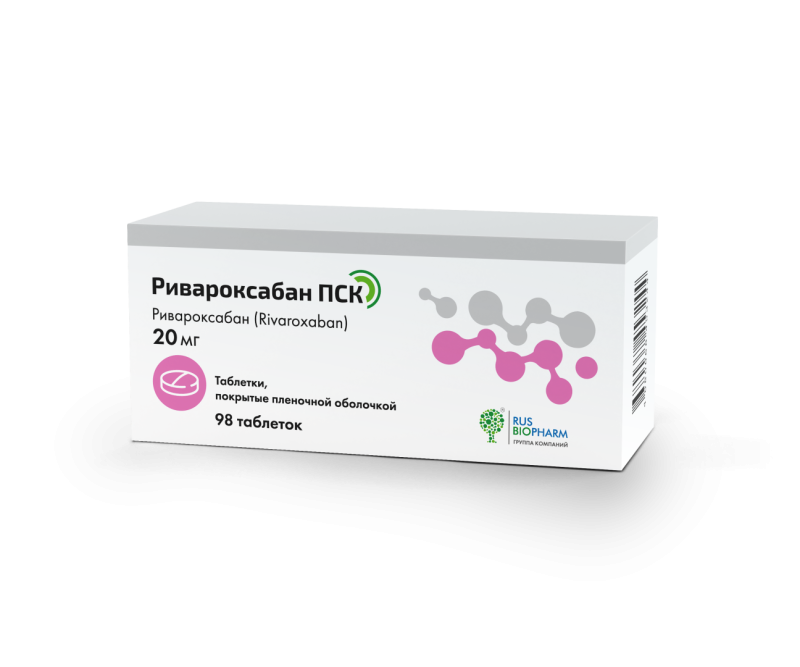
Rivaroxaban's Pharmacological Profile and Distinction Among Anticoagulants
Rivaroxaban, a cornerstone in modern anticoagulant therapy, represents a paradigm shift from traditional vitamin K antagonists (VKAs) and heparin-based treatments. As a direct oral anticoagulant (DOAC), it targets factor Xa in the coagulation cascade with high specificity, bypassing the need for routine monitoring or dietary restrictions. Unlike warfarin, which requires frequent INR checks and interacts with numerous drugs and foods, rivaroxaban’s predictable pharmacokinetics allow for fixed-dose administration. This innovation addresses critical limitations of older anticoagulants, such as heparin’s short half-life (requiring parenteral administration) and warfarin’s narrow therapeutic window. The drug’s mechanism—direct inhibition of free and clot-bound factor Xa—also reduces the risk of heparin-induced thrombocytopenia (HIT) and eliminates the need for bridging therapies during transitions between injectable and oral anticoagulation. The pharmacological advantages of rivaroxaban stem from its chemical structure, a morpholino-1,3-oxazole derivative, designed to achieve high oral bioavailability (~80–100%) and rapid absorption (peak plasma concentration within 2–4 hours). Its hydrophilic properties facilitate renal excretion (66% of the dose), while the remainder is metabolized via CYP3A4/5 and CYP2J2, minimizing drug-drug interactions compared to substrates of CYP2C9 (e.g., warfarin). These characteristics enable rivaroxaban to maintain consistent anticoagulant effects across patients, a stark contrast to warfarin’s variability due to genetic polymorphisms in VKORC1 and CYP2C9. Additionally, rivaroxaban’s lack of platelet inhibition (unlike aspirin or clopidogrel) reduces bleeding risks associated with dual antiplatelet therapy, making it preferable for patients with atrial fibrillation (AF) or those undergoing elective orthopedic surgery.
Mechanism of Action: Factor Xa Inhibition and Clinical Implications
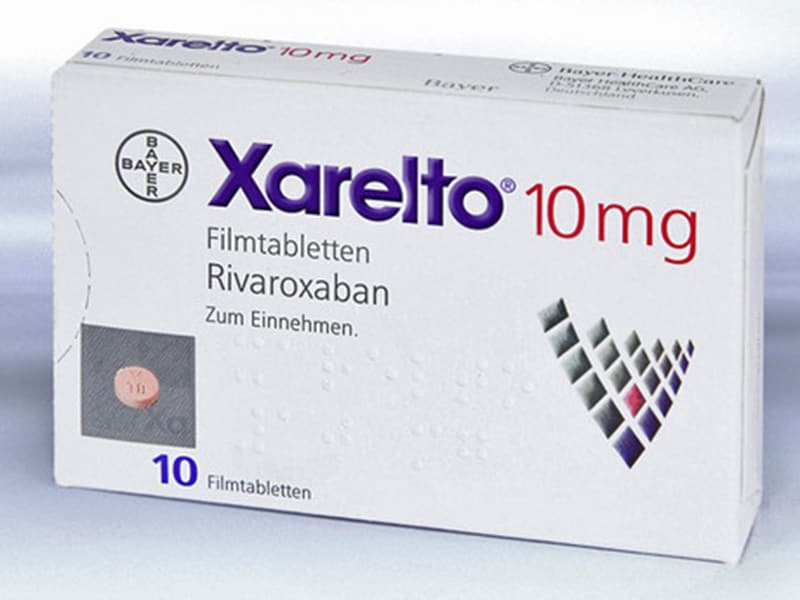 Rivaroxaban’s direct factor Xa inhibition disrupts the coagulation pathway at a pivotal junction, where factor Xa converts prothrombin to thrombin, amplifying fibrin formation. By blocking this enzyme, rivaroxaban reduces thrombin generation by ~75% in vitro, a more potent effect than indirect factor Xa inhibitors (e.g., fondaparinux) or direct thrombin inhibitors (e.g., dabigatran). This specificity translates to superior efficacy in preventing thromboembolic events while maintaining a favorable safety profile in large-scale trials like ROCKET AF (non-valvular AF) and RELY (dabigatran comparison).
Key distinctions from other anticoagulants include:
Rivaroxaban’s direct factor Xa inhibition disrupts the coagulation pathway at a pivotal junction, where factor Xa converts prothrombin to thrombin, amplifying fibrin formation. By blocking this enzyme, rivaroxaban reduces thrombin generation by ~75% in vitro, a more potent effect than indirect factor Xa inhibitors (e.g., fondaparinux) or direct thrombin inhibitors (e.g., dabigatran). This specificity translates to superior efficacy in preventing thromboembolic events while maintaining a favorable safety profile in large-scale trials like ROCKET AF (non-valvular AF) and RELY (dabigatran comparison).
Key distinctions from other anticoagulants include:
Rivaroxaban’s short half-life (5–9 hours) allows for rapid reversal in emergencies via activated charcoal (within 8 hours of ingestion) or prothrombin complex concentrates (PCCs)/recombinant factor VIIa (rFVIIa) for life-threatening bleeds. This contrasts with warfarin’s delayed reversal (requiring vitamin K or PCCs) and dabigatran’s reliance on idarucizumab (a monoclonal antibody).
Comparative Analysis of Rivaroxaban’s Brand Names and Global Regulatory Landscape
Rivaroxaban’s commercialization under multiple brand names reflects its global adoption and Bayer’s strategic licensing agreements. Below is a regulatory and market overview of its primary brand names, categorized by approval status, launch years, and key markets:
| Brand Name | Regulatory Approval | Launch Year | Primary Markets | Key Indications Approved | Patent Status (as of 2023) |
|---|---|---|---|---|---|
| Xarelto | FDA (2011), EMA (2008), PMDA (Japan, 2011), Health Canada (2011) | 2008 (EU), 2011 (U.S.) | U.S., EU, Japan, Canada, Australia |
|
|
| Jaxxia | EMA (2011), TGA (Australia, 2011) | 2011 (EU/Australia) | Germany, Austria, Switzerland, Australia | Same as Xarelto (marketed under Bayer’s European subsidiary) | Patent protections aligned with Xarelto’s EU expiry |
| Rivaroxaban ADC | EMA (2012), FDA (2012) | 2012 (India via ADC Pharma) | India, Southeast Asia |
|
Patent challenges led to generic entry by 2018 |
| Rivaroxaban Teva | FDA (2020), EMA (2021) | 2020 (U.S.), 2021 (EU) | U.S., EU (generic version) | All approved indications for rivaroxaban | First-to-file generic status in U.S. |
| Xarelto Soft Capsules | FDA (2013), EMA (2013) | 2013 (EU/U.S.) | U.S., EU | Pediatric stroke prophylaxis (age 6–17 with mechanical heart valves) | Patent expired in 2022 |
Regulatory Nuances:
Development Timeline: From Bayer’s Lab to Global Approval
Rivaroxaban’s
Brand Name Variations: Xarelto and Beyond
Rivaroxaban’s journey from a Bayer-developed anticoagulant to a globally marketed drug reveals a complex interplay of pharmaceutical branding, regional regulatory landscapes, and market dynamics. While Xarelto remains the most recognizable brand name, rivaroxaban’s identity undergoes significant transformations across geographies—shaped by linguistic adaptations, pricing strategies, and competitive pressures. These variations extend beyond mere nomenclature, influencing physician prescribing habits, patient adherence, and the broader accessibility of anticoagulation therapy. Understanding these distinctions provides insight into how multinational pharmaceutical companies navigate the tension between global standardization and localized market needs.
Marketing Strategies Behind Xarelto and Regional Rivaroxaban Brands
Bayer’s Xarelto exemplifies a premium-branded anticoagulant strategy, designed to position rivaroxaban as a safer, more convenient alternative to warfarin. The campaign "Protecting What Matters Most" leverages emotional storytelling, targeting not only cardiologists but also primary care physicians (PCPs) and patients managing chronic conditions like atrial fibrillation (AFib) or venous thromboembolism (VTE). This approach aligns with Bayer’s broader disease-awareness initiatives, such as partnerships with patient advocacy groups like the American Heart Association and European Heart Rhythm Association (EHRA). By framing rivaroxaban as a fixed-dose, no-monitoring solution, Xarelto mitigates the perceived complexity of warfarin therapy, appealing to physicians seeking simplicity and patients prioritizing convenience. In contrast, generic or locally branded rivaroxaban (e.g., Jaxxia in India, Rivaroxaban ADC in China, or Xarelto Generics in Europe) adopts a cost-driven, accessibility-focused strategy. These brands target price-sensitive markets, where reimbursement systems favor lower-cost alternatives. For instance:
Pricing models further illustrate these divergences:
Regional Brand Name Adaptations and Their Underlying Reasons
The proliferation of rivaroxaban brand names stems from three primary factors: linguistic and cultural adaptations, regulatory naming conventions, and market exclusivity strategies. 1. Linguistic and Cultural Considerations Brand names often undergo phonetic or semantic modifications to align with local languages, avoiding negative connotations or mispronunciations. For example:
2. Regulatory Naming Conventions Regulatory bodies impose trademark protections and generic naming rules that force adaptations. The International Nonproprietary Names (INN) for rivaroxaban is standardized, but proprietary names must comply with local trademark laws and brand uniqueness requirements:
3. Market Exclusivity Strategies Pharmaceutical companies exploit brand proliferation to segment markets based on affordability and perceived value:
Regional Brand Name Mapping: Approval Dates, Dosage Forms, and Off-Label Uses
The following table summarizes rivaroxaban’s brand variations across key regions, including approval timelines, dosage forms, and region-specific restrictions. The data highlights how local regulations and market demands shape the drug’s availability.
| Country/Region | Brand Name | Manufacturer | Approval Date | Dosage Forms & Strengths | Primary Indications (Label) | Off-Label/Restricted Uses | Key Regulatory Notes | |||||||
|---|---|---|---|---|---|---|---|---|---|---|---|---|---|---|
| United States | Xarelto | Bayer | 2011 (AFib), 2012 (VTE) | Tablets: 10mg, 15mg, 20mg; Oral solution: 15mg/3mL (discontinued in 2020) | AFib stroke prophylaxis, DVT/PE treatment, post-orthopedic surgery prophylaxis | Limited off-label use due to FDA warnings on spinal/epidural hematoma risks | REMS program required for high-risk patients | |||||||
| European Union | Xarelto | Bayer | 2008 (VTE), 2011 (AFib) | Tablets: 10mg, 15mg, 20mg; Oral solution: 15mg/3mL (restricted) | Same as U.S., plus secondary prevention of CV events in CAD patients (post-2016) | Off-label use in HIT (Heparin-Induced Thrombocytopenia) monitored by EMA | Generic entry post-patent expiry (2020) | |||||||
| Japan | Xarelto (ザレルト) | Bayer |
| Parameter | Xarelto (Bayer) | Generic Rivaroxaban (e.g., Teva, Mylan, Dr. Reddy’s) |
|---|---|---|
| Primary Clinical Trial Support |
|
|
| Black-Box Warnings & Contraindications |
|
|
| Key Drug Interactions |
|
|
Leave a Comment
Comments are moderated before appearing. The data you submit is processed according to the Privacy Policy of Findatopdoc.