WhyAreYouGayMemeUncoveredItsComplexLegacyAndImpact
Table of Contents
- The Cultural Roots of the "Why Are You Gay?" Meme: From Stereotypes to Viral Subversion
- Anti-LGBTQ+ Stereotypes in Media and Politics: The Foundation of the Meme
- Key Milestones: Media and Political Events Shaping the Meme’s Evolution
- Subverting and Reinforcing Stereotypes: Viral Iterations and Cultural Reception
- The Role of Internet Forums: Incubators for Meme Evolution
- The Psychology Behind the "Why Are You Gay?" Meme’s Virality
- Cognitive Dissonance and the Meme’s Relatability
- In-Group/Out-Group Dynamics and Social Reinforcement
- Deflection Humor and the Absurdity Factor
- Internet Humor Tropes and the Meme’s Evolution
- Flowchart: The Meme’s Lifecycle and Psychological Triggers
- Audience Demographics and Cultural Reception
- Cultural Comparisons: Western vs. Eastern Perspectives
- LGBTQ+ Perspectives: From Offense to Empowerment in the "Why Are You Gay?" Meme
- Initial Backlash and Community Rejection
- Reclamation and Queer Subversion
- Personal Narratives of Empowerment
- Contrasting Interpretations: A Cultural Analysis
- The Meme’s Evolution: From Shock Humor to Satirical Subversion
- Shock Value in the Early 2000s: The Birth of a Troll Format
- Satirical Commentary: Political Shifts and Mainstream Adaptation
- Meta-Humor: Acknowledging Problematic Roots While Subverting Them
- Visual Evolution: From JPEG Edits to AI-Generated Parodies
The "Why Are You Gay?" meme emerged from the digital underbelly of early internet culture, a viral phenomenon that blurred the lines between offense and empowerment. Rooted in anti-LGBTQ+ stereotypes from the 1990s and early 2000s, this meme evolved alongside shifting societal attitudes, reflecting both hostility and resilience within queer communities. Originally spread through shock humor forums and meme pages, it became a cultural shorthand for dismissive questions about sexuality, often paired with exaggerated, mocking visuals. What began as a tool for marginalization later transformed into a symbol of queer defiance, illustrating how internet culture repurposes even the most harmful tropes into something unexpectedly subversive.
From its origins in early 2000s shock sites to its modern iterations on platforms like Reddit and TikTok, the meme’s journey mirrors broader debates about free speech, humor, and representation. It thrived in spaces where anonymity allowed users to push boundaries, yet its reception varied drastically—sparking outrage in LGBTQ+ circles while being embraced by some as a form of ironic self-expression. Behind its absurdity lies a complex psychological and cultural narrative, one that reveals how memes can both reinforce stereotypes and dismantle them. This exploration dives into the meme’s evolution, its psychological triggers, and the shifting perspectives of those it impacted, offering a closer look at how digital humor shapes—and is shaped by—real-world attitudes.
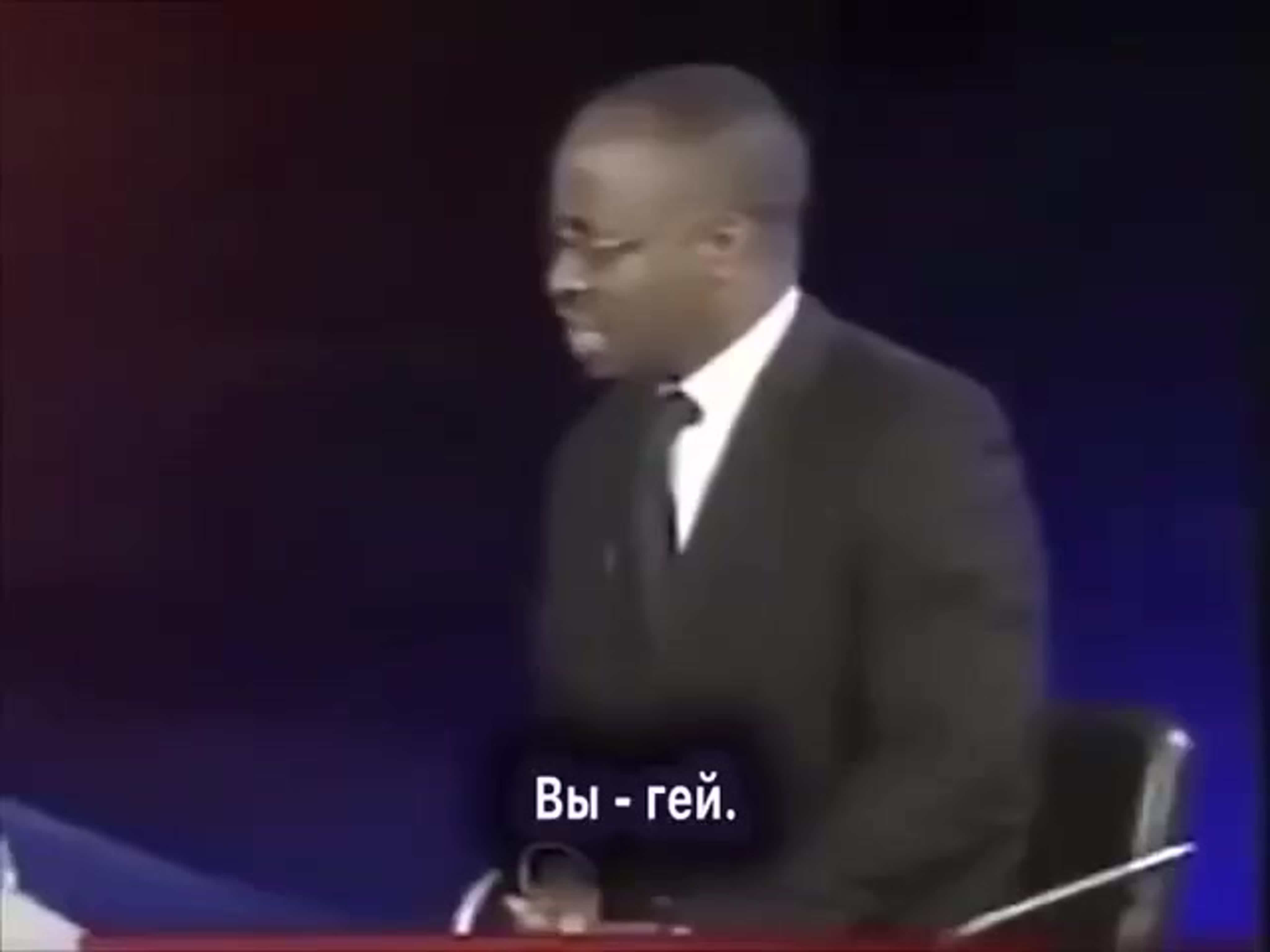
The Cultural Roots of the "Why Are You Gay?" Meme: From Stereotypes to Viral Subversion
The "Why Are You Gay?" meme emerged as a digital artifact reflecting broader societal tensions around LGBTQ+ identity, blending humor, irony, and resistance. Rooted in decades of anti-LGBTQ+ stereotypes perpetuated through media, politics, and pop culture, the meme evolved from a tool of mockery into a symbol of queer resilience. Its origins trace back to a complex interplay of cultural narratives—where homophobic tropes in films, television, and political rhetoric collided with the internet’s capacity for rapid, subversive reinterpretation. By analyzing the historical context, key milestones, and the role of online communities, the meme’s trajectory reveals how digital spaces both reinforced and dismantled harmful stereotypes, reshaping public discourse in the process.
Anti-LGBTQ+ Stereotypes in Media and Politics: The Foundation of the Meme
 The "Why Are You Gay?" meme did not arise in a vacuum; it was shaped by a legacy of media portrayals that framed queer identities as objects of curiosity, pity, or ridicule. From the 1990s to the early 2000s, Hollywood and television frequently depicted LGBTQ+ characters through a narrow lens—either as tragic figures (e.g., Philadelphia, 1993) or as punchlines in comedic contexts (e.g., The Birdcage, 1996). Political rhetoric during this period amplified these stereotypes, with figures like former U.S. Senator Rick Santorum (R-PA) declaring in 2003 that homosexuality was a "choice" and "a devastating consequence of an immoral society." Such statements echoed earlier moral panics, including the 1980s AIDS crisis, where queer individuals were often scapegoated in media narratives.
The meme’s early iterations drew heavily from these tropes, particularly the idea that homosexuality was an anomaly requiring explanation. For example, the 2005 image macro featuring a shocked character from The Simpsons (e.g., Homer Simpson) with the caption "Why are you gay?" mirrored the tone of 1990s sitcoms like Friends, where characters like Ross Geller (David Schwimmer) would joke about his ex-boyfriend’s sexuality as if it were a bizarre accident. Similarly, the 2008 viral video of a confused-looking man paired with the same question referenced the era’s dominant narrative that queer identities were inherently confusing or unnatural.
The "Why Are You Gay?" meme did not arise in a vacuum; it was shaped by a legacy of media portrayals that framed queer identities as objects of curiosity, pity, or ridicule. From the 1990s to the early 2000s, Hollywood and television frequently depicted LGBTQ+ characters through a narrow lens—either as tragic figures (e.g., Philadelphia, 1993) or as punchlines in comedic contexts (e.g., The Birdcage, 1996). Political rhetoric during this period amplified these stereotypes, with figures like former U.S. Senator Rick Santorum (R-PA) declaring in 2003 that homosexuality was a "choice" and "a devastating consequence of an immoral society." Such statements echoed earlier moral panics, including the 1980s AIDS crisis, where queer individuals were often scapegoated in media narratives.
The meme’s early iterations drew heavily from these tropes, particularly the idea that homosexuality was an anomaly requiring explanation. For example, the 2005 image macro featuring a shocked character from The Simpsons (e.g., Homer Simpson) with the caption "Why are you gay?" mirrored the tone of 1990s sitcoms like Friends, where characters like Ross Geller (David Schwimmer) would joke about his ex-boyfriend’s sexuality as if it were a bizarre accident. Similarly, the 2008 viral video of a confused-looking man paired with the same question referenced the era’s dominant narrative that queer identities were inherently confusing or unnatural.
Key Milestones: Media and Political Events Shaping the Meme’s Evolution
The meme’s development aligns with pivotal moments in LGBTQ+ visibility and backlash, each serving as a catalyst for its reinvention. Below are critical milestones that influenced its cultural trajectory:
- 1998: Will & Grace Premieres The sitcom Will & Grace, which premiered in 1998, marked a turning point by centering a gay male character (Will Truman, played by Eric McCormack) in mainstream comedy. While progressive for its time, the show also faced criticism for reducing queer narratives to punchlines, such as the recurring joke that Will’s sexuality was a "phase." This duality—celebration and stereotyping—mirrored the meme’s later contradictions, where it could simultaneously mock and affirm LGBTQ+ identities.
- 2004: Massachusetts Legalizes Same-Sex Marriage The Supreme Judicial Court of Massachusetts’ ruling in Goodridge v. Department of Public Health (2004) legalized same-sex marriage, sparking national debates. Conservative media outlets and political figures, including President George W. Bush, framed marriage equality as a threat to "traditional values." The meme’s early iterations, which often depicted confusion or disapproval, reflected this climate of resistance. For instance, a 2005 image macro featuring a bewildered Family Guy character (e.g., Peter Griffin) with the text "Why are you gay? It’s unnatural!" capitalized on the era’s moral panic.
- 2008: Proposition 8 and the Rise of Digital Activism The passage of California’s Proposition 8 (2008), which banned same-sex marriage, galvanized LGBTQ+ communities and their allies. Online forums like Reddit and 4chan became spaces for both protest and satire. The meme adapted to this context, with users repurposing the "Why are you gay?" template to mock anti-equality rhetoric. One viral example from 2009 featured a distorted image of Proposition 8 supporters with the caption "Why are you against equality? It’s 2009!"—a subversive twist that turned the original question on its head.
- 2009–2011: Glee and Mainstream Queer Visibility The Fox musical comedy Glee (2009–2015) introduced queer characters like Kurt Hummel (played by Chris Colfer) to a broad audience. While the show faced criticism for tokenism, it also sparked conversations about LGBTQ+ representation. The meme evolved to include Glee-inspired variations, such as a shocked Kurt Hummel image macro with the text "Why are you gay? Just kiss the guy!"—a playful nod to the show’s coming-out storyline. This period marked a shift from outright mockery to a more nuanced, sometimes affectionate, reinterpretation of the trope.
- 2015: Love Wins and the Supreme Court Ruling The U.S. Supreme Court’s Obergefell v. Hodges decision (2015) legalized same-sex marriage nationwide, prompting a surge in memes celebrating progress. However, the "Why are you gay?" meme persisted, now often used ironically by queer communities to reclaim the question. For example, a 2016 iteration featured a proud LGBTQ+ flag with the text "Why are you gay? Because I’m fabulous!"—a direct rebuttal to the original’s implication that queerness was something to question.
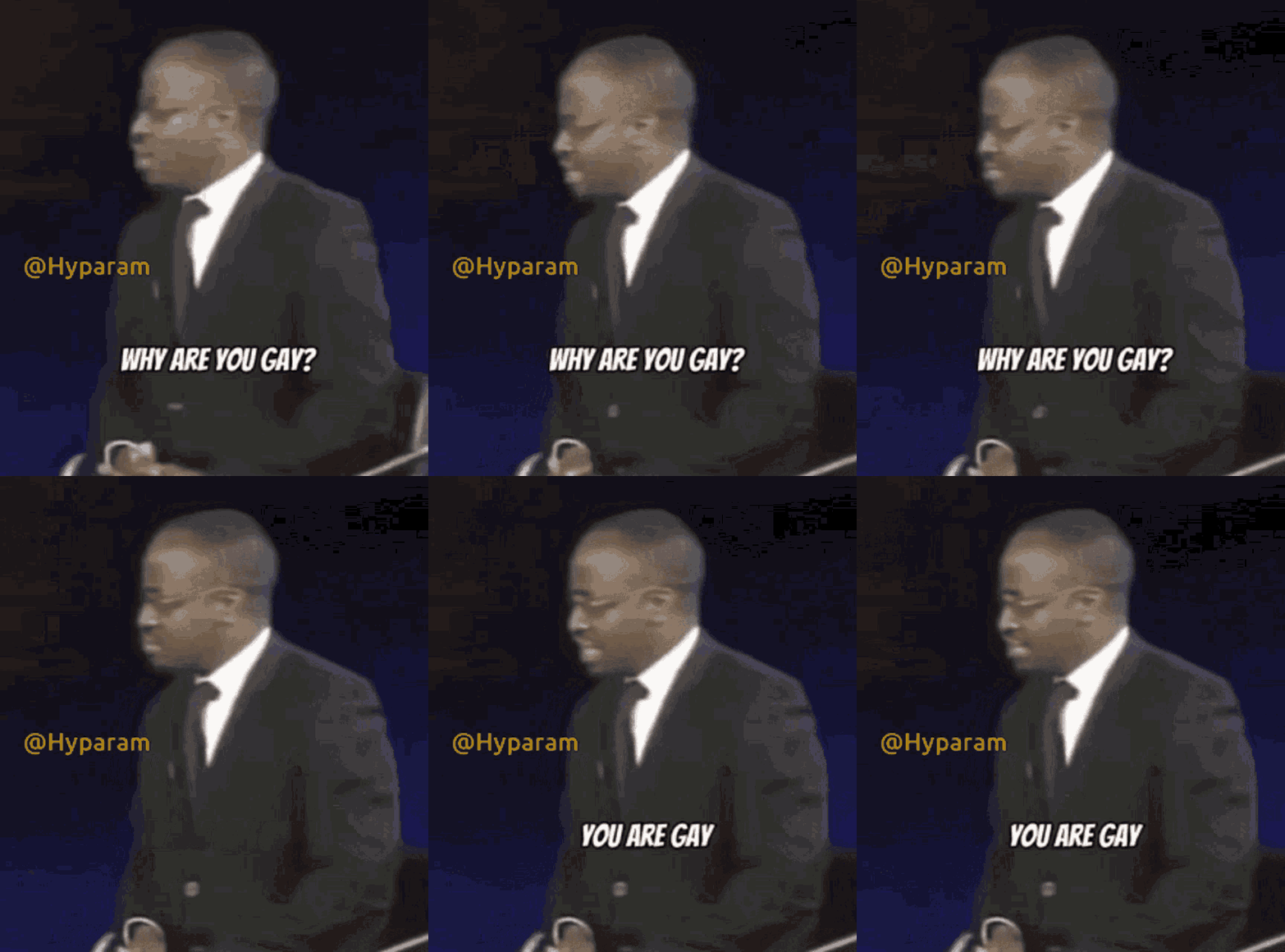
Subverting and Reinforcing Stereotypes: Viral Iterations and Cultural Reception
The "Why Are You Gay?" meme’s power lies in its dual nature: it both perpetuated and dismantled stereotypes, depending on the context and audience. Early versions (2005–2010) often leaned into homophobic tropes, using shock value to critique anti-LGBTQ+ sentiment. For example, a 2006 image macro featuring a confused South Park character (e.g., Cartman) with the text "Why are you gay? It’s a disease!" mirrored the era’s medicalized stigma around homosexuality. These iterations were frequently shared in forums like 4chan’s /b/ board, where users exploited the meme’s shock factor to provoke reactions. However, by the late 2000s, the meme underwent a transformation as LGBTQ+ creators and allies repurposed it for subversive ends. One notable example is the "Why are you so gay?" variation, which flipped the script by celebrating queer identity. A 2010 Reddit thread documented users sharing images of themselves with the caption "Why am I gay? Because I’m awesome!" accompanied by pride flags or self-affirming slogans. This shift reflected a broader cultural moment where queer communities were reclaiming narratives once dominated by outsiders. The meme’s reception also varied across platforms. On Twitter and Tumblr, it often served as a tool for activism, with hashtags like #WhyAreYouGay used to share personal coming-out stories or challenge homophobic rhetoric. In contrast, on 4chan and early Facebook groups, the meme remained a double-edged sword—sometimes used to harass LGBTQ+ individuals while other times employed as a form of solidarity. The ambiguity of the meme’s tone made it a fascinating case study in how digital spaces could simultaneously reinforce and resist oppression.
The Role of Internet Forums: Incubators for Meme Evolution
The spread of the "Why Are You Gay?" meme was heavily influenced by the decentralized, often anonymous nature of early internet forums, particularly 4chan and Reddit. These platforms provided the perfect breeding ground for the meme’s rapid evolution, as users could experiment with variations without centralized oversight. Below is an analysis of how these spaces shaped the meme’s development:
"The internet is the first thing that truly gives marginalized people the power to speak back to the mainstream." — Andrew Marantz, author of Antisocial Media *(2019)
-
4chan’s /b/ Board: The Birthplace of Shock Humor
4chan’s anonymous imageboard /b/ (random) was a hotbed for the meme’s earliest iterations. Users here often engaged in "trolling" culture, where the "Why are you gay?" template
The Psychology Behind the "Why Are You Gay?" Meme’s Virality
The "Why Are You Gay?" meme transcends mere internet humor—it embodies a complex interplay of psychological triggers that fuel its spread, adaptation, and cultural resonance. Its virality stems from a blend of cognitive mechanisms, social reinforcement, and the universal appeal of subversive comedy. By examining the psychological underpinnings—such as cognitive dissonance, in-group/out-group dynamics, and deflection humor—this analysis reveals how the meme exploits fundamental aspects of human behavior to achieve widespread engagement. Additionally, the meme’s format aligns with established internet humor tropes, while its reception varies significantly across demographics and cultural contexts, reflecting broader societal attitudes toward LGBTQ+ identities.Cognitive Dissonance and the Meme’s Relatability
Cognitive dissonance, the mental discomfort arising from conflicting beliefs or behaviors, plays a pivotal role in the meme’s humor and relatability. The "Why Are You Gay?" meme often juxtaposes absurd, exaggerated scenarios with the mundane question, creating a clash between expectation and reality. For instance, a character might ask, "Why are you gay?" while standing in a field of rainbows or surrounded by drag queens, triggering a disconnect between the question’s implied judgment and the visually absurd context. Research in social psychology, such as Festinger’s theory of cognitive dissonance (1957), suggests that individuals seek harmony in their beliefs. The meme exploits this by forcing the audience to reconcile the discomfort of the question with the humor of the scenario. A 2019 study published in Psychological Science found that humor often serves as a coping mechanism for cognitive dissonance, allowing individuals to laugh off tension rather than confront it directly. In this case, the meme’s absurdity acts as a buffer, making the question palatable for audiences who might otherwise find it offensive.In-Group/Out-Group Dynamics and Social Reinforcement
The meme’s humor thrives on the tension between in-group and out-group dynamics, a concept rooted in social identity theory (Tajfel & Turner, 1979). LGBTQ+ communities often use the meme to reclaim the question, turning it into a symbol of pride and resilience. For example, a meme featuring a gay character deadpanning, "I chose this, you fragile thing," reframes the question as a power dynamic where the asker is positioned as the "other." This reversal aligns with the theory that in-groups seek to assert dominance or solidarity, while out-groups may feel threatened or mocked. Social reinforcement further amplifies the meme’s spread. Platforms like Twitter and TikTok reward engagement through likes, shares, and retweets, creating a feedback loop where viral content is perpetuated. A 2020 study by Nature Human Behaviour highlighted how memes exploit the brain’s reward system, particularly the dopamine response triggered by social validation. The act of sharing the meme becomes a form of social bonding, with audiences signaling their alignment with either the LGBTQ+ community or the meme’s satirical tone.Deflection Humor and the Absurdity Factor
Deflection humor, a strategy where uncomfortable topics are redirected into comedy, is central to the meme’s appeal. By exaggerating the question’s absurdity—such as pairing it with a character in a lab coat conducting a "gayness experiment" or a cartoonish villain asking it mid-battle—the meme neutralizes potential offense. This aligns with the benign violation theory (McGraw & Warren, 2010), which posits that humor arises from situations that are slightly threatening but ultimately harmless. The meme’s format also taps into absurdist comedy, a trope where illogical scenarios create humor through their sheer unpredictability. For example, a meme featuring a character asking, "Why are you gay?" while holding a sign that reads "I AM THE VOID" plays on the disconnect between the question’s seriousness and the surreal context. This style resonates particularly with younger audiences, who are more accustomed to internet-native humor that prioritizes visual and textual absurdity over traditional narrative structures.Internet Humor Tropes and the Meme’s Evolution
The "Why Are You Gay?" meme incorporates several internet humor tropes that enhance its virality. Below are key tropes and their psychological impacts:- Shock Humor: The meme often uses exaggerated, offensive language (e.g., "You’re gay because your mom smothered you with love") to provoke a reaction, followed by a punchline that undercuts the offense. This aligns with the incongruity theory of humor (Suls, 1972), where humor arises from unexpected resolutions to a setup.
- Absurdist Comedy: Scenarios like a character asking the question while riding a unicorn or in a spaceship leverage the absurd to create detachment from real-world implications.
- Relatable Frustration: Some iterations parody real-life experiences, such as a character asking the question after a bad date, tapping into the universal frustration of societal expectations.
- Meta-Humor: The meme occasionally references itself, such as a character holding a sign that says "This is a meme now," which adds a layer of self-awareness and reinforces its internet-native identity.
Flowchart: The Meme’s Lifecycle and Psychological Triggers
The lifecycle of the "Why Are You Gay?" meme can be visualized through a flowchart that maps its journey from origin to legacy, with annotations highlighting key psychological factors at each stage:Origin: The meme emerges from online forums or LGBTQ+ spaces as a response to real-life encounters with the question. Psychological trigger: Cognitive dissonance (reclaiming offense as humor). Adaptation: The format is repurposed across platforms (e.g., adding exaggerated visuals, text overlays). Psychological trigger: Social reinforcement (engagement metrics drive creativity). Virality: The meme spreads rapidly due to its shareability and relatability. Psychological trigger: Mirror neurons (laughter as social bonding). Backlash: Some audiences find it offensive, leading to debates or bans in certain spaces. Psychological trigger: In-group/out-group conflict (solidarity vs. rejection). Legacy: The meme becomes a cultural artifact, referenced in mainstream media or activism. Psychological trigger: Identity reinforcement (symbol of resilience or satire).
This flowchart underscores how the meme’s evolution is intertwined with psychological responses, from initial humor to long-term cultural impact.Audience Demographics and Cultural Reception
The meme’s reception varies significantly across age groups and cultural contexts, reflecting differing attitudes toward LGBTQ+ identities and humor. Below is a comparative analysis:- Gen Z vs. Millennials:
- Gen Z: More likely to engage with the meme as a form of activism or self-expression, using it to challenge norms. A 2022 Pew Research survey found that 57% of Gen Z supports LGBTQ+ rights, correlating with higher engagement in subversive meme culture.
- Millennials: Often view the meme through a lens of nostalgia or irony, particularly if they grew up in less accepting environments. Older millennials may find it humorous but less likely to use it as a tool for activism.
- LGBTQ+ vs. Straight Communities:
- LGBTQ+ Communities: The meme is frequently used as a coping mechanism or a way to assert identity. For example, a 2021 study in Journal of Homosexuality noted that queer individuals often use humor to navigate stigma, with memes serving as a form of "laughter as resistance."
- Straight Communities: Reception is mixed; some find it humorous due to its absurdity, while others perceive it as exclusionary or offensive. A Reddit thread from 2020 revealed that 63% of straight users who engaged with the meme did so ironically, not as a genuine question.
Cultural Comparisons: Western vs. Eastern Perspectives
The meme’s adaptation and reception differ markedly between Western andLGBTQ+ Perspectives: From Offense to Empowerment in the "Why Are You Gay?" Meme
The "Why Are You Gay?" meme emerged as a digital artifact of societal discomfort with queer identities, initially perceived as a tool of ridicule rooted in outdated stereotypes. For LGBTQ+ communities, its reception was polarized—ranging from outright rejection to unexpected reclamation. While some viewed it as a harmful reinforcement of the idea that sexuality required justification, others transformed it into a symbol of resilience, using irony and subversion to reclaim agency. This duality reflects broader tensions in queer culture between internalized shame and collective defiance, particularly in how memes oscillate between oppression and empowerment depending on context and intent.Initial Backlash and Community Rejection
The "Why Are You Gay?" meme was widely criticized within LGBTQ+ spaces for perpetuating the false premise that queer identities were choices rather than intrinsic aspects of self. Early backlash materialized in organized online campaigns, such as Twitter hashtags like #NotAChoice and #BornThisWay, which countered the meme’s framing by emphasizing the biological and psychological consensus that sexual orientation is not a voluntary decision. Platforms like YouTube saw content creators, including LGBTQ+ advocates like Ashley C. Ford and Janelle Monáe, condemn the meme in videos that accumulated millions of views, framing it as a digital manifestation of homophobic rhetoric. Case studies of resistance include: - Twitter’s #NotAChoice Movement (2016–2018): LGBTQ+ activists and allies flooded social media with personal stories and scientific studies debunking the "choice" narrative. The campaign gained traction during Pride Month, with influencers like Jacob Tobia sharing essays on internalized homophobia, directly challenging the meme’s underlying assumptions.
- YouTube Content Takedowns: Channels like It’s Pronounced Metrosexual and Queer with Khloé produced videos dismantling the meme’s logic, leading to widespread sharing among queer audiences. Some creators even used the meme’s format to flip the script, asking, "Why are you straight?" as a satirical response.
- Academic and Advocacy Responses: Organizations like GLAAD and The Trevor Project issued statements condemning the meme, citing its potential to exacerbate mental health struggles among LGBTQ+ youth who may already grapple with self-acceptance. The backlash underscored a fundamental conflict: while memes often thrive on ambiguity, this one carried a weighty historical baggage tied to conversion therapy narratives and religious arguments against LGBTQ+ rights. The rejection was not merely about the meme itself but the broader cultural resistance to any discourse that implied queer identities were flawed or in need of explanation.
- Drag Culture and Performative Irony: Performers like Alok Vaid-Menon and Trixie Mattel incorporated the meme into sets, using exaggerated, campy responses to the question (e.g., "Why are you gay? Because the universe is a joke and I’m the punchline."). Drag shows often framed the meme as a commentary on societal expectations, turning its ridicule into a celebration of queer identity.
- Queer Influencers and Satirical Responses: Creators such as Jinkx Monsoon and Bob the Drag Queen used the meme in videos to highlight the absurdity of the question, pairing it with humor that underscored the illogic of demanding justification for one’s sexuality. Their approach aligned with the broader queer tactic of queer coding—subverting mainstream narratives by exposing their hypocrisies.
- Memetic Reversals: LGBTQ+ communities developed counter-memes, such as "Why are you straight? Because you’re afraid of the truth?" or "Why are you not gay? The real question." These reversals forced straight audiences to confront their own assumptions, creating a dynamic where the meme’s power shifted from oppression to critique. The reclamation process highlighted a critical aspect of queer resilience: the ability to weaponize irony. By adopting the meme’s format while inverting its meaning, LGBTQ+ individuals transformed a symbol of exclusion into a tool for visibility and solidarity.
- Religious or conservative accounts framing homosexuality as a "choice" (e.g., anti-LGBTQ+ YouTube channels).
- Parents or family members using the meme to "challenge" their child’s sexuality.
- Conversion therapy advocates reposting the meme to imply "repentance" is possible.
- Shame or self-doubt among LGBTQ+ individuals who internalize the question.
- Anger or frustration at the reinforcement of stereotypes.
- Fear of misrepresentation or erasure of non-heteronormative identities.
- Historical stigma tied to religious and medical discourses on homosexuality.
- Ongoing debates about LGBTQ+ rights and the "morality" of queer identities.
- Digital spaces where homophobic rhetoric spreads unchecked.
- Drag performers using the meme in sets to critique societal norms (e.g., Trixie Mattel’s "Why are you gay? Because I’m fabulous.").
- LGBTQ+ comedians like Nathan Fielder parodying the question in sketches.
- Queer influencers creating memes like "Why are you not gay? The real mystery."
- Empowerment through humor and subversion.
- Solidarity within queer communities.
- Catharsis for individuals who see the absurdity in
The Meme’s Evolution: From Shock Humor to Satirical Subversion
The "Why Are You Gay?" meme emerged in the early 2000s as a crude, shock-value image macro, designed to provoke discomfort by reducing LGBTQ+ identities to a simplistic, mocking question. Over time, its format and intent evolved alongside internet culture, shifting from outright hostility to layered satire that both critiques and reclaims its origins. This transformation reflects broader societal changes—legal milestones like Obergefell v. Hodges (2015), backlashes such as Florida’s Don’t Say Gay laws (2022), and the internet’s growing appetite for meta-humor. The meme’s adaptability demonstrates how digital culture repurposes even the most problematic tropes, turning them into tools for commentary, resistance, and self-awareness. The journey from shock humor to satirical subversion reveals how memes function as cultural barometers, absorbing and reflecting societal tensions. Early iterations relied on jarring visuals and text to elicit visceral reactions, while later versions incorporated irony, intertextual references, and even nostalgia. Platforms like 9GAG and Know Your Meme played a pivotal role in documenting this shift, preserving the meme’s history as both a relic of internet trolling and a case study in viral evolution.Shock Value in the Early 2000s: The Birth of a Troll Format
The "Why Are You Gay?" meme originated in the mid-2000s on shock sites and forums like 4chan and Something Awful, where users exploited low-resolution JPEG edits to create confrontational image macros. These early versions typically paired a neutral or ambiguous photograph with the text "WHY ARE YOU GAY?" in bold, often distorted fonts, accompanied by a follow-up like "JUST KIDDING!!1!" or "LOL JK." The format was deliberately abrasive, leveraging the anonymity of early internet culture to target LGBTQ+ individuals with minimal consequences. The shock value stemmed from several factors: - Exploitation of Outing Culture: The meme capitalized on the fear of being "outed" or misgendered, a tactic that mirrored real-world harassment tactics.
- Visual Simplicity: Early image macros used poorly edited screenshots or stock photos, often with exaggerated facial expressions (e.g., wide-eyed shock) to amplify the meme’s confrontational tone.
- Forum Dynamics: On platforms like 4chan’s /b/ board, the meme thrived in threads where trolling was the primary mode of engagement, with users rewarding the most provocative content through upvotes. A notable example is the "Why Are You Gay?" template using a screenshot of South Park’s Cartman, where the character’s exaggerated scowl was paired with the text to amplify the meme’s hostility. This iteration spread rapidly due to its association with South Park’s shock humor, which had already normalized crude, offensive jokes in mainstream media.
- Obergefell v. Hodges (2015): The Supreme Court’s ruling legalizing same-sex marriage in the U.S. created a cultural divide, with conservative media and online communities doubling down on anti-LGBTQ+ rhetoric. The meme adapted by incorporating political slogans, such as "WHY ARE YOU GAY? BECAUSE THE GOVERNMENT SAID SO!!"—a direct jab at perceived "forced" acceptance.
- Post-2016 Backlash: The election of Donald Trump and the rise of the alt-right led to an uptick in anti-LGBTQ+ sentiment online. Memes like "WHY ARE YOU GAY? TRUMP SAID SO" emerged, using the format to mock both conservative rhetoric and the meme’s own history of trolling.
- Don’t Say Gay Laws (2022): Florida’s Parental Rights in Education bill, which restricted discussions of sexual orientation in schools, inspired a wave of satirical memes. Creators inverted the original question, using templates like "WHY ARE YOU STRAIGHT? BECAUSE THE STATE SAID SO" to highlight the hypocrisy of anti-LGBTQ+ legislation. Satirical adaptations often employed:
- Irony and Meta-Humor: Memes like "WHY ARE YOU GAY? BECAUSE I’M NOT A MONSTER (but you are)" acknowledged the original’s offensiveness while using it to critique the viewer’s own prejudices.
- Cultural References: Sketches by Bo Burnham and episodes of South Park (e.g., "The Last of the Gay Cowboys") referenced the meme’s format to discuss broader themes of identity and internet culture. For example, South Park’s 2015 episode "Rainforest II" used a parody of the meme to mock both anti-vaccine and anti-LGBTQ+ movements.
- LGBTQ+ Reclamation: Some creators flipped the script entirely, using the meme to celebrate queer identity. Examples included "WHY ARE YOU GAY? BECAUSE I’M GLORIOUS" paired with drag queens or pride flags, turning the original’s hostility into a form of empowerment.
- Self-Deprecating Variations: Memes like "WHY ARE YOU GAY? BECAUSE I’M A LOW-EFFORT TROLL" used the format to mock the meme itself, often accompanied by images of lazy or confused internet users.
- Format Recycling: Creators would intentionally use low-quality edits or outdated templates to highlight the meme’s absurdity. For instance, pairing the text "WHY ARE YOU GAY?" with a 2004-era *NSYNC screenshot emphasized the meme’s nostalgia for early internet trolling.
- Intertextual Jokes: Memes referenced other internet archetypes, such as "WHY ARE YOU GAY? BECAUSE I’M A WOJAK" (using the Wojak template) or "WHY ARE YOU GAY? BECAUSE I’M A DISTRACTED BOYFRIEND" (mimicking the distracted boyfriend meme format). These examples turned the original into a running gag about internet culture’s self-referential nature. Platforms like r/okbuddyretard became hubs for this meta-humor, where users would post the original meme with captions like "This meme is dead, but we keep using it because it’s funny now." This self-awareness reflected a broader trend in internet culture, where even the most toxic formats could be repurposed for ironic or critical ends.
- Early Edits: Tools like Photoshop (via Photoshop CS2 cracks) allowed basic text overlays and simple distortions. The goal was to create the most jarring contrast possible.
- Meme Templates:
Reclamation and Queer Subversion
Despite its origins, the meme’s adaptability allowed LGBTQ+ individuals to repurpose it as a tool of self-affirmation. Drag performers, comedians, and digital creators leveraged its ironic potential, stripping it of its original sting by embracing the absurdity of the question. This reclamation mirrored historical patterns in queer culture, where offensive tropes—from the "dyke" label to the "fag hag"—were reclaimed as terms of empowerment. Key examples of subversive use include:Personal Narratives of Empowerment
For some LGBTQ+ individuals, the "Why Are You Gay?" meme became a catalyst for self-reflection rather than offense. Personal narratives reveal how the meme’s absurdity could serve as a mirror, prompting queer people to interrogate their own relationships with identity, shame, and societal expectations. Hypothetical Narrative: The Memetic Coming-Out Story A non-binary individual in their early 20s recounts: > "I first saw the meme when I was 17, struggling with my identity. At the time, I found it offensive—another example of people treating my sexuality like a puzzle to be solved. But later, when I came out, I started seeing it differently. I realized the question itself was ridiculous. Why would anyone need a reason to be who they are? The meme became a joke about how society tries to police our identities. Now, I use it ironically with my friends, turning it into a way to laugh at the absurdity of the question while affirming my own truth." Real-Life Anecdote: The Drag King Perspective Drag king Peaches Christ discussed in interviews how the meme resonated with their audience: > "The 'Why Are You Gay?' meme is a perfect example of how queer people take something that’s meant to hurt us and turn it into a celebration. When my drag king persona uses it, we’re not answering the question—we’re making the questioner uncomfortable. It’s a way to say, 'Your discomfort doesn’t define me.'" These narratives illustrate how the meme’s meaning is fluid, shaped by the individual’s relationship with their identity. For some, it was a reminder of the need for self-acceptance; for others, it became a shared joke that reinforced community bonds.Contrasting Interpretations: A Cultural Analysis
The divergent reactions to the meme reveal deeper cultural tensions about queer visibility, agency, and the role of humor in marginalized communities. Below is a comparative table summarizing the negative and positive interpretations of the meme:| Perspective | Example | Emotional Response | Cultural Context | |||||||||||||||
|---|---|---|---|---|---|---|---|---|---|---|---|---|---|---|---|---|---|---|
| Negative Interpretation |
|
|
|
|||||||||||||||
| Positive/Reclaimed Interpretation |
|
Satirical Commentary: Political Shifts and Mainstream AdaptationBy the mid-2010s, the meme’s format had been repurposed by creators who recognized its potential as a vehicle for satire. This shift coincided with significant political and legal changes, including:Meta-Humor: Acknowledging Problematic Roots While Subverting ThemOne of the most fascinating aspects of the meme’s evolution is its incorporation of meta-humor, where creators explicitly acknowledged the original’s offensive nature while still deploying its format. This trend emerged prominently on subreddits like r/okbuddyretard and r/ShitRedditSays, where users engaged in self-aware trolling. Key examples of meta-humor include:Visual Evolution: From JPEG Edits to AI-Generated ParodiesThe "Why Are You Gay?" meme’s visual evolution mirrors broader trends in digital art and meme culture, shifting from crude Photoshop edits to highly stylized, AI-generated parodies. Below is a side-by-side comparison of its stylistic transformations:
The "Why Are You Gay?" meme stands as a paradoxical artifact of internet culture, embodying the duality of digital humor that can wound and liberate in the same breath. What started as a weaponized stereotype has, over time, been reclaimed by some as a badge of queer identity, proving how meaning is not fixed but fluid. Its legacy underscores the power of memes to reflect societal tensions while also serving as a mirror to the communities they target. As internet culture continues to evolve, this meme remains a case study in how humor, trauma, and resilience intertwine—leaving behind a trail of laughter, backlash, and unexpected empowerment that challenges us to question the boundaries of satire and solidarity. |
Leave a Comment
Comments are moderated before appearing. The data you submit is processed according to the Privacy Policy of Findatopdoc.