What is best for pain after oral surgery managing recovery effectively
Table of Contents
- Understanding Post-Oral Surgery Pain: Causes and Mechanisms
- Physiological Processes Triggering Post-Surgical Pain
- Comparison of Pain Intensity and Duration Across Common Oral Surgeries
- Anatomical Areas Most Affected by Post-Surgical Pain
- Psychological and Individual Factors Influencing Pain Perception
- Immediate Post-Surgery Pain Management: First 24–48 Hours
- Step-by-Step Pain Management Protocol for Hours 1–48
- Medication Timing and Dosages
- Prescribed Opioids (Short-Term Use)
- Over-the-Counter (OTC) Pain Relievers
- Cold Therapy Techniques for Swelling Reduction
- Optimal Cold Therapy Protocol
- Dietary Restrictions and Recommendations
- First 24 Hours: Liquid and Soft Diet Guidelines
- Topical Anesthetics and Numbing Agents
- Recommended Products and Application
- Non-Pharmacological Pain Reduction Methods
- Gentle Mouth Rinses
- Advanced Pain Relief Strategies: Beyond the First 48 Hours
- Pharmacological Interventions for Persistent Post-Surgery Pain
- Topical Treatments and Local Anesthetic Techniques
- Structured Guide for Managing Dry Socket (Alveolar Osteitis)
- Alternative and Complementary Therapies for Pain Relief
- Flowchart for Escalating Pain Management Care
Recovering from oral surgery often brings discomfort that can disrupt daily life, yet most patients struggle to find the right balance between relief and proper healing. The pain experienced after procedures like tooth extractions or dental implants stems from a complex interplay of inflammation, nerve exposure, and psychological stress, making effective management a critical factor in speeding up recovery. Without the right approach, even routine surgeries can turn into prolonged agony, forcing individuals to navigate a maze of medications, therapies, and lifestyle adjustments.
Understanding the science behind post-surgery pain—from the role of chemical mediators like prostaglandins to the impact of anxiety on perception—can empower patients to make informed decisions. Meanwhile, the first 48 hours post-surgery serve as a pivotal window where immediate actions, such as cold therapy and precise medication timing, can either mitigate suffering or exacerbate complications. Yet, beyond the initial phase, advanced strategies like nerve blocks, alternative therapies, and psychological support often remain underutilized, leaving many to endure unnecessary discomfort.

Understanding Post-Oral Surgery Pain: Causes and Mechanisms
Post-oral surgery pain arises from a complex interplay of physiological, anatomical, and psychological factors. Unlike general discomfort, this type of pain is triggered by direct trauma to soft tissues, bone, and nerves, often compounded by the body’s inflammatory response. The mechanisms underlying post-surgical pain extend beyond mere tissue damage; they involve the activation of nociceptors (pain receptors), the release of pro-inflammatory mediators, and the sensitization of peripheral and central nervous pathways. Understanding these processes is critical for patients and healthcare providers to anticipate pain levels, select appropriate interventions, and mitigate complications such as chronic pain or nerve dysfunction. The discomfort experienced after procedures like tooth extractions, wisdom teeth removal, or dental implants stems from multiple sources, including mechanical disruption of tissues, exposure of sensitive nerve endings, and the body’s subsequent immune response. For instance, the inferior alveolar nerve, a branch of the trigeminal nerve (cranial nerve V), plays a pivotal role in transmitting pain signals from the lower jaw to the brain. Similarly, the superior alveolar nerves innervate the upper jaw, while the lingual and buccal nerves contribute to pain in the tongue and cheek regions. Chemical mediators such as prostaglandins, bradykinin, histamine, and cytokines (e.g., interleukin-1 and tumor necrosis factor-alpha) further amplify pain by increasing vascular permeability, promoting edema, and sensitizing nerve endings. These mediators create a feedback loop, prolonging inflammation and delaying healing.
Physiological Processes Triggering Post-Surgical Pain
 The initiation of post-oral surgery pain begins with tissue trauma, where mechanical forces from surgical instruments disrupt blood vessels, nerves, and connective tissues. This disruption releases potassium ions, ATP, and glutamate from damaged cells, directly activating nociceptors. The body responds with hemostasis (blood clotting) and inflammation, characterized by the migration of immune cells (neutrophils, macrophages) to the site. During this phase, prostaglandins (derived from arachidonic acid via the COX pathway) lower the threshold for pain receptor activation, making even gentle pressure excruciating.
The trigeminal nerve, the primary sensory nerve of the face, is particularly vulnerable during oral surgeries. Its three branches—the ophthalmic (V1), maxillary (V2), and mandibular (V3)—transmit pain signals from different regions of the mouth and jaw. For example, damage to the inferior alveolar nerve (a branch of V3) during a lower wisdom tooth extraction can cause radiating pain to the lips, chin, or even the ear due to referred pain phenomena. Similarly, sinus exposure during upper molar extractions may lead to pain radiating to the cheek or temple, as shared nerve pathways between the maxillary teeth and sinus lining contribute to cross-sensitization.
The initiation of post-oral surgery pain begins with tissue trauma, where mechanical forces from surgical instruments disrupt blood vessels, nerves, and connective tissues. This disruption releases potassium ions, ATP, and glutamate from damaged cells, directly activating nociceptors. The body responds with hemostasis (blood clotting) and inflammation, characterized by the migration of immune cells (neutrophils, macrophages) to the site. During this phase, prostaglandins (derived from arachidonic acid via the COX pathway) lower the threshold for pain receptor activation, making even gentle pressure excruciating.
The trigeminal nerve, the primary sensory nerve of the face, is particularly vulnerable during oral surgeries. Its three branches—the ophthalmic (V1), maxillary (V2), and mandibular (V3)—transmit pain signals from different regions of the mouth and jaw. For example, damage to the inferior alveolar nerve (a branch of V3) during a lower wisdom tooth extraction can cause radiating pain to the lips, chin, or even the ear due to referred pain phenomena. Similarly, sinus exposure during upper molar extractions may lead to pain radiating to the cheek or temple, as shared nerve pathways between the maxillary teeth and sinus lining contribute to cross-sensitization.
Key Mediators in Post-Surgical Pain:
Prostaglandins (PGE₂, PGI₂): Increase vascular permeability and sensitize nociceptors. Bradykinin: Directly stimulates nerve endings and enhances prostaglandin effects. Histamine: Causes vasodilation and itching, indirectly worsening discomfort. Cytokines (IL-1, IL-6, TNF-α): Prolong inflammation and promote nerve hypersensitivity.
Comparison of Pain Intensity and Duration Across Common Oral Surgeries
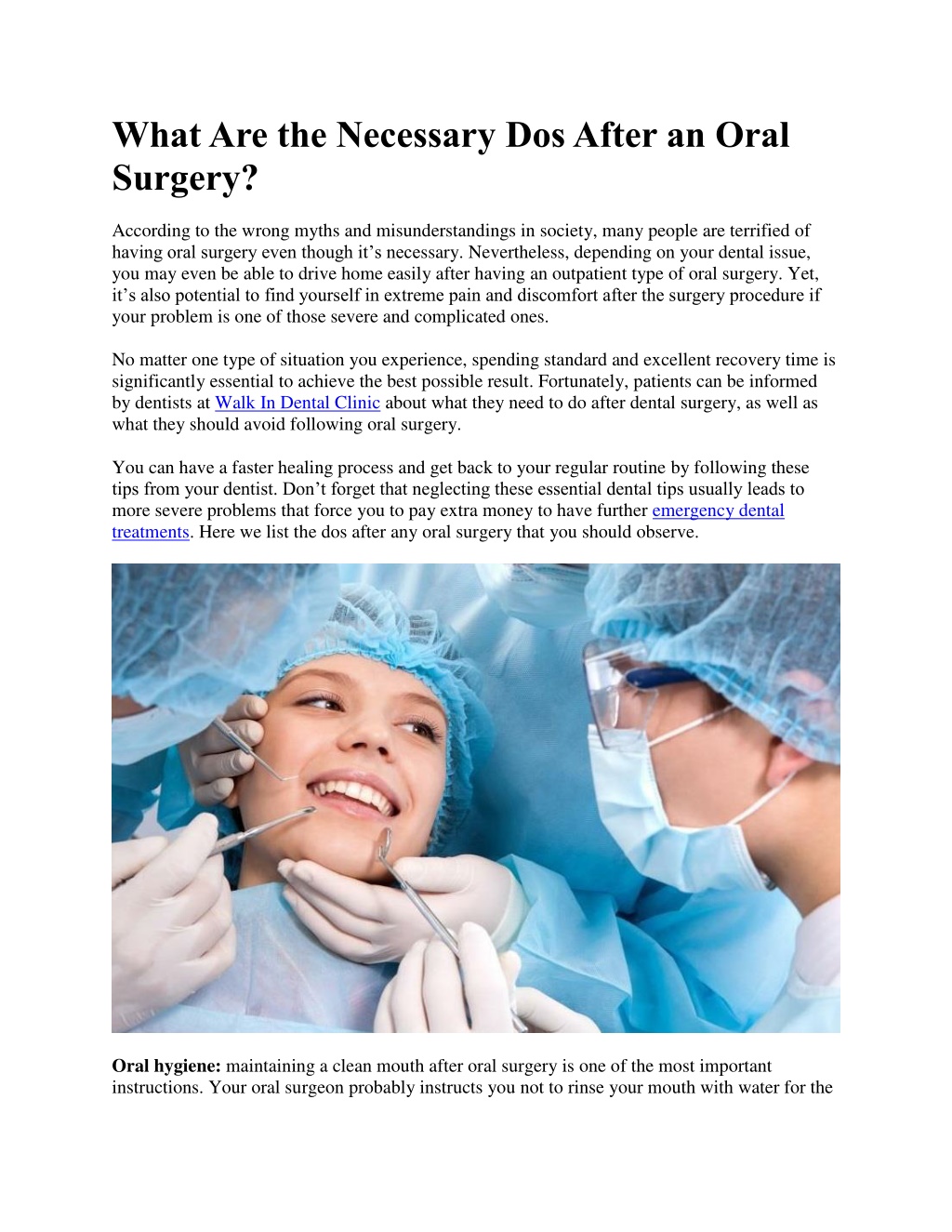 The severity and duration of post-surgical pain vary significantly depending on the procedure’s complexity, anatomical location, and individual healing capacity. Below is a comparative table outlining pain profiles for three common oral surgeries: simple extraction, surgical extraction (e.g., impacted wisdom teeth), and bone grafting.
| Procedure | Primary Pain Triggers | Peak Pain Intensity (1-10 Scale) | Average Duration of Severe Pain | Total Recovery Timeline | Common Complications Affecting Pain |
|---|---|---|---|---|---|
| Simple Extraction (e.g., non-impacted molar) | Gum trauma, socket exposure, minor nerve irritation | 5-7 (first 24-48 hours) | 3-5 days | 7-14 days | Dry socket (alveolar osteitis), mild infection |
| Surgical Extraction (e.g., impacted wisdom teeth) | Bone removal, nerve manipulation (inferior alveolar), extensive soft tissue dissection | 7-9 (first 3-5 days, especially with nerve involvement) | 5-10 days | 2-4 weeks | Nerve damage (paresthesia), dry socket, sinus perforation (upper jaw) |
| Bone Grafting (e.g., sinus lift, ridge augmentation) | Bone drilling, membrane placement, prolonged surgery time, sinus exposure | 6-8 (peaks at 3-7 days, often with referred sinus/cheek pain) | 7-14 days | 3-6 months (full osseointegration) | Infection, graft failure, prolonged nerve sensitivity |
Note: Pain intensity is subjective and influenced by individual pain tolerance, but these ranges reflect clinical observations. Procedures involving nerve manipulation or sinus exposure tend to prolong recovery due to delayed nerve regeneration and increased risk of complications.
Anatomical Areas Most Affected by Post-Surgical Pain
Post-oral surgery pain is rarely confined to the surgical site; it often radiates due to shared nerve pathways and anatomical connections. The trigeminal nerve’s three divisions play a central role in referred pain patterns: 1. Mandibular Division (V3):
2. Maxillary Division (V2):
3. Ophthalmic Division (V1):
Referred Pain Pathways in Oral Surgery:
Lower Jaw → Ear/Temple: Via trigeminal-autonomic reflexes (e.g., Frey’s syndrome-like symptoms). Upper Jaw → Sinus/Cheek: Due to shared innervation with the nasopalatine nerve and sinus mucosa. Tongue/Nerve Damage: Lingual nerve injury (branch of V3) can cause burning pain or numbness radiating to the lips and gums.
Psychological and Individual Factors Influencing Pain Perception
While physiological mechanisms dominate post-surgical pain, psychological factors such as anxiety, fear, and past trauma can significantly amplify perceived pain intensity. Studies in pain psychology demonstrate that patients with high state anxiety (temporary stress) or trait anxiety (chronic tendency) report greater discomfort post-surgery, even when objective tissue damage is similar. Mechanisms Linking Psychology to Pain:
Immediate Post-Surgery Pain Management: First 24–48 Hours
The first 48 hours following oral surgery represent the most critical window for pain management, where proactive measures can significantly reduce discomfort, swelling, and recovery time. During this period, patients experience heightened sensitivity due to nerve exposure, tissue manipulation, and inflammatory responses. Effective pain control in these hours not only enhances patient comfort but also minimizes complications such as excessive bleeding, infection, or medication-related side effects. A structured protocol combining pharmacological interventions, cold therapy, dietary adjustments, and non-pharmacological techniques ensures optimal recovery while mitigating risks associated with improper pain management.
Step-by-Step Pain Management Protocol for Hours 1–48
A systematic approach tailored to the timeline of post-surgical pain progression is essential. Pain typically peaks 6–8 hours post-surgery due to the dissipation of anesthesia and the onset of inflammation, then fluctuates before stabilizing by 24–48 hours. Below is a hour-by-hour protocol designed to preemptively address pain and swelling, with adjustments based on the type of surgery (e.g., tooth extraction, wisdom teeth removal, or dental implant placement).
Medication Timing and Dosages
Pharmacological pain management should begin before the anesthesia wears off to ensure continuous coverage. The choice of medication depends on the patient’s medical history, severity of pain, and potential drug interactions.
Prescribed Opioids (Short-Term Use)
Over-the-Counter (OTC) Pain Relievers
OTC medications serve as the first line of defense for mild to moderate pain and are often used in combination with opioids for enhanced efficacy.
| Medication | Dosage | Timing | Efficacy | Side Effects & Contraindications |
|---|---|---|---|---|
| Ibuprofen (NSAID) | 200–400 mg every 6–8 hours | Start immediately post-surgery, continue for 24–48 hours. | Reduces inflammation and pain; peaks in 1–2 hours. | Stomach irritation, increased bleeding risk, avoid if kidney disease, ulcers, or on blood thinners. |
| Acetaminophen | 500–1000 mg every 6 hours | Alternate with ibuprofen if needed. | Effective for pain and fever; no anti-inflammatory effect. | Liver toxicity at high doses (>4g/day); avoid with alcohol or liver disease. |
| Naproxen (NSAID) | 220–275 mg every 8–12 hours | Longer duration than ibuprofen. | Stronger anti-inflammatory effect; lasts 8–12 hours. | Similar to ibuprofen but higher risk of kidney issues with prolonged use. |
Key Strategy:
Cold Therapy Techniques for Swelling Reduction
Swelling peaks 24–72 hours post-surgery but begins within 6–8 hours. Cold therapy constricts blood vessels, reducing edema and numbing the area.
Optimal Cold Therapy Protocol
Why It Works:
Cold therapy reduces prostaglandin release (inflammatory mediators), decreasing swelling by 30–50% within the first 24 hours. Studies show patients using cold therapy report 40% less discomfort compared to those who don’t.
Dietary Restrictions and Recommendations
Proper nutrition supports healing while avoiding dislodging blood clots (critical for socket healing).
First 24 Hours: Liquid and Soft Diet Guidelines
Post-48 Hours Transition:
Topical Anesthetics and Numbing Agents
Localized pain from exposed nerves or minor irritation can be managed with topical agents.
Recommended Products and Application
| Product | Active Ingredient | Application Method | Duration of Relief | Precautions |
|---|---|---|---|---|
| Orajel Pain Relief Gel | Benzocaine (20%) | Apply 0.5 cm to surgical site with clean finger; avoid swallowing. | 15–30 minutes | Allergic reactions (rare); not for open wounds. |
| Dyclone Oral Topical | Dyclonine HCl (1%) | Spray 2–3 times on affected area; do not exceed 4 applications/day. | 30–60 minutes | May cause numbness of tongue/lips; avoid if allergic to local anesthetics. |
| Anbesol Maximum Strength | Benzocaine (20%) | Apply thin layer to gums; repeat every 2–3 hours as needed. | 20–40 minutes | Methemoglobinemia risk in infants/children (avoid in pediatric patients). |
Best Practices:
Non-Pharmacological Pain Reduction Methods
Non-medical techniques complement pharmacological approaches to enhance comfort.
Gentle Mouth Rinses
Advanced Pain Relief Strategies: Beyond the First 48 Hours
Effective pain management after oral surgery extends far beyond the initial 48-hour window, where swelling and acute discomfort typically peak. Beyond this period, patients may encounter persistent or evolving pain due to nerve irritation, muscle tension, or complications such as dry socket (alveolar osteitis). Advanced strategies for pain relief in this phase require a tailored approach, balancing pharmacological interventions, adjuvant therapies, and complementary techniques to optimize recovery while minimizing reliance on strong medications. This section explores evidence-based methods for managing prolonged postoperative pain, including prescription medications, topical treatments, nerve blocks, and alternative therapies, along with structured protocols for addressing complications and integrating physical and psychological support.
Pharmacological Interventions for Persistent Post-Surgery Pain
When pain persists beyond the initial recovery phase, healthcare providers may prescribe stronger or alternative medications to address its underlying causes. Prescription opioids, such as oxycodone or hydrocodone, remain a cornerstone for moderate to severe pain but are typically reserved for short-term use due to risks of dependence and side effects like nausea or sedation. For patients experiencing neuropathic pain—characterized by sharp, burning, or electric-like sensations—gabapentin or pregabalin (anticonvulsants) are often recommended. These medications modulate nerve signals in the brain and spinal cord, providing relief for pain stemming from nerve damage during surgery. Adjuvant therapies play a critical role in managing complex pain syndromes. Muscle relaxants, such as cyclobenzaprine or baclofen, are prescribed for patients with trismus (jaw muscle spasms) or tension-related pain. Low-dose antidepressants, particularly duloxetine or amitriptyline, are effective for neuropathic pain due to their dual action on serotonin and norepinephrine pathways, which influence pain perception. Patients with chronic post-surgical pain may also benefit from ketamine infusions in specialized settings, as ketamine’s NMDA receptor antagonism can disrupt pain signaling pathways.
Key Consideration: Pharmacological interventions should be individualized based on pain type (nociceptive vs. neuropathic), patient medical history, and potential drug interactions. Always consult a healthcare provider before combining medications or adjusting dosages.
Topical Treatments and Local Anesthetic Techniques
Topical therapies provide targeted pain relief with minimal systemic side effects, making them ideal for localized discomfort or nerve-related pain. Lidocaine patches (5%) are commonly used for post-surgical pain, particularly in the jaw or cheek area, where they deliver a steady dose of local anesthetic to the skin and underlying tissues. These patches are applied directly to the painful region and can be worn for up to 12 hours, with effects lasting 3–5 hours per application. For mucosal pain (e.g., irritation in the mouth or gums), lidocaine viscous gel or benzocaine sprays offer temporary relief, though their use should be limited to avoid mucosal numbness or allergic reactions. Menthol-based creams and capsaicin gels exploit the body’s natural pain-modulating pathways. Menthol activates TRPM8 receptors, creating a cooling sensation that distracts from pain signals, while capsaicin depletes substance P (a neurotransmitter involved in pain transmission), providing longer-term relief for inflammatory or neuropathic pain. However, capsaicin may cause initial burning and is not suitable for all patients, particularly those with sensitive skin. For prolonged nerve blocks, healthcare providers may administer long-acting local anesthetics such as bupivacaine or ropivacaine near major nerves (e.g., the inferior alveolar nerve for mandibular surgeries). These injections can provide 6–24 hours of pain relief and are particularly useful for procedures involving tooth extraction or bone grafting. Nerve blocks are typically performed in a clinical setting using ultrasound guidance to ensure precision, reducing the risk of nerve damage or systemic toxicity.
Administration Note: Topical treatments should be applied as directed, avoiding open wounds or broken skin. For nerve blocks, patients may experience temporary numbness or weakness in the treated area, which should resolve as the anesthetic wears off.
Structured Guide for Managing Dry Socket (Alveolar Osteitis)
Dry socket is a common complication after tooth extraction, occurring when the blood clot at the extraction site dislodges or fails to form, exposing underlying bone and nerves. This condition triggers intense, throbbing pain that typically begins 2–4 days post-surgery and may radiate to the ear or temple. Other symptoms include a foul taste or odor, visible bone in the socket, and delayed healing. Immediate Actions for Patients: Patients experiencing suspected dry socket should rinse their mouth gently with warm saltwater (1/2 teaspoon of salt in 8 ounces of water) to clean the area and reduce bacteria. Avoid smoking, spitting, or using straws, as these actions can dislodge the clot further. Over-the-counter pain relievers (e.g., ibuprofen) may provide temporary relief, but professional treatment is essential to resolve the condition. Professional Treatments: Dental professionals clean the socket to remove debris and irrigate it with saline or chlorhexidine solution. The socket is then packed with a medicated dressing (e.g., iodoform gauze or zinc oxide-eugenol paste), which promotes clot formation and protects the site. In some cases, platelet-rich fibrin (PRF) membranes are applied to accelerate healing. Follow-up visits are scheduled to monitor progress, with dressings changed every 24–48 hours until the socket heals (typically 5–7 days).
Prevention Tip: Dry socket risk increases with smoking, oral contraceptive use, poor oral hygiene, or trauma during extraction. Patients undergoing high-risk procedures (e.g., third molar removal) may benefit from prophylactic antibiotics or chlorhexidine mouthwash to reduce infection.
Alternative and Complementary Therapies for Pain Relief
For patients seeking non-pharmacological options or adjunctive therapies, several evidence-based alternatives can complement traditional pain management. Acupuncture has shown promise in reducing post-surgical pain by stimulating endorphin release and modulating inflammatory pathways. Studies indicate that auriculotherapy (ear acupuncture) may be particularly effective for jaw and facial pain, with patients reporting reduced discomfort and improved range of motion. Acupressure techniques, such as applying pressure to the LI4 (Hegu) point (between the thumb and index finger), can also provide temporary relief by disrupting pain signals. Low-Level Laser Therapy (LLLT) or photobiomodulation accelerates tissue healing by stimulating mitochondrial activity and reducing inflammation. This therapy is increasingly used post-surgery to minimize swelling, promote clot stabilization, and alleviate pain, with sessions lasting 5–10 minutes and requiring 3–5 treatments for optimal results. Transcutaneous Electrical Nerve Stimulation (TENS) is another non-invasive option, where electrodes placed near the surgical site deliver mild electrical impulses to block pain signals via the gate control theory. Herbal remedies, while often anecdotal, offer some evidence-based support for pain relief. Turmeric (curcumin) exhibits anti-inflammatory and analgesic properties, with studies suggesting it may reduce postoperative pain when taken as a supplement (e.g., 500–1000 mg/day). Clove oil, containing eugenol, has been used topically for its local anesthetic and antimicrobial effects, though it should be diluted to avoid mucosal irritation. Ginger extract and boswellia serrata are other herbal options with anti-inflammatory benefits, though their efficacy varies by individual.
Caution: Herbal remedies may interact with prescription medications or have contraindications (e.g., turmeric with blood thinners). Always consult a healthcare provider before incorporating them into a pain management plan.
Flowchart for Escalating Pain Management Care
Determining when to escalate pain management requires a structured approach to ensure timely and appropriate intervention. Below is a decision flowchart to guide patients and providers:
| Pain Intensity & Duration | Symptoms Present | Recommended Action |
|---|---|---|
| Mild pain (manageable with OTC meds: ibuprofen, acetaminophen) | No additional symptoms (e.g., fever, swelling beyond 72 hours) | Continue OTC meds as directed; apply ice/heat packs; use topical treatments (e.g., lidocaine gel). Monitor for 24–48 hours. |
| Moderate
Managing pain after oral surgery is not just about temporary relief—it is a structured process that demands a blend of medical precision, self-care discipline, and awareness of potential complications. From the strategic use of over-the-counter pain relievers in the first critical hours to exploring long-term solutions like nerve blocks or complementary therapies, every step plays a role in restoring comfort and confidence. By recognizing the signs of excessive pain or healing delays, patients can proactively seek professional intervention, ensuring a smoother transition back to normalcy. Ultimately, the best approach to post-surgery pain is one that combines evidence-based practices with personalized attention, turning recovery from a source of anxiety into a manageable journey. |
Leave a Comment
Comments are moderated before appearing. The data you submit is processed according to the Privacy Policy of Findatopdoc.